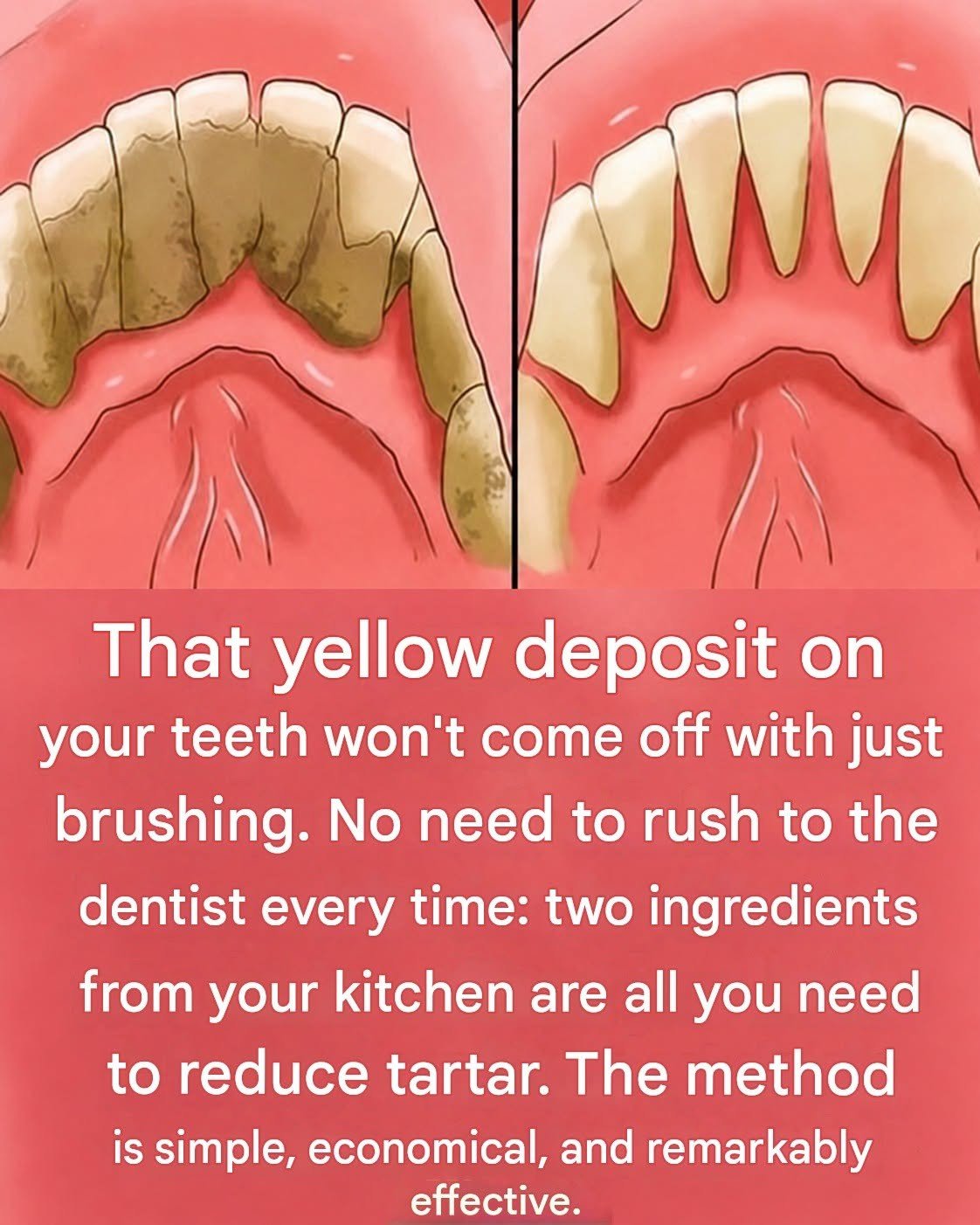
While the desire to keep your smile bright and free of buildup between dental visits is completely understandable, the idea of being “your own dentist” when it comes to removing tartar is medically risky and strongly advised against by dental professionals.
To understand why DIY tartar removal is dangerous, it helps to look at the difference between plaque and tartar, and why safe removal requires professional tools and training.
Plaque vs. Tartar: Why DIY Removal Fails
-
Dental Plaque: A soft, sticky, colorless film of bacteria that constantly forms on your teeth. Plaque can and should be removed daily at home through thorough brushing and flossing.
-
Dental Tartar (Calculus): When plaque is left on the teeth for more than 24 to 72 hours, it reacts with the minerals in your saliva and calcifies (hardens) into tartar.
-
The Hard Reality: Once plaque hardens into tartar, it bonds aggressively to the tooth enamel with the strength of concrete. It cannot be scraped, brushed, or flossed away at home.
The Dangers of DIY Tartar Removal Tools
You will find metal dental picks, scalers, and scraping kits widely sold online, but using them at home poses serious risks to your oral health:
-
Damaging Your Enamel: Metal dental scalers are razor-sharp. When used without professional training and a dental mirror, it is extremely easy to gouge, scratch, or crack your tooth enamel. Once enamel is scratched or destroyed, it does not grow back, leaving your teeth permanently more vulnerable to decay.
-
Cutting and Receding Gums: Slipping with a sharp metal tool can easily lacerate your delicate gum tissue, leading to bleeding, severe pain, and potential infection. Chronic trauma from improper scraping can also cause your gums to permanently recede, exposing sensitive tooth roots.
-
Driving Bacteria Deeper: Instead of removing tartar, amateur scraping often just chips off the top layer while pushing subgingival tartar (tartar hidden beneath the gumline) deeper into the periodontal pockets. This introduces bacteria directly into the bloodstream and triggers severe gum inflammation (gingivitis or periodontitis).
Safe At-Home Habits to Prevent Tartar Buildup
While you cannot remove existing tartar at home, you can take powerful steps to prevent new plaque from hardening into tartar:
-
Upgrade to an Electric Toothbrush: Clinical studies consistently show that sonic or oscillating electric toothbrushes remove significantly more plaque than manual brushing.
-
Master Interdental Cleaning: Tartar loves to form between teeth where bristles cannot reach. Daily flossing or using water flossers breaks up plaque before it can calcify.
-
Use Tartar-Control Toothpaste: Look for ADA-accepted toothpastes containing pyrophosphates or zinc citrate, which help inhibit the mineralization of plaque into tartar.
-
Chew Sugar-Free Gum with Xylitol: Xylitol stimulates saliva production. Saliva is your mouth’s natural defense mechanism—it washes away food particles, neutralizes acids, and contains minerals that protect enamel.
The Bottom Line
If you have noticeable tartar buildup (often visible as a yellow, brown, or chalky crust near the gumline or behind your lower front teeth), the only safe and effective way to remove it is to visit a dental hygienist or dentist. They use specialized ultrasonic scalers and professional instruments designed to shatter tartar safely without harming your enamel or gums.
