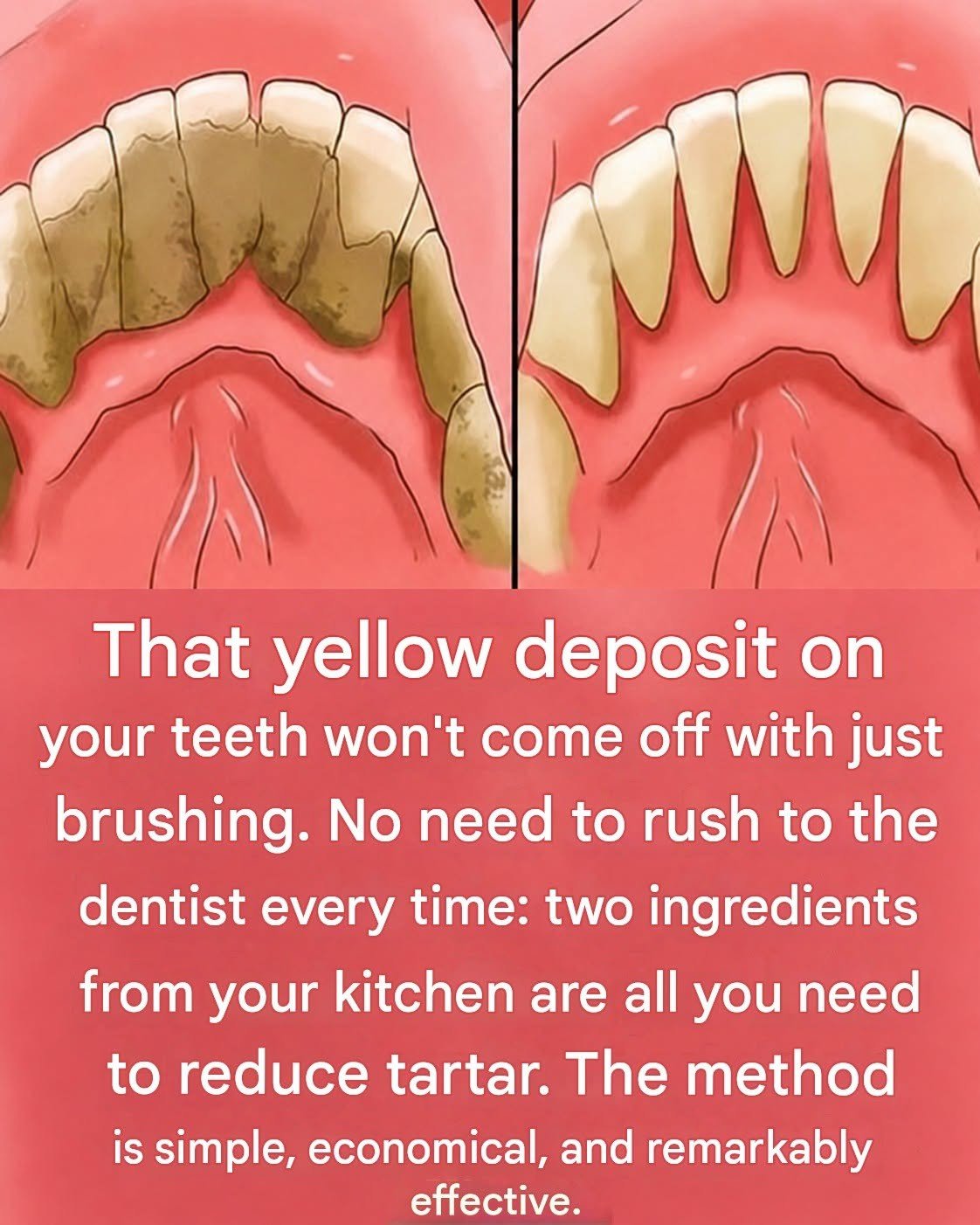
When dental and wellness clickbait flashes headlines like “Be your own dentist! Here are some tips for removing tartar buildup at home,” they love to package a dangerous do-it-yourself premise as an empowering financial shortcut. They want you to believe that you can safely scrape away hardened dental deposits in your bathroom mirror using metal tools, acidic kitchen concoctions, or abrasive powders.
From a clinical dentistry, periodontal science, and oral hygiene perspective, attempting to remove tartar at home is not only ineffective—it is actively hazardous to your dental health. Understanding the difference between plaque and tartar explains why professional intervention is irreplaceable.
The Reality Behind Plaque, Tartar, and Home “Scraping”
What is tartar, and why can’t it be safely removed in your bathroom?
-
Plaque vs. Tartar (Calculus):
-
Dental Plaque: A soft, sticky, colorless biofilm composed of bacteria, food particles, and saliva that constantly forms on your teeth. Plaque can—and should—be removed daily through regular brushing and flossing.
-
Tartar (Calculus): If plaque is left unremoved, minerals in your saliva chemically bind to it and calcify (harden) within 24 to 72 hours. Once plaque hardens into tartar, it becomes a cement-like, porous shell bonded tightly to your tooth enamel.
-
-
The Danger of DIY Dental Tools: Using metal picks, scrapers, or makeshift instruments at home without proper training, visibility, or sterile technique almost always results in lacerating your delicate gum tissue, scratching your tooth enamel, or fracturing the root structure.
-
The Damage of Abrasive DIY Remedies: Clickbait often suggests scrubbing teeth with baking soda, hydrogen peroxide, lemon juice, or vinegar. Acidic solutions strip your protective enamel, while harsh abrasives wear down the tooth surface, drastically increasing sensitivity and vulnerability to decay.
What Actually Happens Beneath the Gumline
Tartar is not just a cosmetic blemish; it poses a serious threat to your periodontal health:
-
Bacterial Breeding Ground: Tartar’s rough, porous surface provides an ideal, protected sanctuary for pathogenic bacteria to multiply unchecked right against your gums.
-
Gingivitis and Periodontitis: The continuous bacterial toxins irritate the gum tissue, leading to inflammation (gingivitis), bleeding gums, and eventually advanced gum disease (periodontitis), where the jawbone and supporting structures erode, potentially leading to tooth loss.
Evidence-Based Oral Hygiene and Professional Care
While you cannot safely remove hardened tartar at home, you have complete control over preventing its formation and maintaining pristine oral health:
-
1. Master Daily Mechanical Removal: Brush twice a day for two full minutes using a soft-bristled toothbrush (manual or electric) and fluoride toothpaste. Use a sweeping motion from the gumline to the chewing surface.
-
2. Never Skip Interdental Cleaning: Floss or use interdental brushes daily. Plaque accumulates primarily in the tight spaces between teeth where toothbrush bristles cannot reach—which is precisely where stubborn interproximal tartar forms.
-
3. Rely on Professional Scaling: Only a dental professional (dentist or registered dental hygienist) using specialized ultrasonic scalers and curettes can safely fracture and remove hardened calculus without damaging your enamel or gums.
