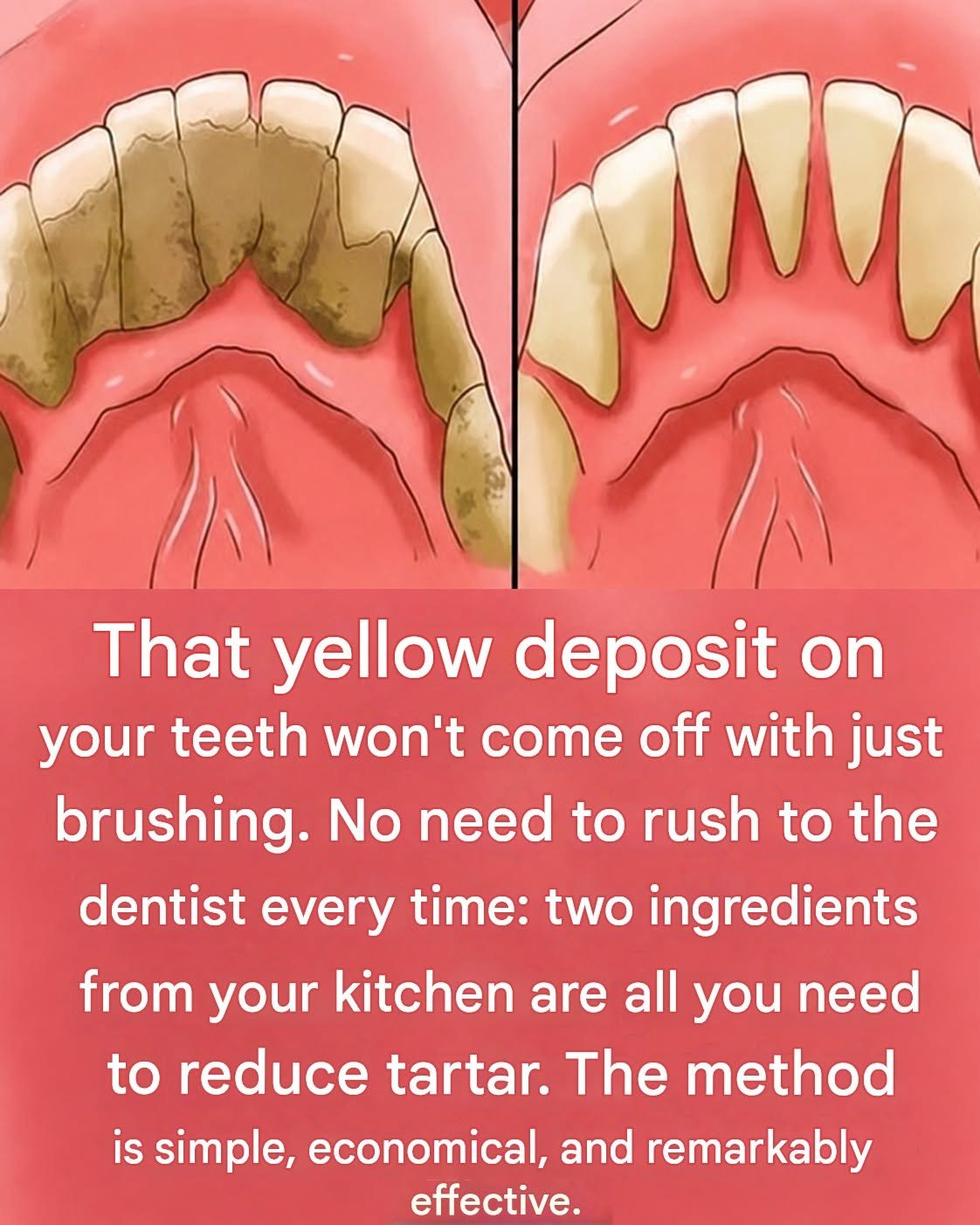
While the idea of skipping the dental clinic and becoming your own dentist sounds appealing, dental professionals universally and strongly advise against trying to scrape or remove hardened tartar at home.
Once dental plaque hardens into tartar (calculus), it chemically bonds to the tooth enamel and cannot be safely brushed, flossed, or scraped away by hand.
Why DIY Tartar Removal Is Dangerous
Attempting to use metal dental picks, scrapers, or viral DIY hacks (like harsh acid rinses or baking soda scrubs) to remove tartar can lead to serious oral health complications:
-
Permanent Enamel Damage: Scraping with hard metal instruments easily scratches, chips, or gouges tooth enamel. Once enamel is lost, it does not grow back, leaving teeth permanently more vulnerable to decay and sensitivity.
-
Severe Gum Trauma: Slipping with a sharp tool can easily slice or lacerate delicate gum tissue, causing painful bleeding, inflammation, and an open gateway for bacteria to cause infections.
-
Pushing Bacteria Deeper: DIY scraping often fails to remove the entire deposit and can instead push plaque and bacteria below the gumline, triggering periodontal pockets and accelerated bone loss.
-
Irritating Gum Recession: Harsh abrasive home remedies or aggressive picking can cause gums to recede, exposing the sensitive roots of the teeth.
How to Manage and Prevent Tartar at Home
While you cannot remove existing tartar yourself, you can take powerful steps at home to stop soft plaque from hardening into tartar in the first place:
-
Upgrade to an Electric Toothbrush: Clinical studies consistently show that sonic or oscillating electric toothbrushes remove significantly more plaque than manual brushing, especially along the gumline.
-
Floss Daily Without Exception: Tartar loves to form in the tight spaces between teeth where toothbrush bristles cannot reach. Daily flossing disrupts plaque before mineralized saliva can turn it into calculus.
-
Target High-Risk Zones: The inner surfaces of your lower front teeth and the outer surfaces of your upper molars are closest to major salivary gland ducts, making them prime locations for rapid tartar buildup. Spend extra, careful time brushing these areas.
-
Use a Tartar-Control Toothpaste: Look for toothpastes containing pyrophosphates or zinc citrate, which help inhibit the mineralization of plaque into hard tartar.
-
Rinse with an Antiseptic Mouthwash: An antibacterial mouthwash helps reduce the overall bacterial load in your mouth, slowing down the formation of new plaque biofilm.
The only safe and effective way to eliminate existing tartar is to visit a dental hygienist or dentist, who uses professional ultrasonic scalers and specialized hand instruments to safely shatter and remove calculus without harming your teeth or gums.
