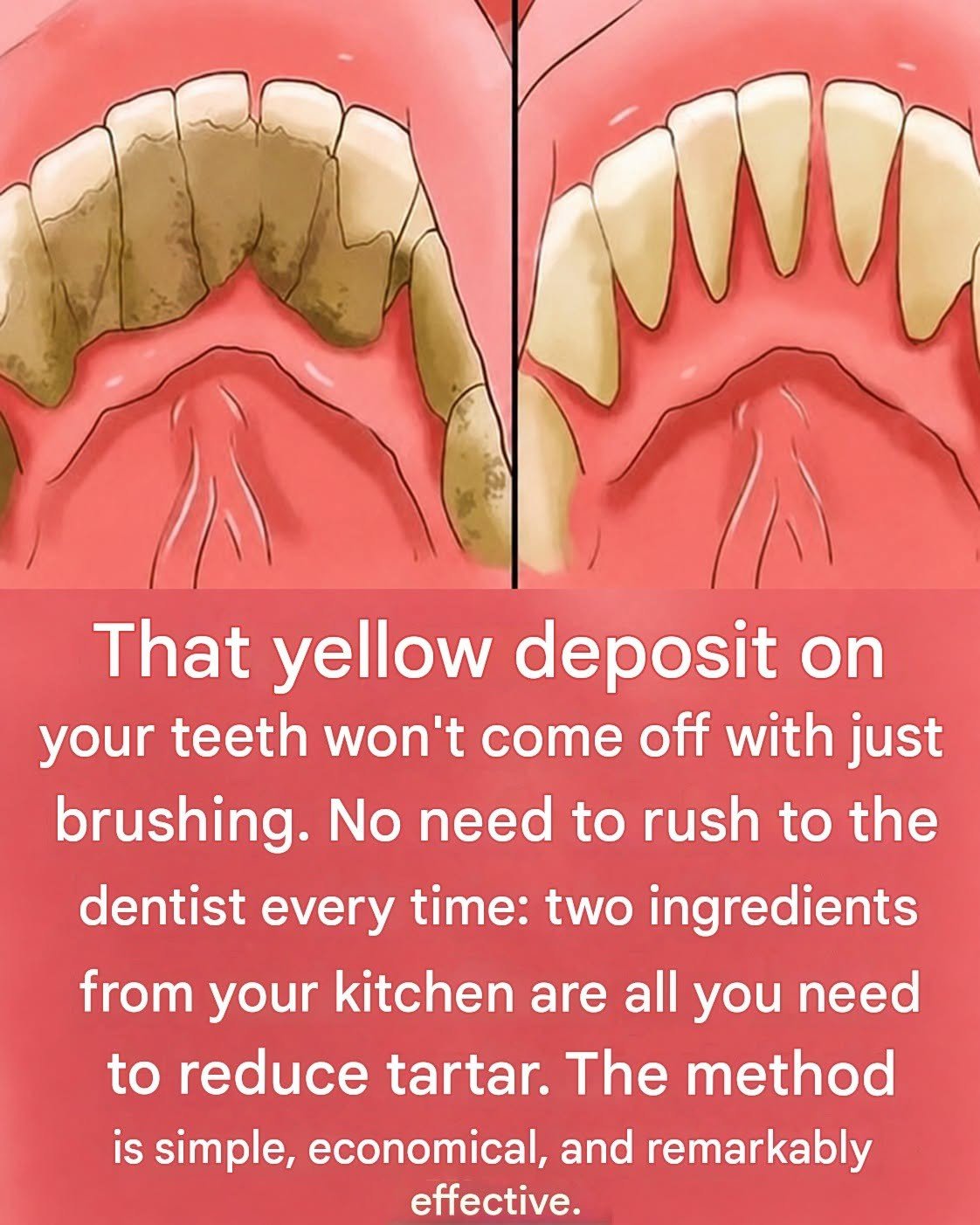
The idea of being your own dentist and scraping away hardened tartar at home might sound tempting, especially if you want to avoid a dental bill or dread the clinic chair. However, trying to remove tartar yourself is strongly discouraged by dental professionals because it carries a high risk of permanent damage to your teeth and gums.
Here is why at-home tartar removal is dangerous, followed by safe and effective ways you can manage plaque and maintain your oral health between dental visits.
Why Removing Tartar at Home Is Dangerous
Once plaque (the sticky bacterial film that forms on teeth) is left uncleaned, it mixes with minerals in your saliva and hardens into tartar (calculus) within 24 to 72 hours. Unlike soft plaque, tartar binds aggressively to tooth enamel and can only be safely removed with professional ultrasonic scalers and dental instruments.
Attempting to scrape or pick it off yourself at home with metal tools, pins, or makeshift instruments poses several severe risks:
-
Damaging Your Enamel: Metal scraping tools easily scratch and gouge tooth enamel. Once enamel is scratched or worn away, it never grows back, leaving your teeth more vulnerable to cavities and severe sensitivity.
-
Gouging and Receding Gums: Slipping with a sharp tool can easily slice or severely lacerate your delicate gum tissue. This can lead to permanent gum recession, exposing the sensitive roots of your teeth.
-
Pushing Bacteria Deeper: DIY scraping often pushes plaque and bacteria deeper beneath the gumline, triggering painful infections, abscesses, and advanced periodontal disease.
-
Introducing Infection: Household items are not sterile. Scraping your gums introduces bacteria directly into your bloodstream through micro-abrasions.
Safe Ways to Prevent Tartar Buildup at Home
While you cannot remove existing tartar at home, you can take powerful steps to stop new plaque from hardening into tartar and keep your gums healthy:
1. Master the Proper Brushing Technique
-
Brush at least twice a day for a full two minutes using a soft-bristled toothbrush (or an electric toothbrush, which is clinically proven to remove significantly more plaque).
-
Hold your brush at a 45-degree angle to your gumline, using gentle, circular motions rather than harsh back-and-forth scrubbing.
2. Never Skip Flossing
-
Plaque loves to hide between teeth where toothbrush bristles cannot reach. Flossing daily disrupts bacteria before it has a chance to mineralize into stubborn interdental tartar.
3. Use an Antiseptic or Tartar-Control Mouthwash
-
Swishing with an antimicrobial mouthwash helps kill remaining bacteria, while specialized tartar-control mouthwashes contain ingredients like pyrophosphates that help inhibit minerals from binding to plaque.
4. Chew Xylitol Gum
-
Chewing sugar-free gum sweetened with xylitol stimulates a rush of saliva, which naturally washes away food particles, neutralizes acids, and helps prevent plaque from hardening.
The Bottom Line
If you have noticeable tartar buildup (which typically appears as a yellow or brown crust near the gumline or between teeth), the only safe and effective solution is a professional cleaning by a dental hygienist. They have the specialized tools and training to clean your teeth thoroughly without harming your enamel or gums.
