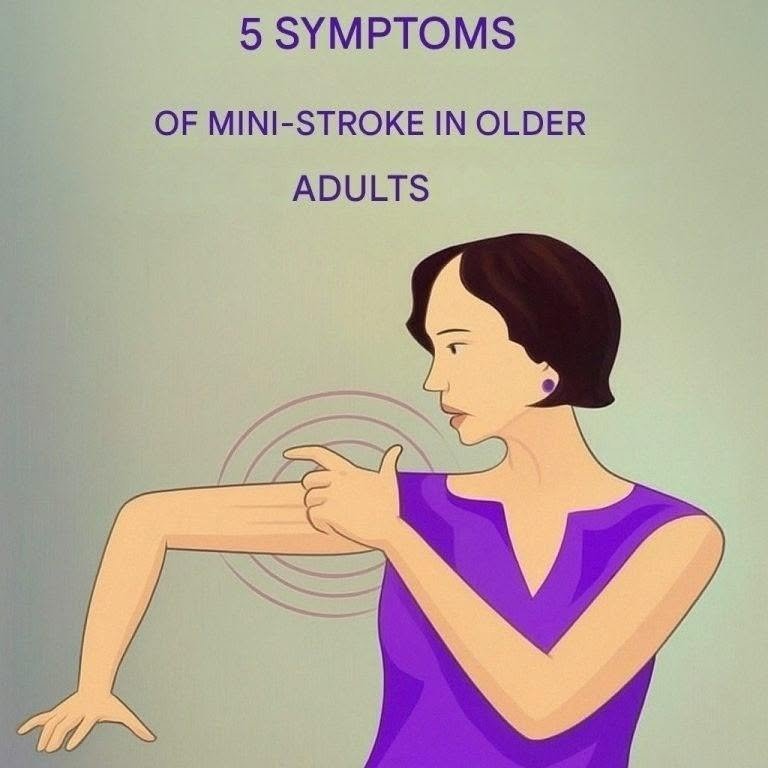
A mini-stroke—medically known as a Transient Ischemic Attack (TIA)—occurs when blood flow to a part of the brain is temporarily blocked. Unlike a major stroke, the blockage is brief, and the symptoms typically resolve within a few minutes to 24 hours without causing permanent brain damage.
However, a TIA is a critical medical warning sign. Up to a third of people who experience a TIA go on to have a major stroke, with the highest risk occurring within the first few days and weeks following the mini-stroke.
In older adults, TIA symptoms are frequently dismissed as normal signs of aging, fatigue, or dizziness. Recognizing these red flags immediately can save a life.
The B.E. F.A.S.T. Warning Signs
To quickly spot the primary signs of both a stroke and a mini-stroke, doctors recommend using the B.E. F.A.S.T. acronym:
1. B – Balance Loss (Sudden Dizziness or Incoordination)
-
What it looks like: A sudden, unexplained loss of balance, severe dizziness, stumbling, or an inability to walk straight.
-
Why it’s often ignored: Older adults often experience ordinary age-related balance shifts, inner-ear issues, or lightheadedness from standing up too quickly, leading families to brush it off.
2. E – Eyesight Changes (Sudden Vision Loss or Double Vision)
-
What it looks like: Sudden blurring or complete loss of vision in one or both eyes, or sudden double vision.
-
Why it’s often ignored: People frequently blame sudden vision changes on tired eyes, failing eyesight, or cataracts.
3. F – Face Drooping (One-Sided Weakness)
-
What it looks like: One side of the face suddenly droops or feels numb. When the person tries to smile, the smile is uneven.
-
Why it’s often ignored: Unless caught in a mirror, a mild facial droop might go unnoticed or be mistaken for temporary nerve pinching or dental numbness.
4. A – Arm Weakness (Inability to Raise Both Arms Evenly)
-
What it looks like: Sudden weakness, numbness, or heaviness in one arm or leg. If the person tries to raise both arms overhead, one drifts downward.
-
Why it’s often ignored: Attributed to arthritis, muscle stiffness, or “sleeping on the arm wrong.”
5. S – Speech Difficulty (Slurred Speech or Confusion)
-
What it looks like: Slurred words, difficulty speaking, trouble understanding speech, or sudden mental confusion and jumbled sentences.
-
Why it’s often ignored: Mistaken for ordinary fatigue, senior “brain fog,” or waking up groggy from a nap.
The 5th Critical Sign: The “Sudden, Severe Thunderclap Headache”
While B.E. F.A.S.T. covers the classic neurological deficits, a fifth vital sign specific to vascular events is:
6. Sudden, Unexplained “Thunderclap” Headache
-
What it looks like: A severe, blinding headache that hits with absolute maximum intensity out of nowhere, often described as “the worst headache of my life,” sometimes accompanied by sudden vomiting or stiff neck.
-
Why it’s often ignored: Dismissed as a routine tension headache or migraine, even by individuals who rarely get headaches.
Why You Must Call 911 Immediately (Even If Symptoms Disappear)
Because TIA symptoms vanish quickly, many older adults refuse to go to the hospital, insisting “I’m fine now.” This is a dangerous mistake.
You cannot tell the difference between a TIA and a major stroke while it is happening. A TIA is your body’s final warning alarm. Immediate medical evaluation in an emergency room allows doctors to run imaging scans, identify the source of the blockage, and start preventative treatments (such as blood thinners or cholesterol management) to prevent a catastrophic stroke.
