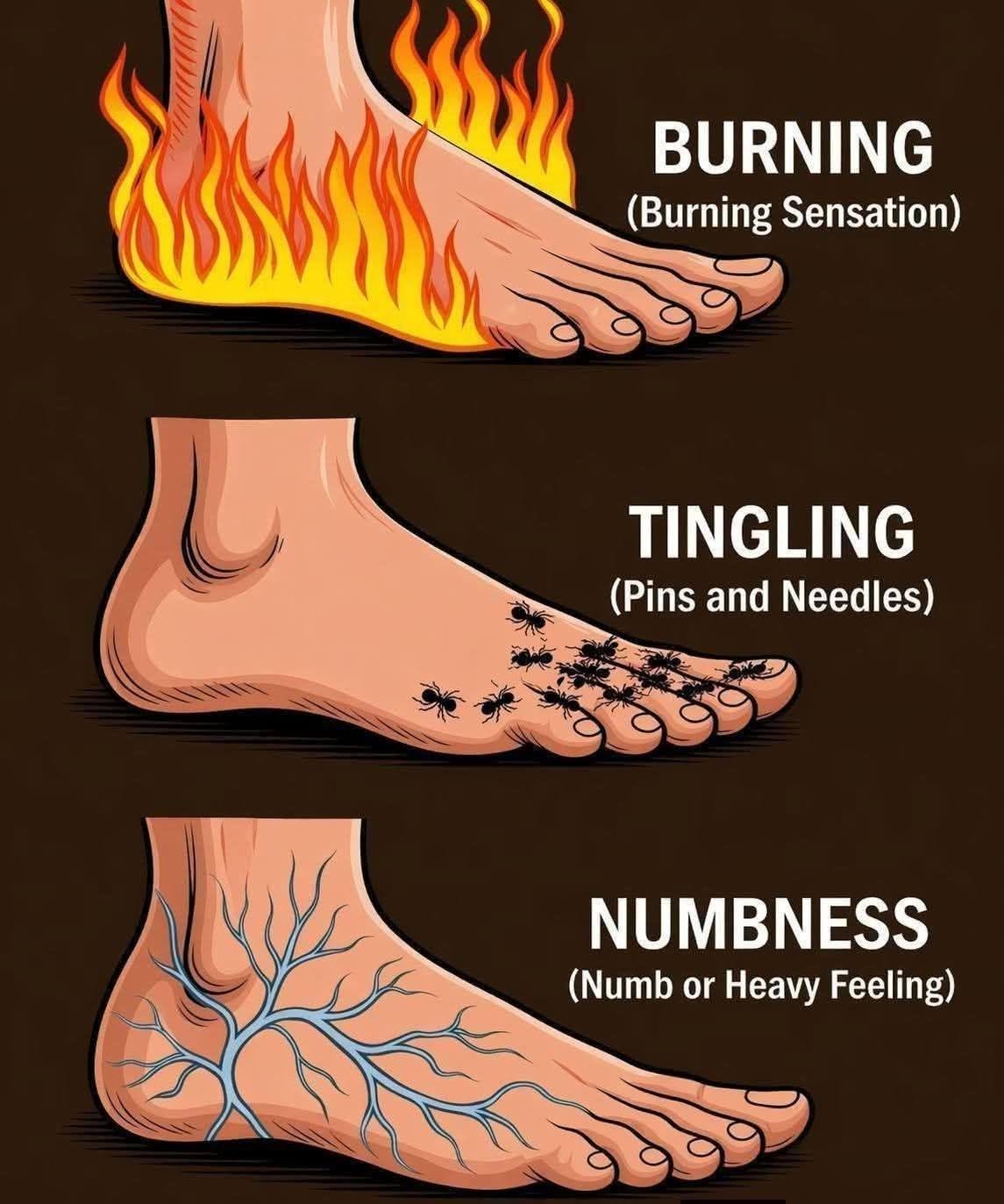
When sensationalized health articles discuss burning, numbness, and tingling in the feet, they often use dramatic language to suggest an immediate, catastrophic diagnosis. While these sensations—collectively known as paresthesia—can certainly signal underlying health issues that require clinical attention, understanding the specific mechanisms helps replace internet panic with clear medical insight.
Let’s cut through the hyperbole and examine what clinical science identifies as the primary causes of burning, numbness, and tingling in the feet, along with when to seek professional evaluation.
Understanding the Sensations: What Do They Mean?
The nervous system in your feet relies on a vast network of peripheral nerves to transmit signals regarding temperature, touch, and pain back to the spinal cord and brain. When these nerves are compressed, inflamed, or starved of oxygen and nutrients, they misfire—generating phantom feelings of pins and needles (tingling), loss of sensation (numbness), or fiery heat (burning).
Clinically, these symptoms usually point to one of several common categories:
Top Clinical Causes of Foot Paresthesia
1. Peripheral Neuropathy (Most Common)
-
What It Is: Damage to the peripheral nerves outside the brain and spinal cord.
-
Key Drivers: Type 2 diabetes is the leading cause of peripheral neuropathy; chronically elevated blood sugar damages the small blood vessels that nourish nerves. Vitamin deficiencies (especially Vitamin B12), chronic alcohol use, and certain medications can also trigger neuropathy.
-
The Clinical Sign: Often starts symmetrically in both feet, gradually creeping upward like wearing an invisible pair of stockings, characterized by numbness and a persistent burning sensation (particularly at night).
2. Nerve Compression Syndromes (Entrapment)
-
What It Is: A specific nerve being squeezed or trapped along its pathway into the foot.
-
Key Examples:
-
Tarsal Tunnel Syndrome: Compression of the posterior tibial nerve as it passes through the ankle tunnel, causing burning, pain, and tingling on the sole of the foot.
-
Sciatica: Compression of the sciatic nerve in the lower back (often due to a herniated disc or spinal stenosis) that radiates down the leg and into the foot, causing sharp tingling or numbness.
-
3. Poor Circulation (Peripheral Artery Disease – PAD)
-
What It Is: Reduced blood flow to the lower extremities due to atherosclerotic plaque buildup in the leg arteries.
-
The Clinical Sign: When tissues are starved of oxygenated blood, nerves begin to malfunction. This is often accompanied by cold feet, cramping during walking (claudication), and slow-healing sores.
4. Foot Mechanics and Structural Issues
-
What It Is: Conditions like Plantar Fasciitis or severe flat feet can place abnormal mechanical stress on surrounding nerves and soft tissues, occasionally producing localized tingling or aching numbness after long periods of standing.
Red Flag Symptoms: When to Seek Urgent Medical Care
While mild, transient tingling (like when your foot “falls asleep”) is harmless and resolves quickly, persistent or worsening foot paresthesia warrants a proper diagnostic workup. Seek prompt medical evaluation if you experience:
-
Sudden, Rapid Onset: Numbness or weakness that develops rapidly over hours or days.
-
Spreading Weakness: Difficulty lifting your foot (foot drop), tripping, or struggling to stand.
-
Open Sores or Infections: Especially critical for individuals with diabetes, as nerve damage can prevent you from feeling a cut or blister until it becomes a severe ulcer.
-
Loss of Bowel or Bladder Control: Accompanied by severe lower back and leg numbness (a medical emergency indicating cauda equina syndrome).
What a Clinical Workup Involves
If you consult a physician or neurologist for chronic foot symptoms, they will typically conduct:
-
Blood Work: To check for diabetes (HbA1c), Vitamin B12 levels, thyroid function, and inflammatory markers.
-
Nerve Conduction Studies (NCS) / Electromyography (EMG): To test how fast and efficiently electrical signals travel through your nerves.
