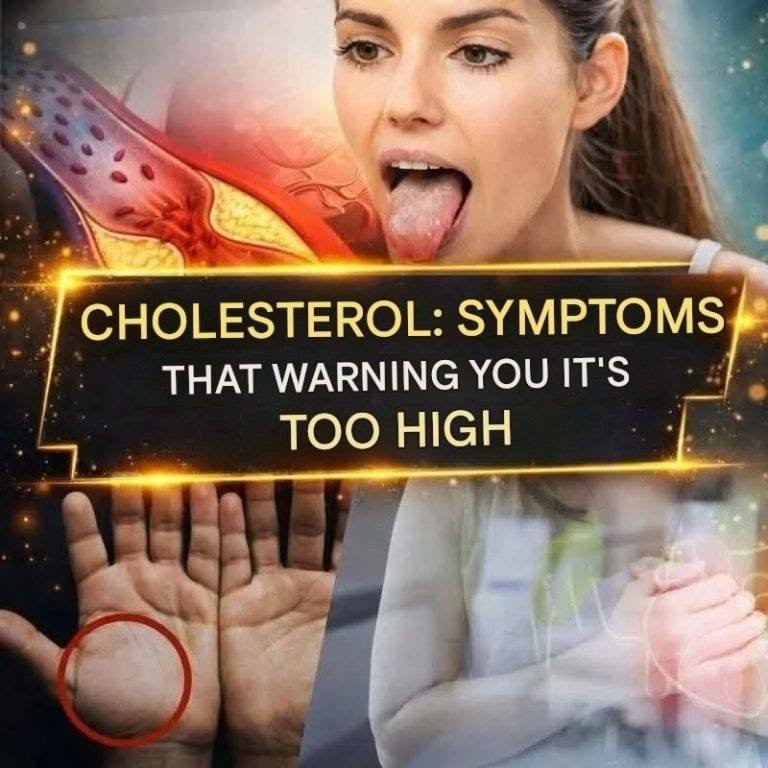
High cholesterol itself is often called a “silent killer” because elevated levels of low-density lipoprotein (LDL) cholesterol in your bloodstream rarely produce direct, noticeable symptoms on their own. Instead, the real warning signs usually appear indirectly—after high cholesterol has begun causing fatty plaque buildup inside your blood vessels (atherosclerosis), restricting vital blood flow to your heart, brain, and extremities.
Here are 5 critical warning symptoms that suggest your cholesterol levels may be dangerously high:
1. Cramping or Pain in the Legs and Feet (Peripheral Artery Disease)
-
What it feels like: A painful, tight, or aching cramp in your calves, thighs, or buttocks that consistently occurs when walking or climbing stairs, but relaxes after a few minutes of rest.
-
Why high cholesterol causes it: When excess cholesterol builds up inside the peripheral arteries supplying blood to your lower limbs, it narrows the vessels. During physical activity, your leg muscles demand more oxygenated blood than the narrowed arteries can deliver, causing painful tissue ischemia.
2. Yellowish Skin Deposits Near the Eyes or Joints (Xanthomas & Xanthelasma)
-
What it looks like: Soft, yellowish bumps or raised patches appearing on the skin, most commonly around the inner corners of the eyelids (xanthelasma), or over knuckles, knees, and elbows (xanthomas).
-
Why high cholesterol causes it: When cholesterol levels in the blood remain severely elevated over time—often due to genetic conditions like Familial Hypercholesterolemia—the body deposits physical clusters of excess cholesterol esters directly into the skin, dermal tissues, and tendons.
3. A Pale Ring Around the Cornea of the Eye (Arcus Senilis)
-
What it looks like: A light gray, white, or pale blue ring forming around the outer edge of the cornea (the clear surface over the colored part of your eye).
-
Why high cholesterol causes it: This ring is caused by cholesterol and lipid deposits settling into the corneal tissue. While common in older adults, if an arcus senilis appears in individuals under the age of 45–50, it is a strong indicator of underlying severe hypercholesterolemia.
4. Chest Pressure or Tightness During Exertion (Angina)
-
What it feels like: A heavy, squeezing, or pressing discomfort in the center of the chest when engaging in exercise, walking uphill, or experiencing high stress.
-
Why high cholesterol causes it: Plaque buildup driven by high LDL cholesterol narrows the coronary arteries supplying the heart muscle. When heart demand increases during activity, the restricted blood flow prevents adequate oxygen delivery, sending off pain signals.
5. Chronically Numb or Cold Feet and Toes
-
What it feels like: Feeling a persistent chill, “pins and needles,” or numbness in your lower legs and feet, even when you are in a warm environment.
-
Why high cholesterol causes it: Severely restricted microvascular circulation in the extremities—caused by arterial plaque deposits—prevents blood and body heat from reaching the outer tissues, leading to nerve paresthesia and localized coldness.
The Importance of Routine Blood Testing
Because high cholesterol causes irreversible vascular damage long before these physical symptoms emerge, relying on physical warning signs alone is risky. The only definitive way to monitor your cholesterol is through a routine lipid panel blood test during your annual health checkup.
