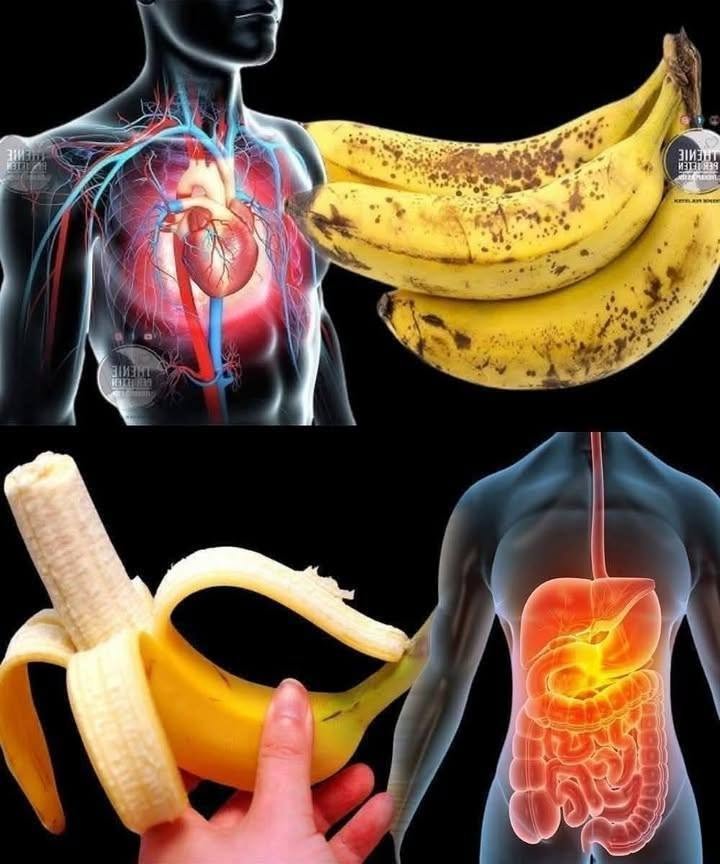
The Multifaceted Impact of Bananas on Human Health and Physiology
When examining the completion of the sentence regarding what eating bananas increases, nutritional science, biochemistry, and physiology reveal a rich tapestry of biological responses. Bananas are one of the most widely consumed fruits globally, celebrated not only for their convenience and natural packaging but also for their dense, bioactive nutrient profile. Rather than resulting in a single isolated effect, consuming a banana triggers a cascade of physiological processes that enhance various markers of health, energy metabolism, and neurological function.
A thorough exploration of what eating bananas increases illuminates the intricate ways whole foods interact with the human body, bridging the gap between everyday diet and complex cellular mechanisms.
1. Increases Cellular and Athletic Energy via Bioavailable Carbohydrates
One of the most immediate and pronounced physiological effects of consuming a banana is the rapid elevation of readily accessible physical and mental energy.
-
The Carbohydrate Matrix: Bananas are rich in complex carbohydrates that undergo a systematic enzymatic breakdown during digestion. As a banana ripens, its starches convert into simple sugars—glucose, fructose, and sucrose. This dual-action composition provides both an immediate surge of glucose for rapid cellular uptake and sustained energy as the slightly more complex starches are metabolized.
-
Glycogen Replenishment: For active individuals and athletes, eating a banana significantly increases muscle and liver glycogen stores. Glycogen is the primary fuel source utilized by skeletal muscles during high-intensity exercise. Because bananas are easily digestible and low in fat, they do not burden the gastrointestinal tract, making them an ideal pre- or post-workout fuel source that optimizes physical endurance and delays muscular fatigue.
2. Increases Potassium Levels and Electrolyte Balance
When health professionals discuss bananas, potassium is almost always the focal point—and for good reason.
-
Cardiovascular and Muscular Regulation: A medium-sized banana provides roughly 400 to 450 milligrams of potassium, an essential mineral and electrolyte. Consuming a banana directly increases circulating serum potassium levels, which plays a pivotal role in maintaining the electrical gradient across cell membranes. This mineral is vital for regulating heart rhythms, conducting nerve impulses, and facilitating proper skeletal and smooth muscle contraction.
-
Sodium Counter-Regulation: Potassium works in direct physiological opposition to sodium. By increasing potassium intake, the body is better equipped to manage fluid balance and blood pressure. Adequate potassium promotes natriuresis—the excretion of excess sodium through the kidneys—which helps relax the walls of blood vessels, thereby reducing vascular resistance and supporting overall cardiovascular health. Furthermore, optimal electrolyte balance significantly reduces the incidence of painful nocturnal muscle cramps and spasms.
3. Increases Serotonin Production and Mood Regulation
Beyond physical energy and electrolyte balance, bananas exert a profound influence on neurochemistry and psychological well-being.
-
The Tryptophan-Serotonin Pathway: Bananas contain tryptophan, an essential amino acid that the human body cannot synthesize on its own. Once ingested, tryptophan crosses the blood-brain barrier, where it serves as a direct biochemical precursor to serotonin—often referred to as the body’s natural “feel-good” neurotransmitter. Elevated serotonin levels are associated with improved mood, reduced anxiety, and enhanced emotional stability.
-
Vitamin B6 and Neurotransmitter Synthesis: Furthermore, bananas are an exceptional source of Vitamin B6 (pyridoxine). Vitamin B6 acts as a crucial coenzyme in the enzymatic conversion of tryptophan into serotonin, as well as the synthesis of other vital neurotransmitters such as dopamine and gamma-aminobutyric acid (GABA). By supplying both the precursor amino acid and the catalytic vitamin, consuming bananas actively supports cognitive resilience and neurological health.
4. Increases Dietary Fiber and Gastrointestinal Motility
Digestive health is profoundly impacted by the regular inclusion of bananas in the diet, largely due to their unique fiber architecture.
-
Soluble Fiber and Pectin: Bananas contain significant amounts of dietary fiber, specifically pectin. Pectin is a type of soluble fiber that helps normalize bowel motility, softening stools and facilitating smoother transit through the colon. As pectin ferments in the large intestine, it produces short-chain fatty acids that nourish the mucosal lining of the gut and support systemic metabolic health.
-
Prebiotic Properties (Resistant Starch): Unripe or slightly green bananas are particularly rich in resistant starch. Unlike standard digestible starches, resistant starch resists enzymatic breakdown in the small intestine, traveling intact to the colon where it acts as a powerful prebiotic. This means it selectively feeds beneficial gut bacteria (probiotics), thereby increasing microbial diversity, strengthening the gut microbiome, and enhancing immune function. Paradoxically, while ripe bananas help soothe an irritated digestive tract through soluble fiber, unripe bananas actively cultivate a thriving, resilient internal microbiome.
5. Increases Antioxidant Defense and Cellular Protection
Though often overlooked in favor of berries or citrus fruits, bananas are potent powerhouses of cellular protection.
-
Bioactive Phytochemicals: Bananas contain a diverse array of antioxidant compounds, including phenolic amines and various flavonoids. When consumed, these compounds help increase the body’s overall antioxidant capacity, neutralizing unstable free radicals that cause oxidative stress and cellular aging.
-
Combating Chronic Inflammation: By mitigating oxidative damage at the cellular level, the regular intake of these protective phytochemicals helps suppress systemic inflammation, lowering the long-term risk profile associated with metabolic syndrome, cardiovascular decline, and degenerative cellular processes.
Summary of Physiological Enhancements
| Physiological Marker | Primary Mechanism | Health Benefit |
| Blood Glucose & Energy | Conversion of starches to glucose and fructose | Rapid physical energy and glycogen restoration |
| Serum Potassium | High electrolyte concentration | Blood pressure regulation and muscle contraction |
| Serotonin & B6 | Tryptophan supply combined with pyridoxine coenzymes | Mood enhancement and neurological support |
| Gastrointestinal Health | Pectin and resistant starch delivery | Regular bowel motility and prebiotic microbiome nourishment |
| Antioxidant Capacity | Phenolic compounds and flavonoids | Cellular protection and reduction of oxidative stress |
Ultimately, eating bananas increases far more than just a fleeting sense of fullness; it systematically elevates systemic vitality by optimizing energy pathways, balancing vital electrolytes, supporting neurochemical harmony, and fortifying the digestive and cellular landscapes of the human body.
