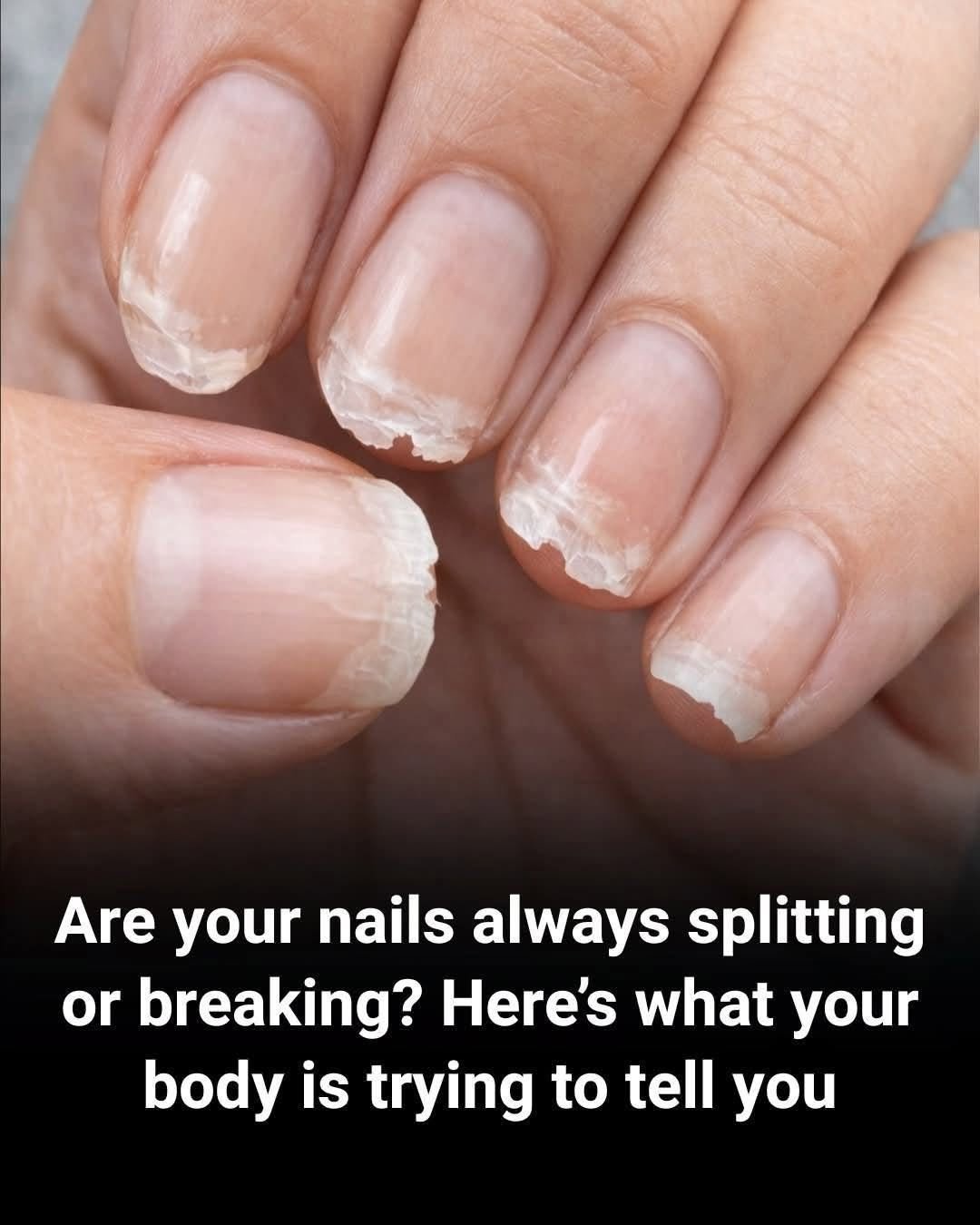
Health headlines and beauty blogs love posing dramatic questions like, “Weak or Brittle Nails: What Your Body Is Trying to Tell You.” They often imply that peeling, splitting, or soft nails are a direct, secret alarm bell for severe vitamin deficiencies or mysterious internal diseases.
Dermatologists and medical professionals take a much more practical approach: while your nails can offer clues about your overall health, the vast majority of weak or brittle nail issues are caused by external environmental factors rather than internal medical crises.
External vs. Internal Causes: The Golden Rule
A simple way to look at nail health is to check where the problem is happening:
-
If only your fingernails are brittle or peeling: The culprit is almost always external. Frequent handwashing, harsh dish soaps, cleaning chemicals, constant exposure to water, or acetone-based nail polish removers strip the natural oils and moisture right out of the keratin plates.
-
If both your fingernails AND toenails are brittle: That is when dermatologists look closer at internal factors, such as systemic nutritional status, circulation, or thyroid function.
What Your Nails Might Actually Be Telling You
When internal factors are at play, dermatologists and general practitioners look at a few common, evidence-based possibilities:
1. Iron Deficiency (Anemia)
-
The Sign: Nails that become extremely thin, brittle, or take on a concave, “spoon-like” shape (clinically known as koilonychia).
-
The Reality: Iron is essential for carrying oxygen to your tissues. When iron stores drop low, fast-growing tissues like hair and nails are often the first to suffer. A simple routine blood test (CBC and ferritin) can easily confirm if iron is the issue.
2. Thyroid Imbalances (Hypothyroidism)
-
The Sign: Dry, brittle, slow-growing nails that crack or split easily, often accompanied by fatigue, dry skin, or feeling cold.
-
The Reality: Your thyroid controls your body’s metabolism and cellular turnover. When it’s underactive, everything slows down—including the growth and repair of your hair and nails.
3. Moisture and Dehydration Cycles
-
The Sign: Nails that peel horizontally in layers (onychoschizia).
-
The Reality: This is usually the result of your nails repeatedly going through the cycle of getting wet and drying out. Every time hands soak in water, the nails swell; as they dry, they shrink. This constant expansion and contraction weakens the bonds between the keratin layers, causing them to split apart.
Simple, Practical Ways to Strengthen Your Nails
If you are tired of dealing with splitting nails, you don’t necessarily need a cabinet full of expensive supplements. Real improvement usually comes down to protecting what’s already growing:
-
Wear Gloves for Wet Work: Pop on a pair of rubber or latex gloves whenever you are washing dishes, scrubbing the kitchen, or cleaning with harsh chemicals.
-
Moisturize Your Hands (and Nails): Treat your cuticles and nail beds to a heavy hand cream or ointment containing lanolin, shea butter, or alpha-hydroxy acids after washing your hands.
-
Ditch the Acetone: Switch to an acetone-free nail polish remover if you wear polish, as acetone aggressively strips natural moisture.
-
File in One Direction: Sawing back and forth with a rough nail file can fray the edges of the nail plate, leading to splits. File gently in one smooth direction instead.
The Medical Takeaway: Don’t panic over a broken nail or minor peeling—it’s usually just a sign that your hands need a little extra protection from water and harsh soaps. However, if your nails change dramatically, discolor, or detach, a quick chat with your doctor or dermatologist can rule out any underlying deficiencies.
Would you like some tips on supporting nail and skin health through everyday nutrition, or are you curious about another wellness topic?
