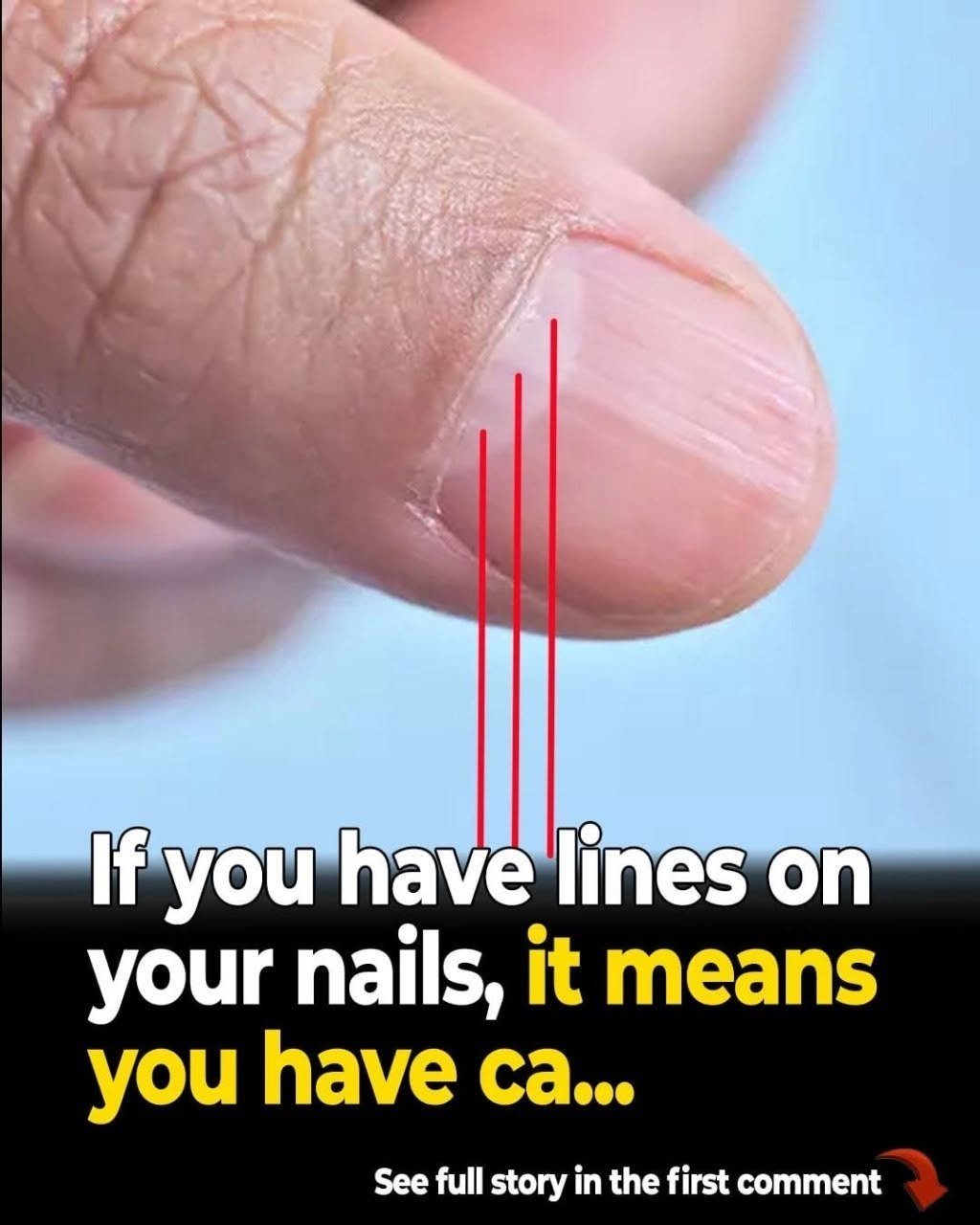
Sensationalist health headlines love using dramatic phrases like “A Telltale Sign In Your Fingernails That May Predict Your Life Expectancy” to hook readers with morbid curiosity. In clinical dermatology, internal medicine, and pulmonology, fingernails and toenails are indeed considered “windows to systemic health,” but doctors don’t use them to magically predict an exact lifespan—they look at them as visual diagnostic clues that reflect circulation, nutritional status, and underlying organ function.
What Doctors Actually Look For in Nail Changes
When clinical providers examine nails, they are checking for specific structural or color shifts that point to distinct physiological conditions:
-
Digital Clubbing (The Most Serious Indicator)
-
What it looks like: The tips of the fingers widen and bulge, and the nails curve downward steeply, resembling the shape of an upside-down spoon or a watch glass.
-
What it signifies: Clubbing is caused by tissue overgrowth due to low oxygen levels in the blood over time. It is classically associated with chronic pulmonary conditions (like COPD, lung cancer, or cystic fibrosis), severe cardiovascular disease, or chronic gastrointestinal disorders (like inflammatory bowel disease).
-
-
Koilonychia (“Spoon-Shaped” Nails)
-
What it looks like: Nails become thin, brittle, and concave, curving upward at the edges like a spoon.
-
What it signifies: Often a classic physical marker of iron-deficiency anemia, or occasionally chronic exposure to harsh chemicals or systemic stress.
-
-
Beau’s Lines (Horizontal Ridges or Grooves)
-
What it looks like: Deep horizontal indentations running across the width of the nail plate.
-
What it signifies: These occur when nail growth is temporarily interrupted by a severe systemic stressor—such as a high fever, major surgery, severe infection, or uncontrolled metabolic stress. Because nails grow slowly, the position of the line can even help estimate when the stressor occurred.
-
-
Discoloration and Spotting
-
White spots (Leukonychia): Usually harmless results of minor trauma to the nail bed (like bumping your finger), contrary to the old myth that they signal a calcium deficiency.
-
Dark streaks (Melanonychia): A dark vertical stripe under the nail can sometimes be a benign mole, but doctors monitor it carefully to rule out subungual melanoma (a serious form of skin cancer).
-
Yellow nails: Can indicate fungal infections, chronic lymphedema, or respiratory issues (such as “yellow nail syndrome”).
-
The Clinical Reality: Clues, Not Crystal Balls
While dramatic headlines frame nail signs as ticking clocks, medical professionals view them much more practically: nails are a barometer of systemic health. A structural change in your nails doesn’t determine your life expectancy on its own; rather, it acts as an early warning signal that prompts a physician to investigate underlying circulation, oxygenation, or nutritional status.
Are you looking at how to interpret specific skin or nail changes, or exploring routine wellness diagnostic markers?
