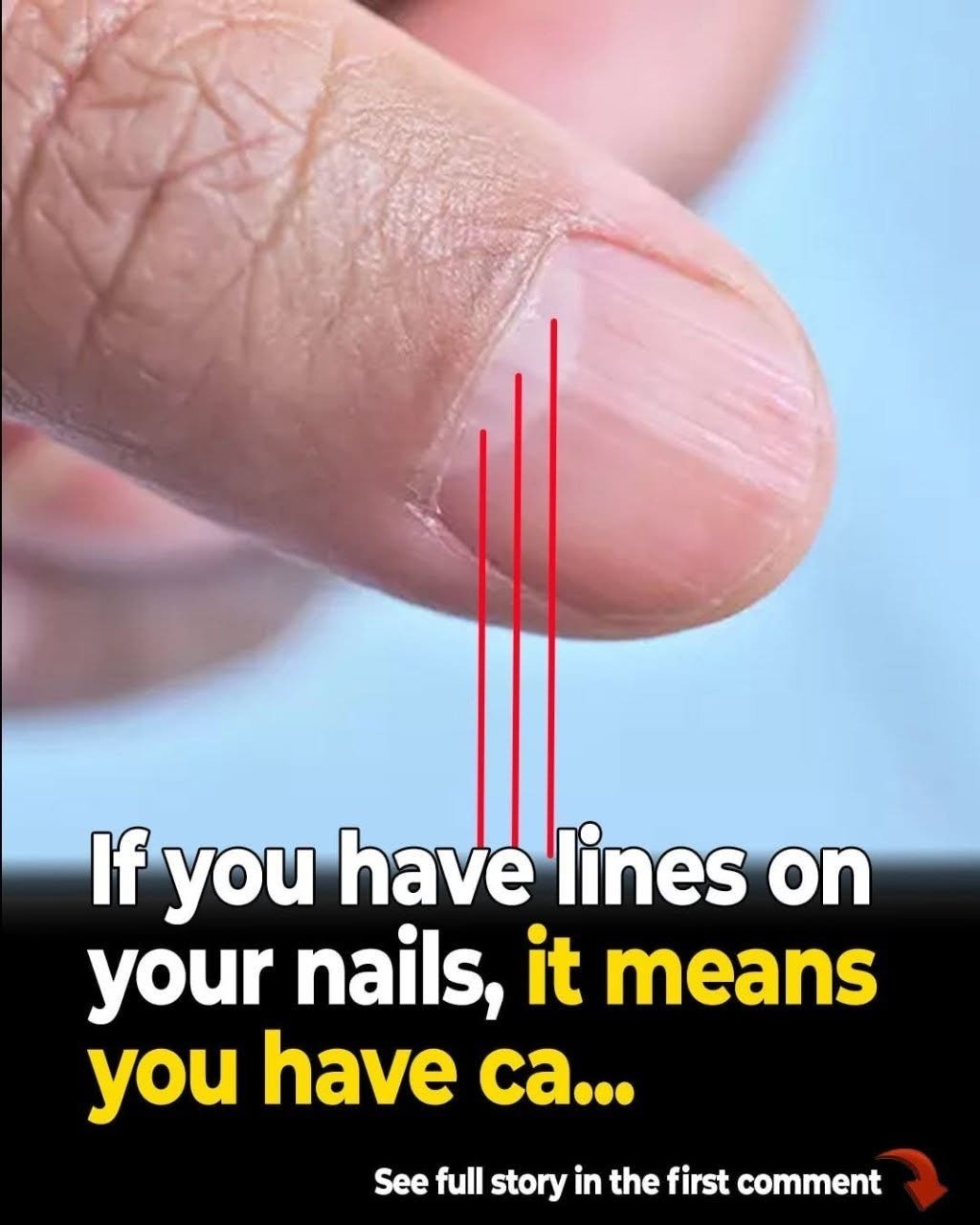
When dramatic health headlines tease a “telltale sign in your fingernails that may predict your life expectancy,” they are usually leveraging sensationalism to discuss a real, medically recognized sign known as digital clubbing.
While framing it as a mysterious “life expectancy predictor” sounds like clickbait doom-scouring, physicians and pulmonologists actually look at nail clubbing as an important physical clue that can point to underlying chronic conditions involving the lungs, heart, or gastrointestinal tract.
What Is Digital Clubbing?
Nail clubbing is not just a brittle nail or a normal ridge from aging. It is a distinct physical change in the structure of the fingers and toes that develops gradually over time. Key structural features include:
-
Bulging Fingertips: The ends of the fingers visibly swell or round out, making them look bulbous or drumstick-like.
-
Loss of the Nail Angle: Normally, where your cuticle meets your nail plate, there is a distinct, sharp little angle. In a clubbed finger, that angle disappears completely, and the nail bed becomes spongy or floating when pressed.
-
Severe Downward Curve: The nail curves downward sharply, resembling the shape of an upside-down spoon.
Why Does It Happen? (The Clinical Reality)
While the exact cellular mechanisms are still studied, medical research shows that clubbing is triggered by changes in blood flow and tissue oxygenation. When certain chronic conditions reduce oxygen levels in the blood or cause inflammation, proteins and growth factors (like platelet-derived growth factor) accumulate in the fingertips, causing tissue overgrowth and widening of the nail bed.
Physicians associate clubbing with several underlying medical categories:
-
Pulmonary Conditions: Conditions that chronically impact lung function or oxygen exchange—such as chronic obstructive pulmonary disease (COPD), pulmonary fibrosis, cystic fibrosis, or lung cancer—are the most common drivers of clubbing.
-
Cardiovascular Issues: Certain congenital heart defects or chronic heart infections can alter circulation enough to trigger finger changes.
-
Gastrointestinal Disorders: Inflammatory bowel disease (like Crohn’s disease or ulcerative colitis) and celiac disease are occasionally linked to clubbing.
The Schamroth Window Test (A Quick Self-Check)
Doctors often use a simple, non-invasive bedside evaluation called the Schamroth sign (or “Schamroth window test”) to check for clubbing:
-
How to do it: Bring the fingernails of your two index fingers together back-to-back, so the nail beds and cuticles touch.
-
What to look for: In a normal hand, you will see a tiny, diamond-shaped gap of light between the two nail beds where they meet at the cuticle.
-
The Clubbing Indicator: If that diamond-shaped window disappears completely and the nail beds flush flat against one another, it indicates a positive sign of clubbing.
When to Consult a Physician
If you notice your fingers or nails changing shape—especially if clubbing is accompanied by unexplained symptoms like a persistent cough, shortness of breath, fatigue, or chest discomfort—it is important to schedule an evaluation with your primary care physician or a pulmonologist.
Remember, nail clubbing is a symptom, not a diagnosis in itself, and identifying any underlying condition early allows for proper medical management and peace of mind.
Are you evaluating changes in your nails after reading health articles, or looking into specific signs of overall vitality and wellness?
