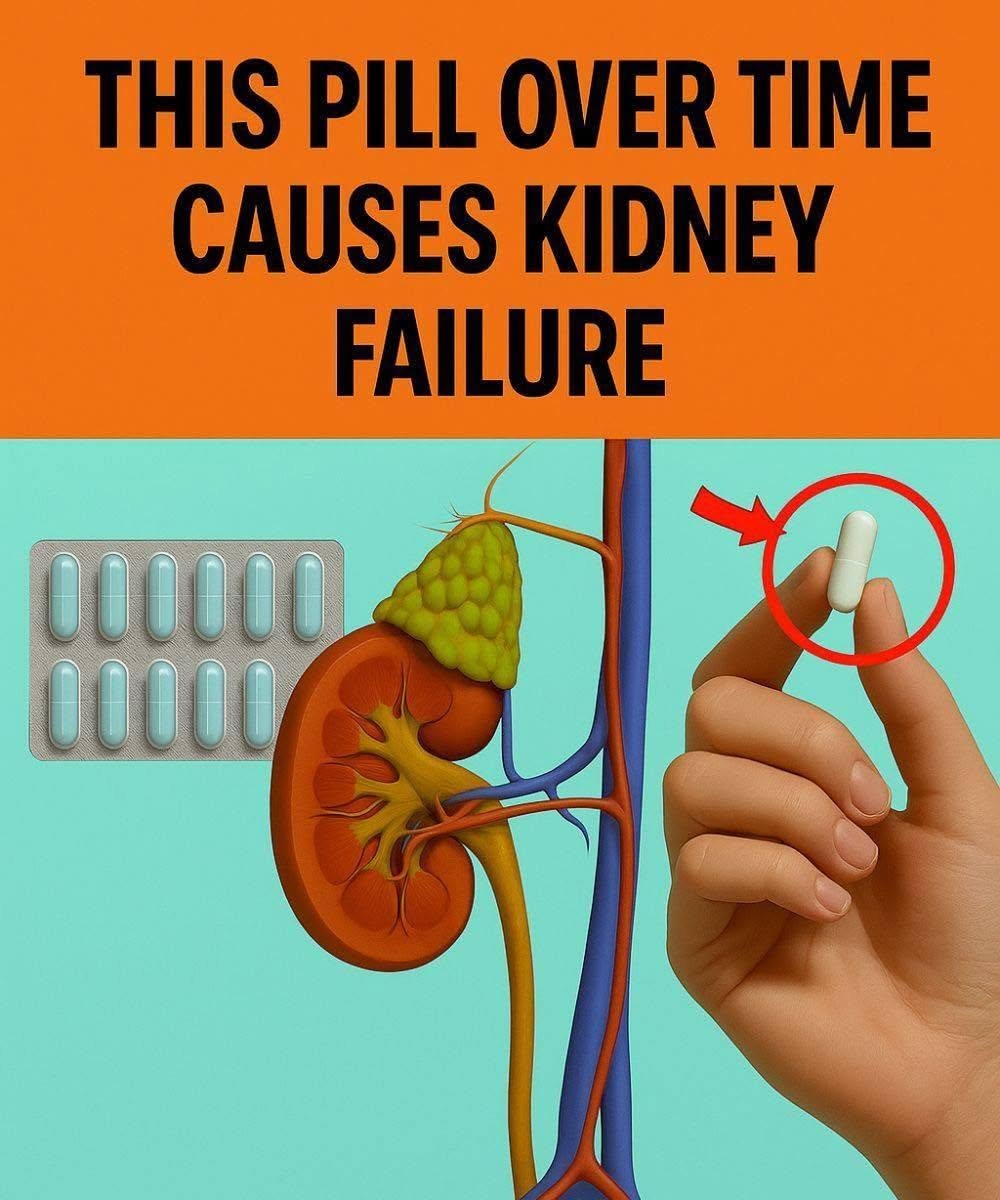
When health warnings boldly declare that “Taking this could be affecting your kidneys, consult your doctor!” they are almost always targeting medications or supplements that place a heavy filtration burden on renal function.
Nephrologists and clinical pharmacists frequently remind patients that the kidneys are our body’s master filtration system—clearing out metabolic waste, regulating blood pressure, and balancing vital electrolytes. Because they process everything we ingest, certain common over-the-counter (OTC) drugs and high-dose supplements can quietly stress them out over time.
The Usual Suspects: What Triggers Kidney Warnings?
When medical professionals look out for potential renal strain, a few specific categories consistently top the list:
1. Frequent, High-Dose NSAIDs (Non-Steroidal Anti-Inflammatory Drugs)
-
The Concern: Everyday pain relievers like ibuprofen, naproxen, and high-dose aspirin are among the most common culprits of kidney stress. They work by inhibiting chemicals called prostaglandins, which temporarily reduces blood flow to the kidneys. For healthy adults using them occasionally, this is easily managed. However, daily or chronic high-dose use—especially when combined with dehydration—can precipitate acute kidney injury or chronic renal wear-and-tear.
-
The Safe Alternative: For everyday aches, acetaminophen (Tylenol) is generally gentler on the kidneys (though it should be managed with respect for liver health), or non-pharmacological approaches like heat therapy, gentle stretching, and physical activity.
2. Proton Pump Inhibitors (PPIs) for Acid Reflux
-
The Concern: Long-term, unmonitored use of acid-suppressing drugs (like omeprazole or lansoprazole) has been linked in observational studies to an increased risk of chronic kidney disease and acute interstitial nephritis (an allergic-type inflammation in the kidneys).
-
The Strategy: While PPIs are life-changing for severe reflux or ulcers, relying on them indefinitely without periodic medical review is discouraged. Lifestyle adjustments—like managing silent reflux, adjusting evening meal times, and elevating the upper body—help reduce long-term medication dependency.
3. Unmonitored High-Dose Supplements and “Cleanses”
-
The Concern: Certain herbal products, extreme protein megadoses, or aggressive commercial “detox cleanses” can flood the bloodstream with compounds that the kidneys struggle to filter. Additionally, excessive use of certain mineral supplements (like heavy calcium or vitamin megadoses) can promote kidney stone formation or systemic imbalances.
-
The Strategy: Always let your physician or geriatrician review every supplement, vitamin, and herbal bottle you take to ensure your filtration markers (like creatinine and eGFR on routine blood panels) remain completely healthy.
Simple Ways to Protect Your Kidneys Every Day
-
Stay Well-Hydrated: Adequate water intake ensures your kidneys can easily flush metabolic waste without concentrating urine to a harsh degree.
-
Never Mix NSAIDs Recklessly: Avoid taking multiple different pain relievers at the same time, and always follow package dosing instructions.
-
Keep Up with Routine Check-ups: A simple annual blood test checking your creatinine and estimated glomerular filtration rate (eGFR) gives your doctor a clear, objective look at how efficiently your kidneys are functioning.
Are you evaluating a specific over-the-counter medication or supplement bottle in your medicine cabinet, or looking into routine kidney health maintenance?
