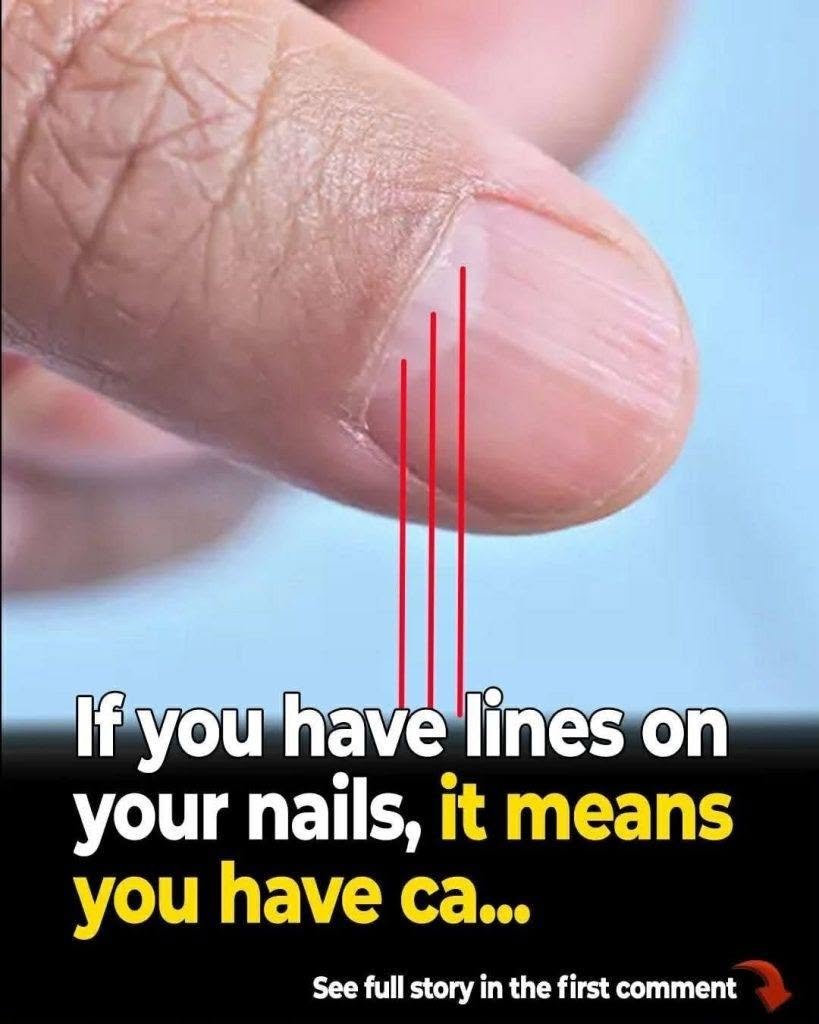
When sensationalized health clickbait flashes headlines like “Doctor Uncovers A Telltale Sign In Your Fingernails That May Predict Your Life Expectancy,” they rely on classic fear-mongering and medical sensationalism. They want you to believe that a harmless little white spot or a tiny ridge on your fingernail holds the mystical secret to how long you will live, turning your own hands into a source of anxiety.
From a clinical dermatology, internal medicine, and physiological perspective, your fingernails can offer valuable diagnostic clues about your overall health—acting as miniature windowpanes into your systemic well-being—but they do not predict your exact life expectancy. Understanding what nail changes actually signal cuts through the medical clickbait.
The Reality Behind Fingernails as Health Indicators
Why do physicians and dermatologists examine fingernails during routine physical exams?
-
The Nail Bed as a Metabolic Mirror: Nails are composed of keratin, produced by the nail matrix beneath your cuticle. Because nail growth is a continuous metabolic process that requires robust blood supply, oxygenation, and nutrient delivery, systemic illnesses, nutritional deficiencies, or circulatory issues can visibly disrupt nail formation.
-
Correlation vs. Direct Prediction: Noticing a specific nail anomaly doesn’t mean your lifespan is predetermined; rather, it often points to an underlying, treatable medical condition (such as iron deficiency, thyroid imbalances, or kidney function issues) that warrants clinical attention.
-
Common vs. Serious Variations: Many common nail marks—like tiny white spots (leukonychia)—are completely harmless results of minor, forgotten bumps to the nail matrix. However, consistent, structural changes across multiple nails deserve a professional look.
Telltale Nail Signs That Warrant Clinical Attention
Instead of predicting your life expectancy, clinical medicine looks for specific, persistent structural changes in the nails that reflect internal health:
-
1. Clubbing (Enlarged Fingertips and Curved Nails):
-
What it looks like: The tips of the fingers widen and bulge, and the nail curves downward, resembling the shape of an upside-down spoon.
-
Clinical significance: Clubbing is caused by chronic low blood oxygen levels. It is frequently associated with underlying pulmonary conditions (like chronic bronchitis, bronchiectasis, or lung disease) or cardiovascular issues.
-
-
2. Spoon Nails (Koilonychia):
-
What it looks like: Thin nails that become brittle and concave, scooped out enough to hold a drop of water.
-
Clinical significance: Most commonly linked to severe iron-deficiency anemia, hemochromatosis (iron overload), or chronic fatigue.
-
-
3. Terry’s Nails (Half-and-Half Appearance):
-
What it looks like: Most of the nail appears white, with a characteristic pink or reddish-brown band near the very tip.
-
Clinical significance: Often observed in individuals with underlying systemic conditions affecting liver or kidney function, or congestive heart failure.
-
-
4. Splinter Hemorrhages:
-
What it looks like: Tiny, reddish-brown vertical lines under the nails that look like small splinters.
-
Clinical significance: Can be caused by minor trauma, but if they appear across multiple fingers without injury, physicians investigate potential cardiovascular inflammation (such as infective endocarditis).
-
-
5. Beau’s Lines (Horizontal Ridges):
-
What it looks like: Deep grooves or indentations running horizontally across the nail.
-
Clinical significance: These represent a temporary pause in nail growth caused by severe physiological stress, major surgery, high fever, or severe nutritional shock weeks prior.
-
Evidence-Based Nail and Systemic Health Habits
Your fingernails reflect the baseline health of your entire body. To support strong nail growth and robust systemic vitality, focus on foundational wellness:
-
Prioritize Balanced Nutrition: Ensure adequate intake of bioavailable protein, iron, zinc, and biotin-rich foods (such as eggs, leafy greens, lean meats, and legumes) to support keratin production.
-
Protect Your Hands: Wear gloves when handling harsh chemical cleaners or washing dishes extensively, as repeated exposure to water and detergents strips the nail plate of its natural protective lipids, leading to peeling and brittleness.
-
Consult a Professional for Persistent Changes: If you notice sudden, unexplained structural shifts across multiple nails—such as deep pitting, severe discoloration, or clubbing—schedule an evaluation with a primary care physician or dermatologist rather than self-diagnosing online.
