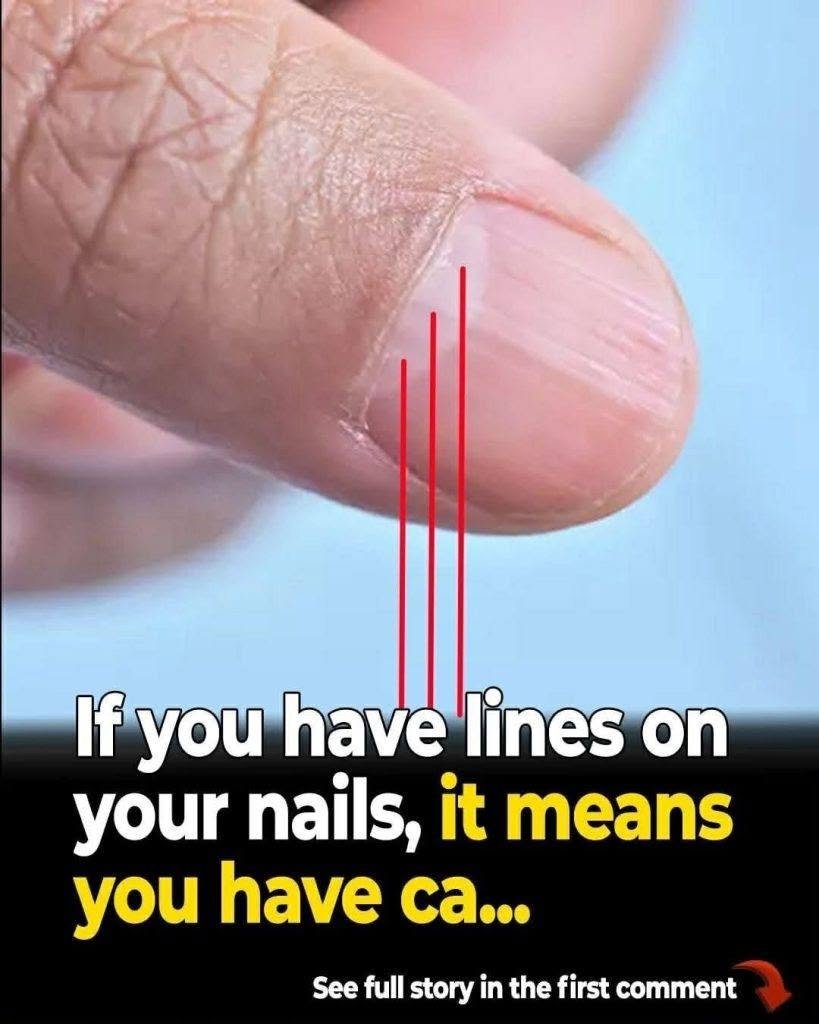
Headlines claiming that a “telltale sign in your fingernails can predict your life expectancy” take a minor biological observation and stretch it into dramatic, clickbait prophecy.
Typically rooted in commentary surrounding cellular aging and growth rates, these sensationalized articles turn basic physiology into a guessing game about your mortality. Understanding what your nails can—and cannot—tell you about your health helps separate medical reality from internet exaggeration.
Why “Fingernail Life Expectancy” Clickbait Misleads
Sensationalized health posts thrive on finding mysterious, hidden indicators for complex outcomes:
-
The “Nail Oracle” Fallacy: While gerontology research notes that baseline metabolic processes and cell turnover (such as how fast hair and nails grow) gradually slow down over decades, nail growth speed is not a crystal ball for your lifespan. Growth rates fluctuate wildly due to local trauma, temperature, nutrition, circulation, and genetics.
-
Oversimplifying Biological Age: Life expectancy is determined by a complex interplay of genetics, chronic disease risk, cardiovascular health, lifestyle, and environment. Reducing longevity down to how often you need a manicure ignores how the human body actually ages.
What Your Nails Actually Reveal About Your Health
While your nails cannot predict the exact timeline of your life, they can occasionally serve as external windows into localized issues or broader systemic conditions:
-
Structural Changes and Deficiencies: Chronically brittle, peeling, or spoon-shaped nails (koilonychia) can sometimes point toward iron-deficiency anemia, thyroid imbalances, or environmental exposure to harsh chemicals.
-
Color and Pigmentation Shifts: Sudden changes—such as pale nail beds (suggestive of anemia), dark vertical streaks under the nail (which require evaluation to rule out subungual melanoma), or persistent yellowing—are clinically relevant signs that warrant a doctor’s visit, not a doomsday prediction.
-
Systemic Clues: Clubbing (where the fingertips widen and nails curve downward) can sometimes reflect chronic low oxygen levels associated with pulmonary or cardiovascular conditions.
The Bottom Line
Ignore the viral clickbait turning your fingernails into a countdown clock. While monitoring your nails for sudden structural or color changes is a smart part of routine self-care, true health and longevity are managed through comprehensive medical checkups, balanced nutrition, cardiovascular fitness, and professional clinical care—not a glance at your manicure.
This video provides a helpful overview of how specific color, shape, and texture changes in your fingernails can offer genuine clues about your underlying wellness.
