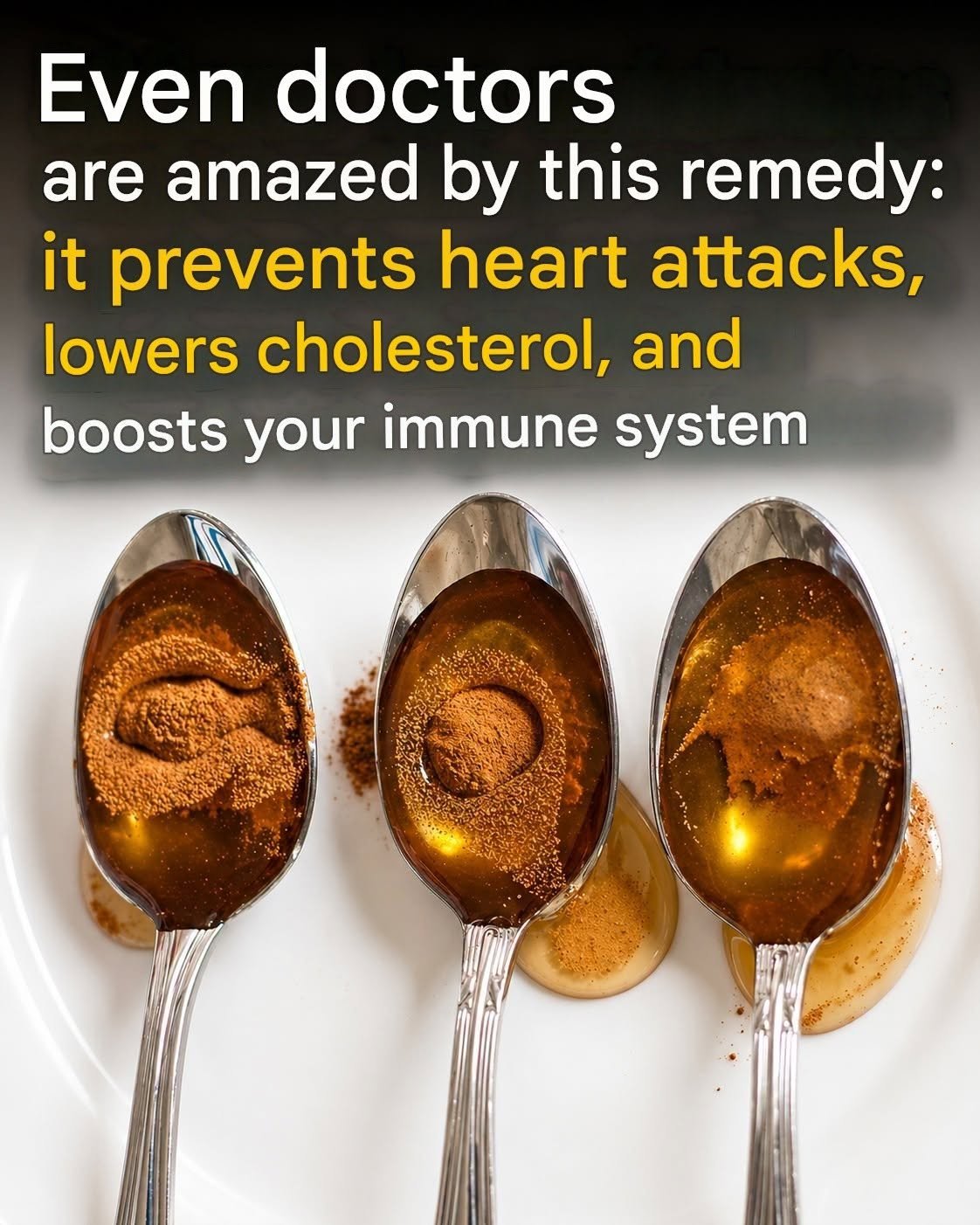
Headlines claiming a secret remedy “prevents heart attacks, lowers cholesterol, and boosts your immune system” rely on the ultimate form of medical clickbait: the overhyped miracle cure.
Whether the article pushes raw garlic, apple cider vinegar, lemon-ginger tonics, or an expensive proprietary supplement, the formula is always the same. It takes a healthy whole food or common kitchen ingredient, strips away scientific nuance, and promises miraculous, disease-reversing results that no single substance can deliver. Understanding why these claims fail helps separate evidence-based cardiovascular and immune health from internet snake oil.
Why “Miracle Remedy” Clickbait Misleads
Sensationalized wellness posts thrive on emotional manipulation and a profound misunderstanding of human biology:
-
The “Silver Bullet” Fallacy: Complex, multi-factorial conditions like heart disease, elevated cholesterol, and immune dysfunction do not stem from a single “deficiency” that a magical tonic can fix. Heart attacks involve plaque accumulation, inflammation, blood pressure, genetics, and lifestyle over decades—not clogged arteries waiting to be “washed out” by a morning drink.
-
Misinterpreting Laboratory Correlates: Articles often point to a single preliminary lab study showing that a compound (like garlic extract or antioxidants in berries) can lower cholesterol in a petri dish or reduce a marker of inflammation in mice. They then leap to the unwarranted conclusion that drinking it will prevent a human heart attack.
The Real Clinical Science of Heart and Immune Health
While ingredients like garlic, turmeric, citrus, or green tea offer legitimate, supportive micronutrients as part of a healthy diet, they function as part of an overall lifestyle—not as medical cures:
-
Managing Cholesterol: True cholesterol management relies on a complex interplay of overall dietary saturated fat intake, soluble fiber consumption, regular cardiovascular exercise, genetics, and—when necessary—clinically proven medications like statins. No single food can override a poor overall diet or genetic predisposition.
-
Preventing Heart Attacks: Cardiovascular protection requires broad risk-factor control: keeping blood pressure in a healthy range, avoiding smoking, managing blood sugar, maintaining regular physical activity, and keeping systemic inflammation low through consistent lifestyle habits.
-
“Boosting” the Immune System: From a strict immunological standpoint, you do not want to constantly “boost” your immune system, as an overactive immune system leads to chronic inflammation and autoimmune reactions. Instead, you want to support immune resilience through adequate sleep, micronutrient-dense whole foods, stress management, and appropriate vaccinations.
The Bottom Line
Ignore the viral clickbait promising that a secret kitchen remedy will prevent heart attacks and lower cholesterol on its own. While incorporating wholesome foods into your daily routine is a fantastic foundation for wellness, true cardiovascular and immune health is built on consistent lifestyle habits, balanced nutrition, and professional medical care—not a miraculous tonic.
