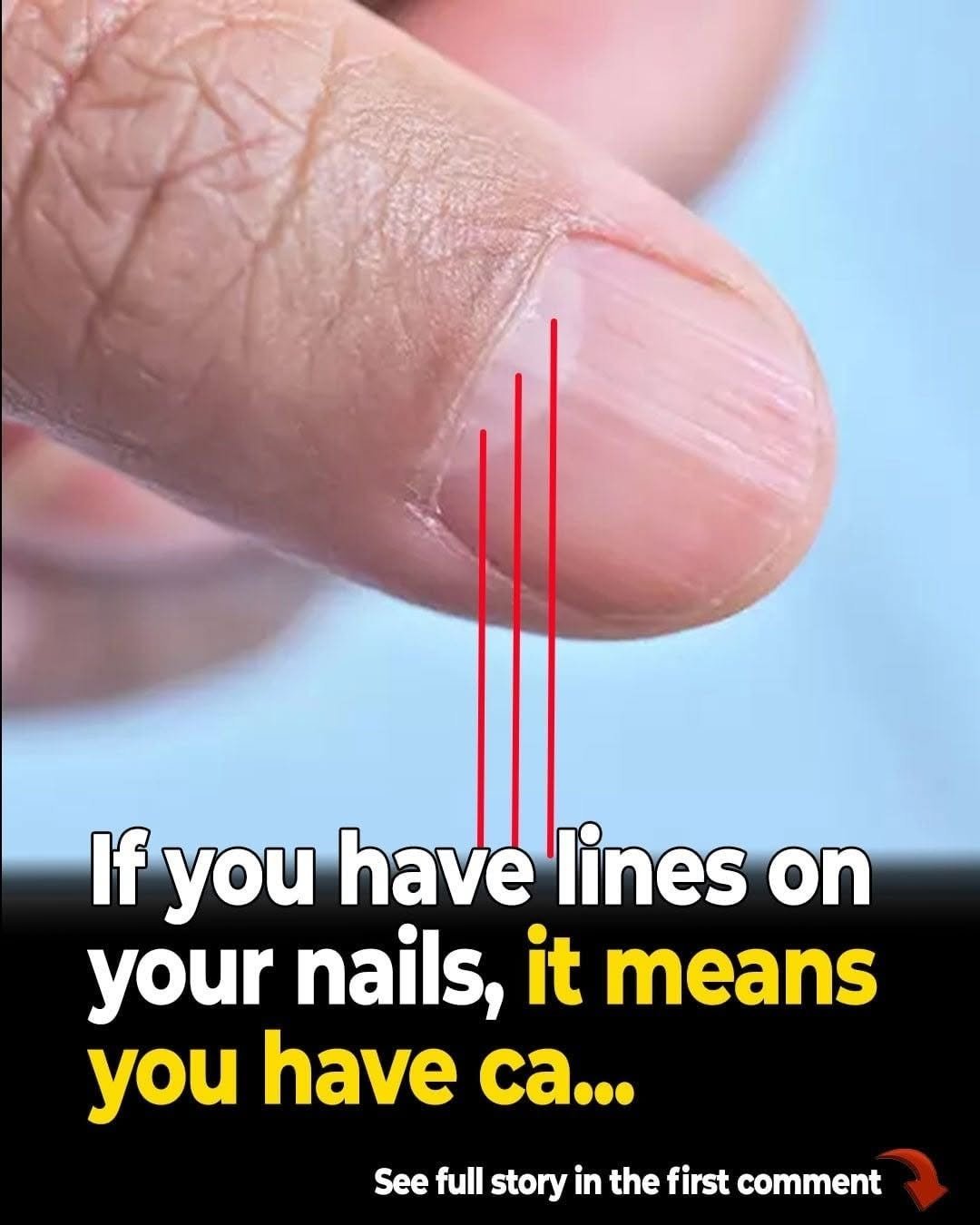
When clickbait health articles tease that a “doctor uncovers a telltale sign in your fingernails that may predict your life expectancy,” they are leaning into a familiar sensationalist playbook: taking genuine clinical signs of underlying systemic illness and wrapping them in mystical, fortune-telling hype.
Your fingernails can indeed provide subtle clues about your overall health, but they do not function as a crystal ball for your lifespan. Instead, nail changes act as external barometers for internal physiological stress, nutritional status, and chronic disease.
What Your Fingernails Actually Reveal
Fingernails are made of hard keratin produced by the nail matrix beneath the cuticle. Because nail growth is a continuous metabolic process that requires a steady supply of nutrients, oxygen, and good circulation, severe or chronic systemic stress can disrupt nail formation, leaving physical records of your health history:
-
Nutritional and Metabolic Status: Rapid weight loss, severe illness, or major physiological trauma can temporarily pause nail growth, resulting in deep horizontal depressions across the nail plate known as Beau’s lines.
-
Circulation and Oxygenation: The nail bed is packed with tiny blood vessels (capillaries). Conditions that chronically reduce blood oxygen levels—such as advanced pulmonary or cardiac disease—can cause the fingertips to widen and the nail beds to curve downward, a physical shift known as clubbing.
-
Systemic Inflammation and Micro-hemorrhages: Tiny, vertical reddish-brown lines under the nails—called splinter hemorrhages—can occur due to minor trauma, but they can also signal systemic inflammation or vascular issues like infective endocarditis when paired with other symptoms.
What Clickbait “Life Expectancy” Articles Get Wrong
Sensationalized headlines distort everyday nail quirks into terrifying prognostic tools:
-
Pathologizing Normal Variations: Articles often claim that harmless vertical ridges, mild white spots (leukonychia caused by minor bumps to the nail base), or natural age-related changes are ticking time bombs that signal impending decline. In reality, vertical ridges are as normal as wrinkles on skin.
-
The “Fortune-Telling” Fallacy: Suggesting that a specific nail shape or mark can predict your exact life expectancy ignores the vast web of genetics, lifestyle, preventive care, and unpredictable life events that determine human longevity.
The Bottom Line
Your fingernails do not predict how long you will live, but they can sometimes signal that an underlying medical condition deserves attention. If you ever notice sudden, dramatic changes in your nails—such as severe clubbing, persistent discoloration, or painful swelling around the nail folds—consult a physician for a proper clinical evaluation rather than an internet prediction.
