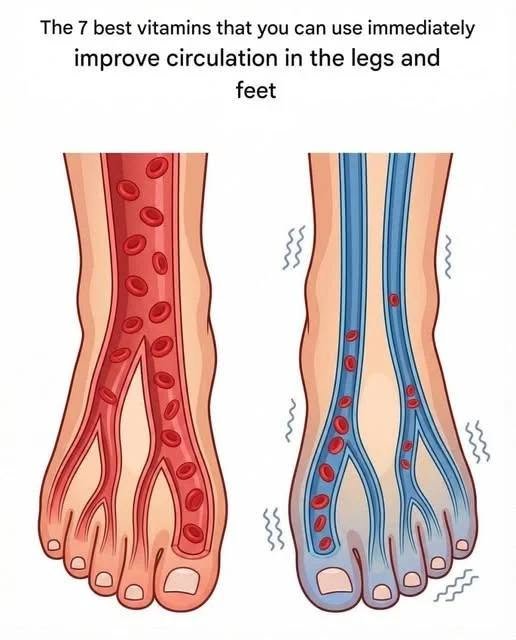
When sensationalized health articles promise that you can “fix poor circulation in just 20 minutes,” they are capitalizing on a common, vague physical complaint—like cold hands, tired feet, or occasional stiffness—and packaging it with a “quick-fix” miracle cure.
True impaired circulation is a serious clinical condition rooted in vascular disease, heart failure, or chronic microvascular damage. It cannot be erased in a single 20-minute stretching session or supplement routine. However, understanding how circulation actually works separates genuine vascular health from wellness marketing hype.
The Reality of How Circulation Works
Your circulatory system is an extensive closed loop powered by the heart and supported by the elasticity of your blood vessels:
-
The Heart as a Pump: Oxygenated blood is pumped through arteries under pressure, while veins rely on one-way valves and the contraction of surrounding skeletal muscles (especially in your legs) to push deoxygenated blood back up against gravity.
-
Microcirculation: Capillaries deliver oxygen and nutrients down to the cellular level. When circulation feels sluggish, it is usually due to localized vascular resistance, prolonged physical inactivity, or systemic inflammation—not a sudden pipe clog that can be flushed out instantly.
What Clickbait “20-Minute Fixes” Get Wrong
Sensationalized guides love to sell instantaneous solutions because they sound appealing:
-
The “Flush the Toxins” Fallacy: Articles often claim that a 20-minute foot soak, a specific herbal tea, or a vibrating massage belt will magically clear out your blood vessels. In reality, while a warm bath or gentle massage causes temporary local vasodilation (widening of surface blood vessels) that warms your skin, it does not reverse underlying arterial plaque or cure chronic vascular insufficiency.
-
Misinterpreting Normal Cold Sensations: Having cold hands or feet in a chilly room is standard autonomic thermoregulation—your body constricts surface blood vessels to protect core organ temperature. It is not an emergency sign of failing circulation.
Evidence-Based Ways to Support Vascular Health Over Time
While you cannot “fix” chronic circulation issues in 20 minutes, sustainable lifestyle habits scientifically improve vascular endothelial function and blood flow over the long term:
-
Skeletal Muscle Activation (The Second Heart): Because leg veins rely on muscle contractions to pump blood upward, regular movement—such as brisk walking, cycling, or simple calf raises—is the single most effective way to assist venous return.
-
Hydration and Electrolyte Balance: Dehydration thickens blood viscosity and reduces overall blood volume, forcing the cardiovascular system to work harder. Maintaining steady hydration keeps blood flowing smoothly.
-
Targeted Cardiovascular Exercise: Consistent aerobic activity prompts blood vessels to release nitric oxide, a compound that naturally relaxes and dilates arterial walls, improving overall vascular elasticity.
The Bottom Line
If you experience persistent, severe circulatory symptoms—such as painful cramping in your legs only when walking, non-healing skin ulcers, or sudden numbness and coldness in one specific limb—skip the 20-minute internet hacks and consult a physician for proper diagnostic testing, such as an ultrasound or an ankle-brachial index (ABI) exam.
