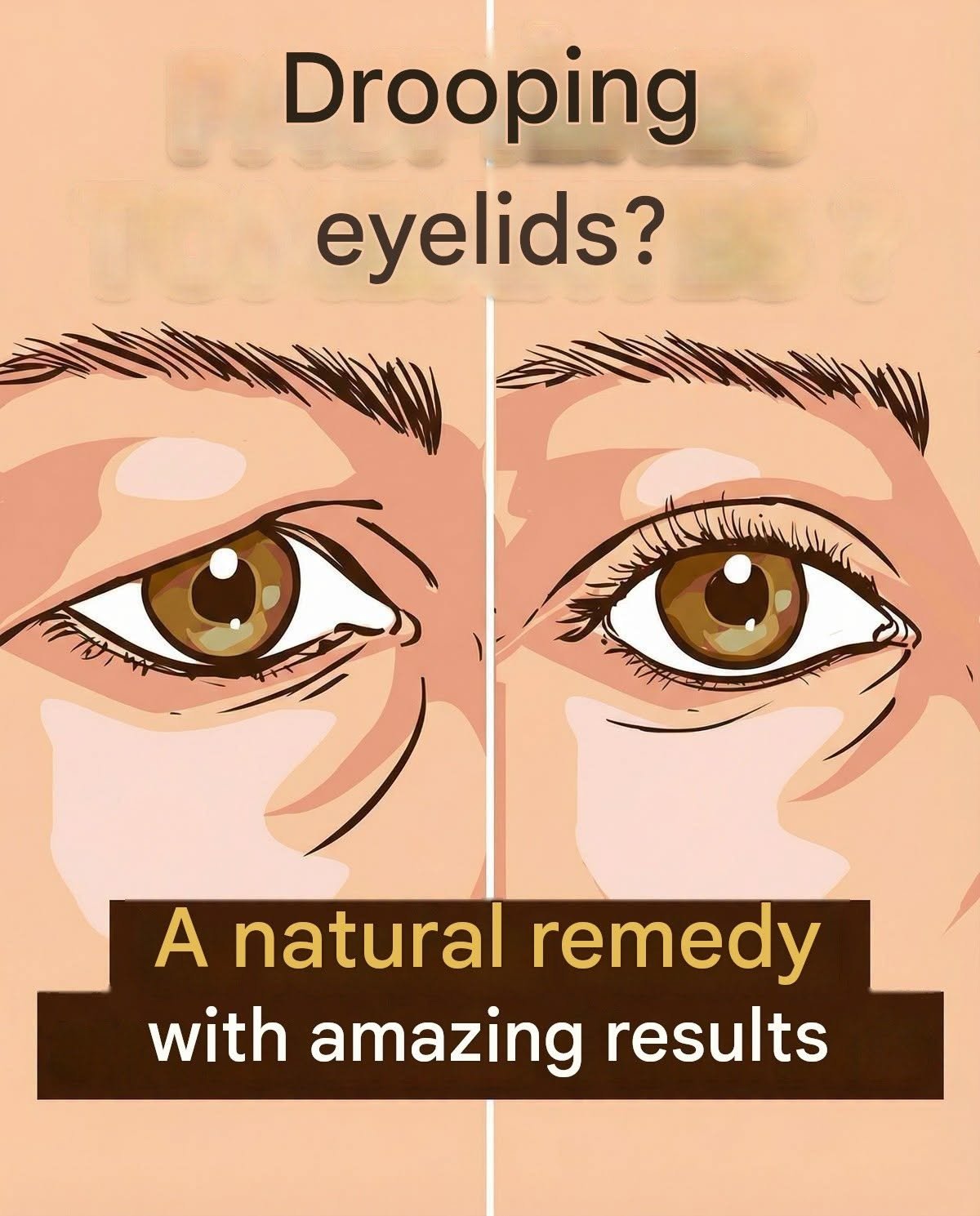
When wellness blogs and beauty ads promise that a specific eye cream, facial massage, or DIY mask will reverse droopy eyelids, they lean on exaggerated marketing to sell quick fixes for an anatomical reality.
The underlying medical and structural truth is distinct: droopy eyelids—medically known as ptosis or pseudoptosis—are rarely caused by tired skin alone. While mild skin laxity can make the upper lid feel heavy, true ptosis happens when the muscle that lifts the eyelid (the levator palpebrae superioris) stretches, weakens, or detaches, or when nerve input to that muscle is disrupted.
An evidence-based look at what natural methods can realistically achieve—and when droopy eyelids signal a serious medical concern—helps separate beauty hype from neurology and ophthalmology.
What Natural Methods Can (and Cannot) Do
-
What They Cannot Do (Fix Structural Ptosis): No amount of facial yoga, targeted eye exercises, caffeine serums, or tightening creams can repair a stretched levator muscle or lift a sagging eyelid that has lost its structural support. Topical products temporarily hydrate the stratum corneum or provide a minor vasoconstrictive tightening effect, but they cannot alter underlying muscular or neurological function.
-
What They Can Do (Manage Puffiness and Skin Laxity): If your “droopiness” is actually pseudoptosis—meaning heavy, excess upper eyelid skin (dermatochalasis) weighing down the lid margin due to natural aging and collagen loss—lifestyle adjustments can help manage fluid retention and inflammation. Cool compresses, adequate sleep, managing allergies, and gentle lymphatic drainage massage can reduce morning fluid puffiness that makes eyelids look heavier.
When Droopy Lids Require a Doctor (The Red Flags)
While age-related sagging is common, a sudden or progressive eyelid droop can be a warning sign of an underlying medical condition requiring prompt clinical evaluation:
-
Sudden-Onset Ptosis (A Neurological Emergency):
-
The Concern: If an eyelid drops suddenly (over hours or days), especially if accompanied by double vision, a severe headache, or pupil dilation changes, it can indicate a third cranial nerve palsy, a carotid aneurysm, or a stroke. This requires immediate emergency medical attention.
-
-
Myasthenia Gravis (Fatigable Weakness):
-
The Concern: If your eyelids droop more severely as the day goes on, or after reading for a while, and improves after resting or applying ice, it can be a sign of Myasthenia Gravis—an autoimmune neuromuscular disorder where communication between nerves and muscles is impaired.
-
-
Mechanical Obstruction (Chalazion or Tumors):
-
The Concern: A visible lump, a persistent stye (chalazion), or an abnormal growth on the eyelid can mechanically weigh the lid down, requiring an ophthalmologist’s assessment to rule out benign or malignant lesions.
-
-
Horner’s Syndrome:
-
The Concern: A subtle drooping of one eyelid accompanied by a smaller pupil on the same side and a lack of sweating on that half of the face can signal a disruption in the sympathetic nerve pathway from the brain to the eye.
-
Medical and Surgical Options for True Ptosis
If your eyelids interfere with your superior field of vision or cause functional strain, topical treatments won’t suffice:
-
Apraclonidine or Oxymetazoline Eye Drops: Prescription drops can temporarily stimulate the Mueller muscle in the eyelid to elevate the lid margin slightly, often used as a temporary or diagnostic measure.
-
Blepharoplasty or Ptosis Surgery: When sagging excess skin (dermatochalasis) or a detached levator muscle impacts vision or daily life, minor corrective outpatient surgery performed by an oculoplastic surgeon can safely reposition or tighten the eyelid structures.
The Takeaway
Skip the expensive firming creams marketed as surgical alternatives. If your eyelids feel heavy due to aging skin, basic skincare and hydration can help manage puffiness. However, if you notice a sudden droop, double vision, or visual obstruction, bypass the beauty aisle entirely and consult an ophthalmologist or neurologist.
