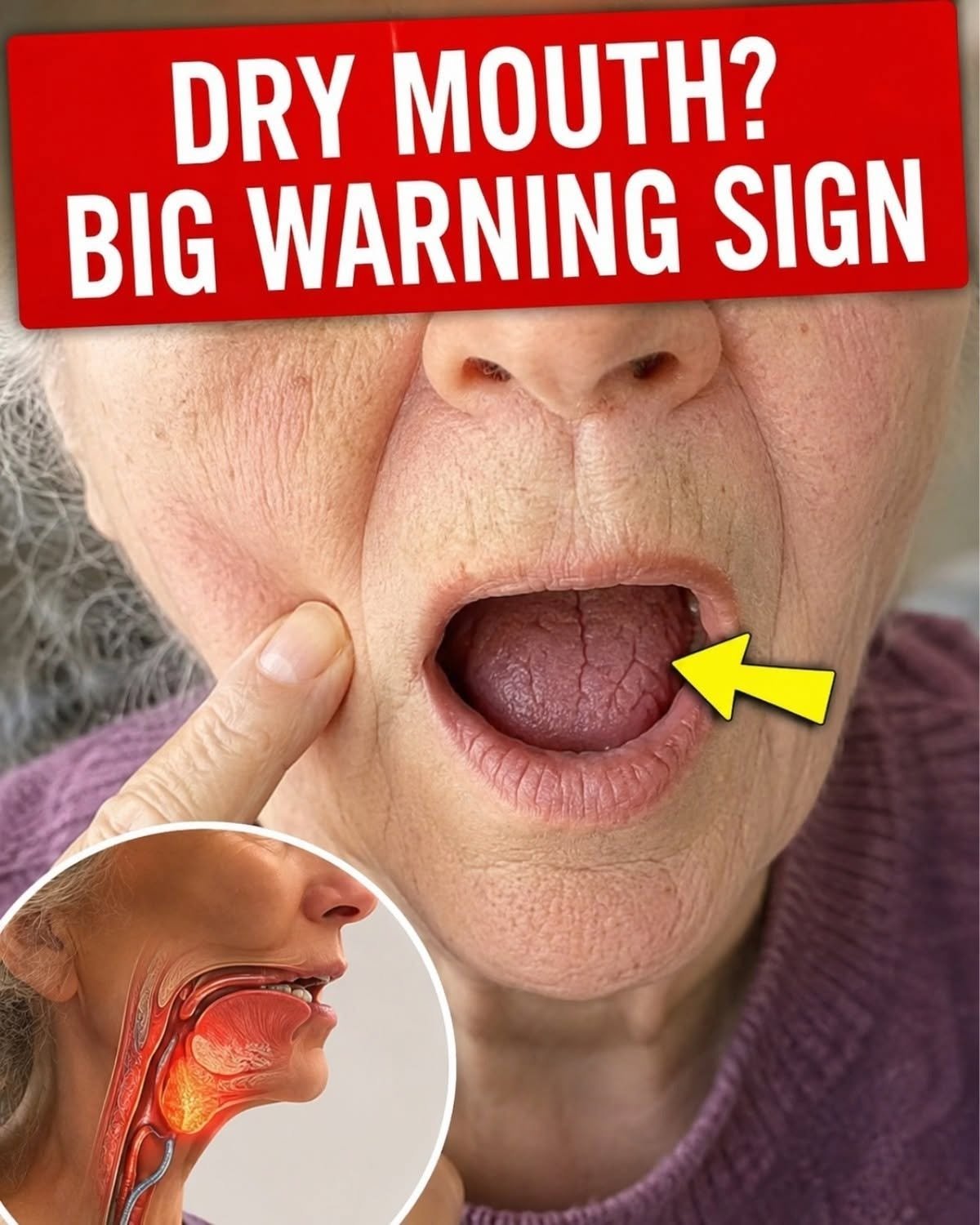
When older adults experience persistent dry mouth (clinically known as xerostomia), it is easy to write it off as an inevitable part of growing older. However, dental and medical specialists emphasize an important clinical truth: dry mouth is not a normal sign of aging.
Instead, it is a clear signal that your major salivary glands have slowed down or that an outside factor is disrupting your body’s natural moisture production.
Why Saliva Production Really Shuts Down
Saliva is far more than just moisture—it is a vital protective fluid that neutralizes acids, washes away food particles, fights bacteria, and begins the process of digestion. When salivary flow drops significantly, it is usually driven by specific, identifiable triggers:
1. Common Medications (The #1 Culprit)
-
What Happens: While aging itself doesn’t stop saliva, the medications frequently taken as we age certainly can. Over 400 common prescription and over-the-counter drugs—including blood pressure medications (like diuretics and beta-blockers), antihistamines, antidepressants, and anti-anxiety drugs—have anticholinergic side effects that directly suppress salivary gland output.
2. Chronic Dehydration
-
What Happens: If your daily fluid intake is too low, or if you lose excess fluids due to heat, physical activity, or underlying health conditions, your body conserves water by reducing fluid output across mucosal tissues, including your mouth.
3. Mouth Breathing and Nasal Blockages
-
What Happens: Conditions like chronic sinus congestion, allergies, or a deviated septum can cause you to breathe primarily through your mouth, especially overnight. This constant airflow rapidly evaporates the thin layer of saliva coating your oral tissues.
4. Underlying Medical Conditions
-
What Happens: Systemic issues such as Sjögren’s syndrome (an autoimmune disorder that attacks moisture-producing glands), diabetes, thyroid disorders, or nerve damage affecting the head and neck can impair salivary gland function.
Why Protecting Your Saliva Matters
Chronic dry mouth isn’t just uncomfortable—it compromises your oral and digestive health. Without adequate saliva:
-
Tooth Decay Accelerates: Saliva contains crucial minerals like calcium and phosphate that remineralize tooth enamel. Without it, the risk of rapid cavities (especially around the gumline) increases sharply.
-
Digestion Struggles: Saliva contains digestive enzymes (like amylase) that break down starches the moment you chew.
-
Swallowing and Speaking Become Difficult: A dry oral cavity makes it harder to form boluses of food, swallow comfortably, or talk for extended periods.
Evidence-Based Ways to Restore and Protect Moisture
-
Review Your Medications: If you suspect a prescription drug is drying out your mouth, speak with your physician or pharmacist. Never stop taking a medication on your own, but ask if an alternative formulation with a lower anticholinergic effect is available.
-
Sip Water Consistently: Keep a water bottle nearby throughout the day, taking small, frequent sips to keep your mucous membranes hydrated.
-
Stimulate Saliva Naturally: Opt for sugar-free gum or hard candies containing xylitol, which gently stimulate your salivary glands without feeding cavity-causing bacteria.
-
Use Humidifying Support: Running a cool-mist humidifier in your bedroom at night can prevent severe overnight evaporation if you tend to breathe through your mouth.
-
Avoid Irritants: Limit caffeine, alcohol, and heavily salted or spicy foods, which can further dry out and irritate sensitive oral tissues.
Are you managing dry mouth or exploring ways to support your overall hydration and oral health?
