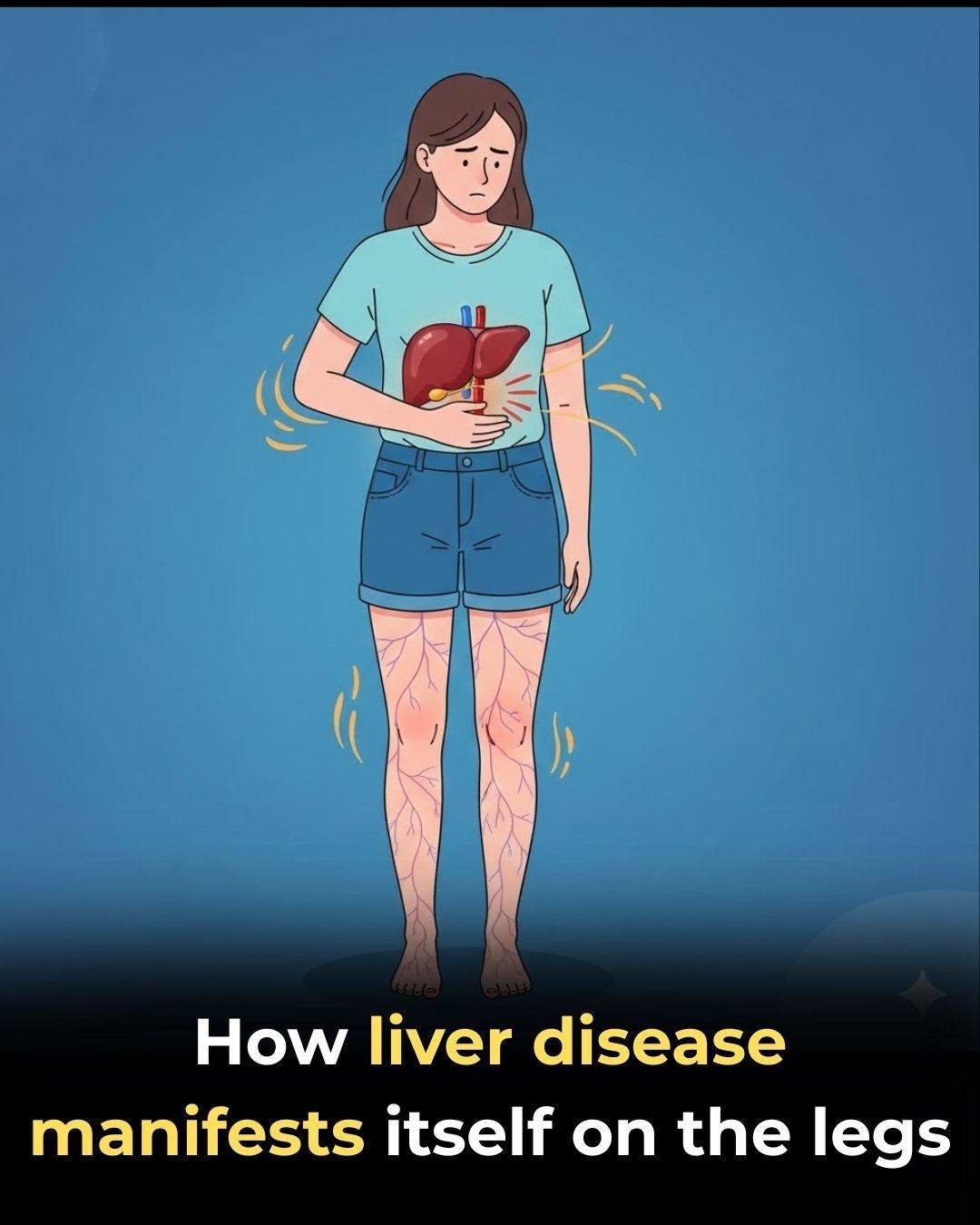
When dramatic health headlines warn that your legs are “crying for help,” they are usually pointing toward important vascular, circulatory, or neurological signals. While everyday muscle fatigue from walking or standing is normal, vascular specialists and primary care physicians emphasize that certain persistent leg symptoms should never be ignored.
5 Critical Leg Symptoms to Watch For
1. Unilateral Swelling (Edema in One Leg)
-
What It Means: While swelling in both ankles can happen from standing long hours or eating a high-sodium meal, sudden swelling in only one leg or calf is a major red flag. It can indicate a deep vein thrombosis (DVT)—a blood clot that requires immediate medical evaluation.
2. Pain, Cramping, or Heaviness with Walking (Claudication)
-
What It Means: If your calves, thighs, or buttocks cramp or ache consistently when walking a certain distance and quickly resolve with rest, it may be a sign of peripheral artery disease (PAD), where plaque buildup narrows the arteries supplying blood to your lower limbs.
3. Persistent Skin Discoloration or Shiny Skin
-
What It Means: Skin on the lower legs that turns reddish-brown, looks unusually shiny, or feels tight and leathery often points to chronic venous insufficiency, where the vein valves struggle to pump blood efficiently back up to the heart.
4. Non-Healing Sores or Ulcers
-
What It Means: Cuts, scrapes, or sores on the lower legs, ankles, or feet that take weeks to heal—or do not heal at all—indicate compromised blood circulation or neuropathy, requiring professional wound care and vascular assessment.
5. Coldness, Numbness, or Tingling
-
What It Means: If one foot or lower leg consistently feels noticeably colder than the other, or if you experience persistent “pins and needles” numbness, it suggests restricted arterial blood flow or nerve compression.
When to Seek Prompt Medical Attention
If you notice sudden, painful swelling in one leg, severe shortness of breath accompanying leg pain, or open sores that won’t heal, schedule an appointment with your physician or a vascular specialist right away. For everyday achiness, gentle movement, maintaining healthy blood pressure, and staying well-hydrated support optimal leg circulation.
Are you monitoring your circulation and vascular health, or looking for ways to support everyday leg comfort?
