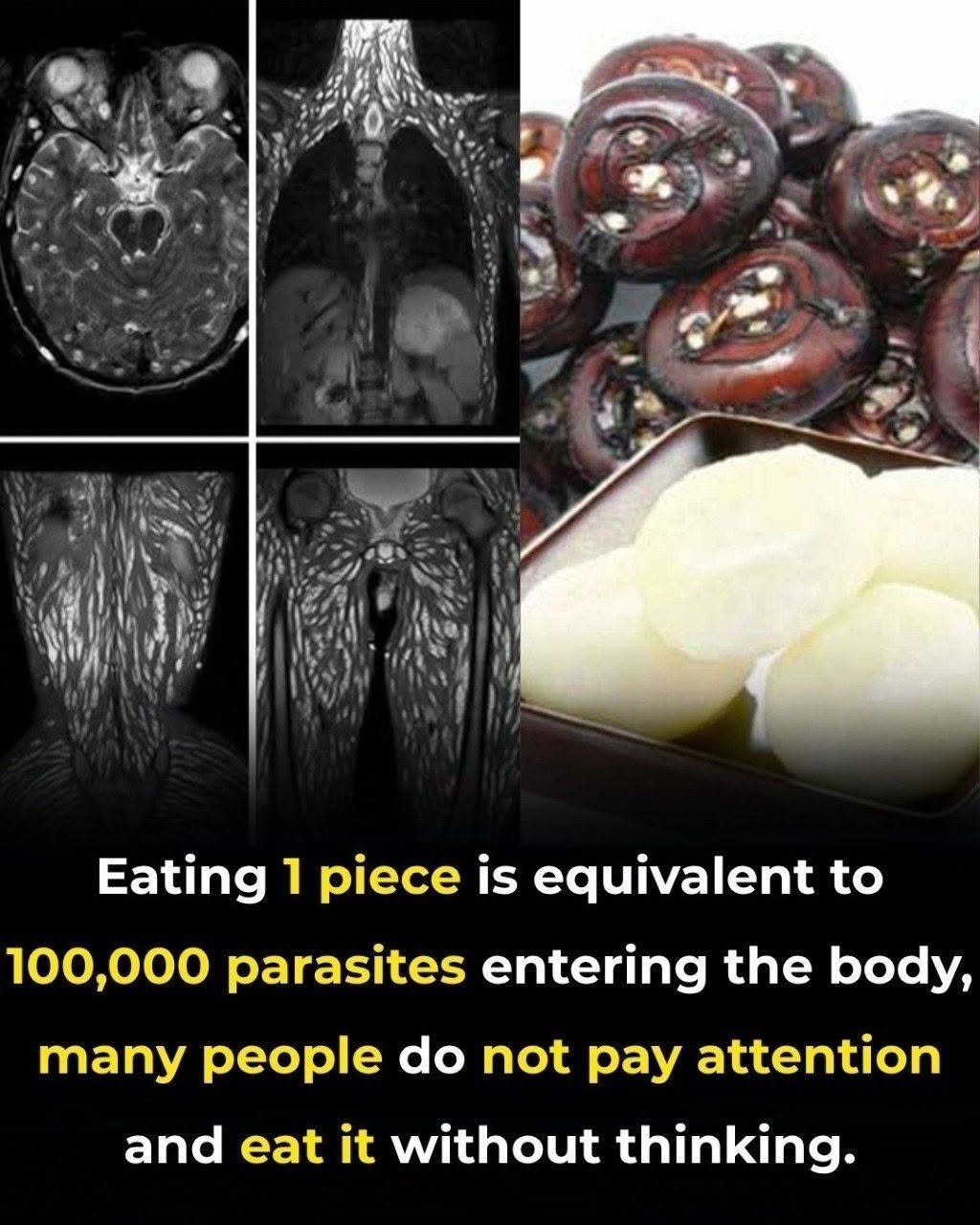
When sensationalized health articles warn that “Eating Just One Bite is Already Harmful, But Many Still Eat It Without Worry,” they rely on the exact same alarmist theater—framing everyday foods as toxic hazards to trigger panic and drive clicks.
The underlying toxicological and nutritional reality remains completely unchanged: in toxicology, “the dose makes the poison.” Almost every food or substance—including water, salt, and vitamins—can be harmful in excessive amounts, but a single bite of an indulgent or processed food poses zero physiological threat to a healthy body. Human metabolism is remarkably resilient and designed to process occasional dietary indiscretions without a catastrophic collapse.
An evidence-based look at how our bodies handle food helps separate clinical reality from fear-mongering health myths.
1. The Core Principle: “The Dose Makes the Poison”
Coined by the Renaissance physician Paracelsus, the foundational law of toxicology states that toxicity depends entirely on concentration and exposure:
-
The Threshold: Eating a single bite of a food containing trans fats, added sugars, or artificial preservatives does not overwhelm your liver, clog your arteries instantly, or permanently damage your metabolism.
-
Cumulative Exposure: Real metabolic harm (like insulin resistance, fatty liver disease, or cardiovascular strain) is driven by chronic, long-term dietary patterns—what you eat consistently over years and decades—not by a solitary bite of cake, a slice of pizza, or a processed snack.
2. The Resilience of Human Digestion
Your body possesses robust, multi-layered defense and processing mechanisms:
-
Enzymatic Breakdown: The moment food enters your mouth, salivary amylase begins breaking down starches. As it moves through the GI tract, specialized enzymes neutralize or metabolize components safely.
-
Homeostatic Regulation: Your liver, kidneys, and pancreas work continuously to maintain blood chemistry balance (homeostasis). If you consume a sudden spike of sugar or sodium, your endocrine system adjusts insulin and fluid balance smoothly to restore equilibrium.
3. The Psychological Trap of “Purity Culture”
Alarmist food headlines promote a dangerous psychological phenomenon known as nutritional “purity culture” or orthorexia:
-
All-or-Nothing Thinking: Framing foods as “purely good” or “poisonous from a single bite” creates profound dietary anxiety, guilt, and disordered eating patterns.
-
The Flexible Approach: True nutritional health accounts for the 80/20 rule: eating nutrient-dense whole foods the vast majority of the time leaves plenty of room for small, guilt-free indulgences without any adverse health impacts.
The Takeaway
Ignore the fear-based rhetoric that treats a single bite of food like a hazardous chemical spill. Your body is biologically equipped to handle occasional treats with ease. Health is built on your overall, long-term dietary habits—not on living in terror of a stray calorie or a single bite.
