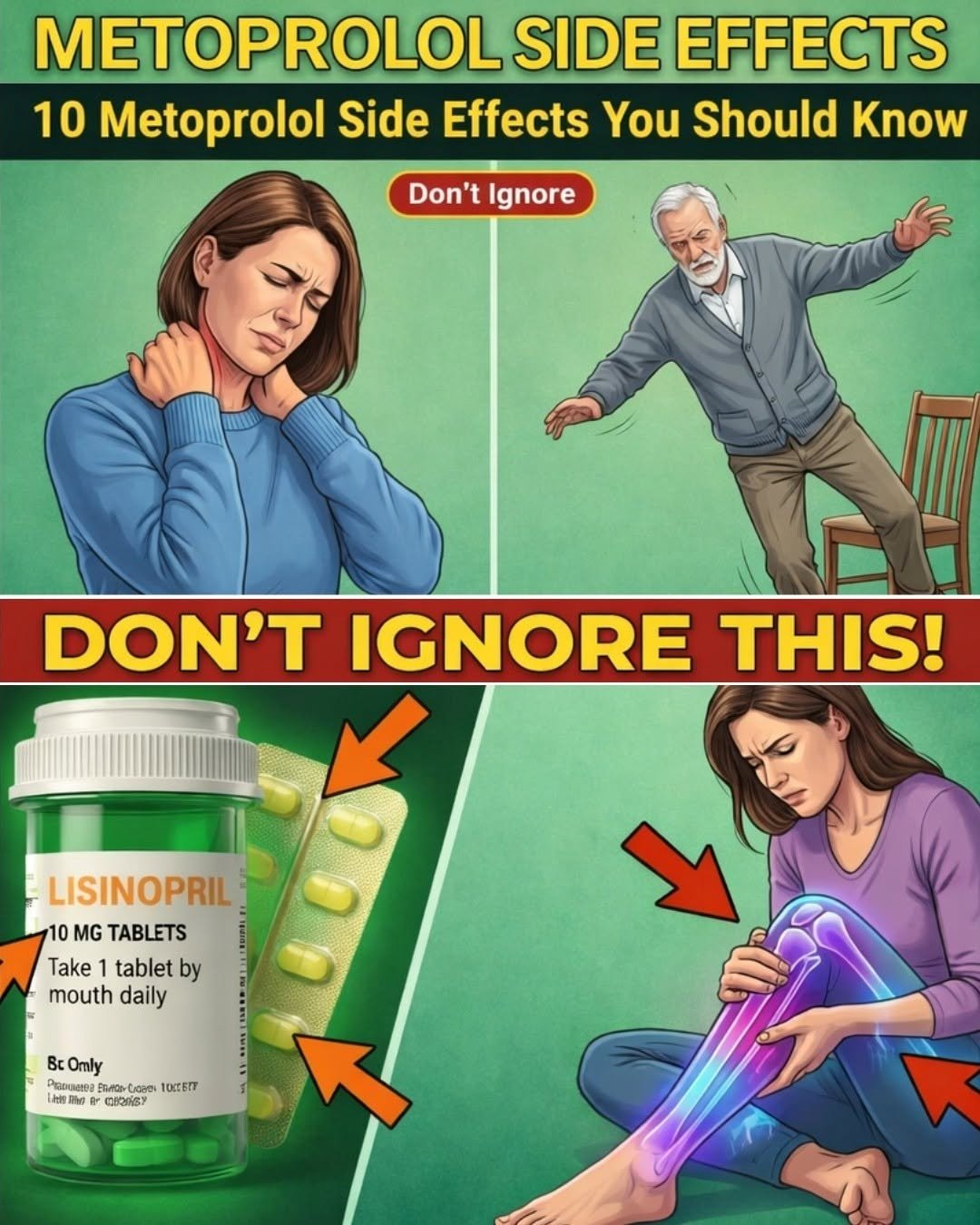
When health articles and wellness blogs highlight “metoprolol side effects that are often overlooked,” they often sensationalize a life-saving medication to generate clicks. Metoprolol is a beta-blocker widely prescribed to manage hypertension, heart failure, and post-myocardial infarction recovery, as well as to control heart rate and prevent migraines.
Like all beta-blockers, metoprolol works by blocking the action of stress hormones (like adrenaline) on beta-1 adrenergic receptors in the heart. This slows the heart rate and reduces the force of contractions, lowering blood pressure and cardiac workload. However, because these receptors are also present in other tissues throughout the body, metoprolol can produce secondary effects that patients often find surprising.
Let’s examine the clinical reality behind metoprolol’s side effects, separating common physiological adjustments from true medical concerns.
10 Metoprolol Side Effects Often Overlooked
1. Profound Fatigue and Decreased Exercise Tolerance
-
The Clinical Reality: Because metoprolol deliberately slows your heart rate and reduces cardiac output, your body pumps less oxygen-rich blood to skeletal muscles during exertion. This frequently manifests as a heavy, persistent sense of fatigue or feeling “winded” much faster during workouts, especially during the first few weeks of therapy.
2. Cold Hands and Feet (Peripheral Vasoconstriction)
-
The Reality: By blocking beta-receptors, metoprolol can alter vascular tone in the extremities, reducing blood flow to the skin and fingers. Many patients notice their hands and feet feel noticeably colder, mimicking a mild form of Raynaud’s phenomenon.
3. Vivid Dreams or Sleep Disturbances
-
The Reality: Lipophilic (fat-soluble) beta-blockers like metoprolol can cross the blood-brain barrier. While the exact mechanism is still studied, patients frequently report experiencing unusually vivid, cinematic dreams, nightmares, or mild insomnia when starting the medication.
4. Masking Symptoms of Low Blood Sugar (Hypoglycemia)
-
The Reality: Adrenaline is the hormone that triggers classic warning signs of low blood sugar—such as a racing heart (palpitations), tremors, and severe anxiety. Because metoprolol blunts your heart rate and adrenaline response, it can mask these crucial early warning signs in individuals managing diabetes, leaving dizziness and sweating as the primary indicators.
5. Mild Depressive Mood Shifts
-
The Reality: Because beta-blockers influence central nervous system pathways, some individuals report feeling emotionally flattened, unmotivated, or mildly depressed. While clinical studies debate the direct causality versus the impact of chronic fatigue, any persistent depressed mood should be discussed with a physician.
6. Slowed Heart Rate (Asymptomatic Bradycardia)
-
The Reality: Metoprolol is designed to lower your heart rate. However, if your resting heart rate drops significantly (typically below 50 beats per minute) and is accompanied by dizziness or extreme lethargy, your dosage may need adjustment by your doctor.
7. Gastrointestinal Upset and Mild Constipation
-
The Reality: Slowing down the sympathetic nervous system can subtly slow down gastrointestinal motility, occasionally leading to mild nausea, abdominal discomfort, or constipation.
8. Weight Gain and Metabolic Sluggishness
-
The Reality: A combination of reduced exercise tolerance, lowered baseline metabolic rate, and fluid retention can lead to gradual weight gain over time for some patients taking long-term beta-blocker therapy.
9. Sexual Dysfunction
-
The Reality: Much like other blood pressure medications, beta-blockers can occasionally impact sexual function or libido. This is often multifactorial, linked to reduced vascular responsiveness and psychological fatigue.
10. Rebound Hypertension and Tachycardia Upon Abrupt Cessation
-
The Reality: This is the most critical safety warning associated with metoprolol. If you stop taking the medication abruptly, your body experiences a surge of hypersensitive beta-receptors reacting to unblocked adrenaline. This can cause a dangerous, rapid spike in blood pressure and a severe increase in heart rate (rebound tachycardia), potentially triggering angina or a cardiac event. Never stop taking metoprolol suddenly without direct medical supervision and a structured tapering plan.
When to Contact Your Doctor
While many minor side effects subside as your body adjusts over the first month, you should contact your physician promptly if you experience:
-
Severe dizziness, fainting spells, or a resting heart rate consistently falling below 50 bpm.
-
Worsening shortness of breath, rapid weight gain, or swelling in your lower legs (which can indicate worsening heart failure symptoms).
-
Wheezing or difficulty breathing, particularly if you have a history of asthma or chronic obstructive pulmonary disease (COPD), as beta-blockers can sometimes trigger airway constriction.
