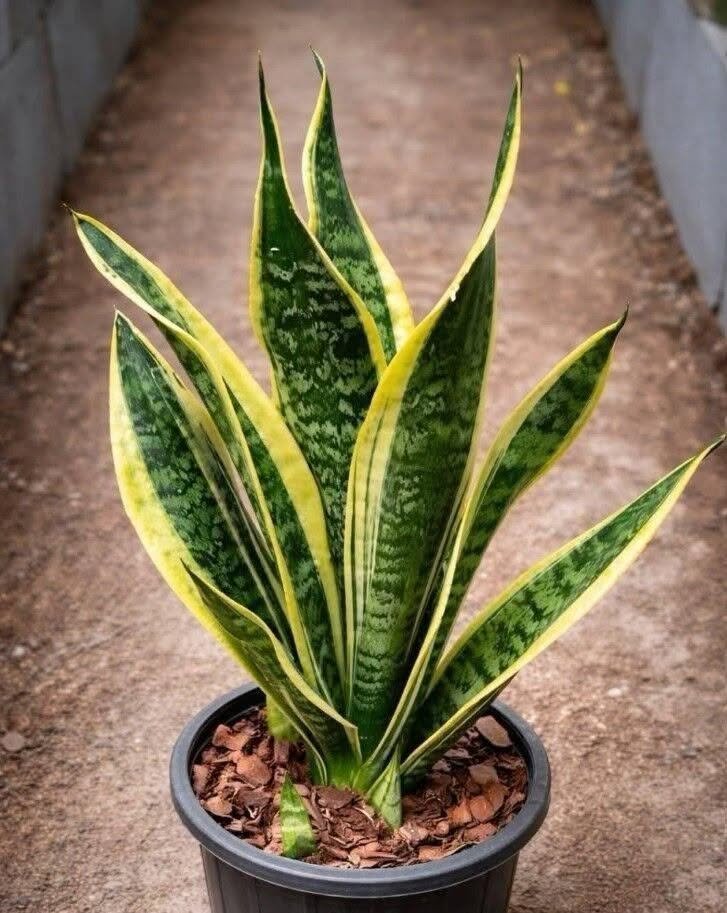
When viral home and garden headlines tease that “if you have this plant in your house, then you have…” they are almost always talking about the Snake Plant (Sansevieria or Dracaena trifasciata).
Known for its striking, upright, sword-like leaves with yellow or green variegation, the snake plant is one of the most popular indoor houseplants in the world. Clickbait titles usually finish that sentence with phrases like “the ultimate natural air purifier” or “a powerhouse oxygen machine in your bedroom.”
What Makes the Snake Plant So Special?
While it won’t magically transform your indoor air quality overnight, botanists and indoor gardeners love snake plants for several legitimate reasons:
-
Nearly Indestructible (Low Maintenance): Snake plants are famous for thriving on neglect. They tolerate low-light corners, irregular watering, and dry indoor air with ease. In fact, overwatering is virtually the only way to kill them, as their roots rot if left sitting in soggy soil.
-
CAM Photosynthesis (Nighttime Oxygen): Unlike most plants that absorb carbon dioxide and release oxygen exclusively during daylight hours, snake plants use a specialized pathway (Crassulacean Acid Metabolism) to absorb carbon dioxide and release oxygen at night. While the actual volume of oxygen they produce isn’t enough to dramatically change a room’s oxygen levels, it makes them a wonderful, soothing green addition to a bedroom.
-
Natural Resilience: Their tough, fibrous leaves evolved to survive harsh, arid environments, meaning they handle indoor temperature fluctuations and dusty conditions without missing a beat.
A Quick Word of Caution for Pet Owners
If you have curious cats or dogs roaming your house, keep in mind that snake plants are mildly toxic to pets if ingested. The saponins inside the leaves can cause nausea, vomiting, and excess drooling in animals, so it’s best to place them on a high shelf or plant stand if you share your home with furry friends.
Do you currently keep indoor houseplants like snake plants or pothos, or are you looking for hardy greenery that requires very little maintenance?
