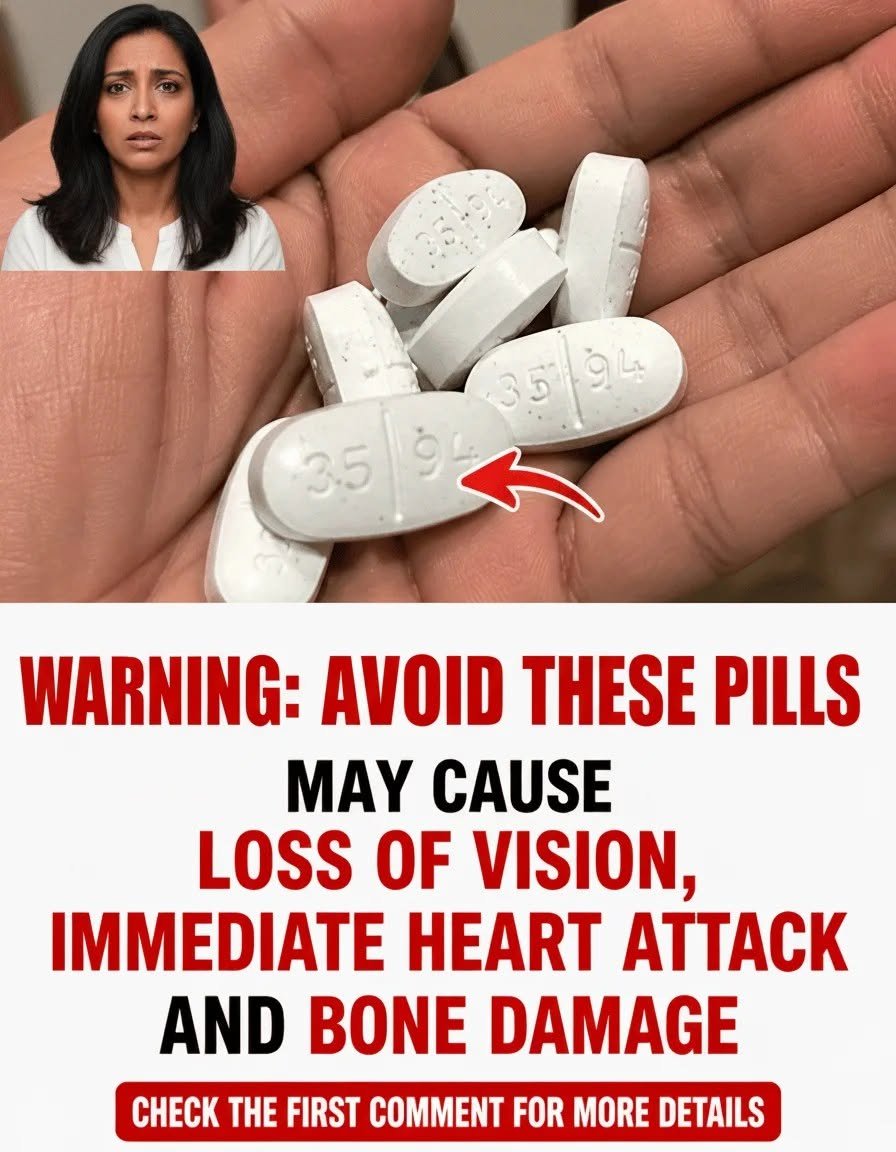
When sensational health warnings declare that your everyday pills are hiding a dangerous blood clot risk, it is completely natural to feel a spike of anxiety. After all, millions of people rely on everyday medications to manage routine aches, pains, and seasonal illnesses.
While clickbait headlines exaggerate to grab attention, clinical pharmacologists and geriatric specialists do monitor specific everyday medications for their impact on clotting and circulation—particularly as we age.
Here is the straightforward, evidence-based breakdown of which everyday pills require caution, why they affect your circulation, and how to stay safe:
The Everyday Pills Linked to Clotting and Cardiovascular Risks
1. Non-Steroidal Anti-Inflammatory Drugs (NSAIDs)
-
The Everyday Pills: Ibuprofen (Advil, Motrin), Naproxen (Aleve).
-
The Clot Risk: While NSAIDs are famous for raising blood pressure and straining the kidneys, certain studies have also linked regular or high-dose systemic use—particularly in older adults or those with pre-existing vascular issues—to an elevated risk of thrombotic events (blood clots, heart attacks, and strokes). They can tip the delicate balance of your cardiovascular system by constricting blood vessels and increasing platelet aggregation.
-
Safer Approach: Reserve oral NSAIDs for occasional, short-term use rather than daily popping for chronic arthritis. For ongoing joint pain, discuss topical NSAID creams (like Voltaren) or physical therapy with your doctor.
2. Hormonal Medications (Oral Contraceptives and Hormone Replacement Therapy)
-
The Everyday Pills: Birth control pills or estrogen/progestin hormone replacement therapy (HRT) taken for menopausal symptoms.
-
The Clot Risk: Estrogen significantly increases the liver’s production of clotting factors, which substantially raises the risk of deep vein thrombosis (DVT) and pulmonary embolism (PE), particularly in women over 35 or those who smoke.
-
Safer Approach: Modern HRT prescribed for menopause often utilizes lower doses, transdermal patches (which bypass the liver’s primary clotting pathway), or progesterone-only options when appropriate. Always evaluate your personal and family clotting history with your physician.
3. Decongestants Containing Pseudoephedrine or Phenylephrine
-
The Everyday Pills: Over-the-counter cold, flu, and sinus medications.
-
The Clot Risk: These ingredients act as powerful systemic vasoconstrictors. By shrinking blood vessels to clear your sinuses, they can abruptly spike blood pressure and heart rate, which places acute stress on the cardiovascular system.
-
Safer Approach: Rely on saline nasal sprays, steamy showers, or humidifiers for congestion, avoiding oral decongestants if you have high blood pressure or a history of cardiovascular disease.
How to Stay Safe Without Panic
-
Review Your Full Regimen (“Brown Bag” Check): Never assume over-the-counter drugs are entirely harmless just because they don’t require a prescription. Bring every bottle—from daily pain relievers and supplements to cold medicine—to your next doctor’s appointment.
-
Watch for Red-Flag Symptoms: Seek emergency medical care immediately if you experience the classic signs of a dangerous blood clot, such as:
-
Sudden swelling, pain, warmth, or redness in one calf or leg (Deep Vein Thrombosis).
-
Unexplained, sudden shortness of breath, rapid heart rate, or sharp chest pain (Pulmonary Embolism).
-
Sudden numbness, weakness on one side of the body, or slurred speech (Stroke).
-
-
Prioritize Movement and Hydration: Simple lifestyle habits—like staying well-hydrated and taking breaks to walk around if you sit for long periods—naturally support healthy blood flow and reduce stasis.
Are you evaluating these everyday medications for yourself or a loved one, or managing a specific concern about circulation?
