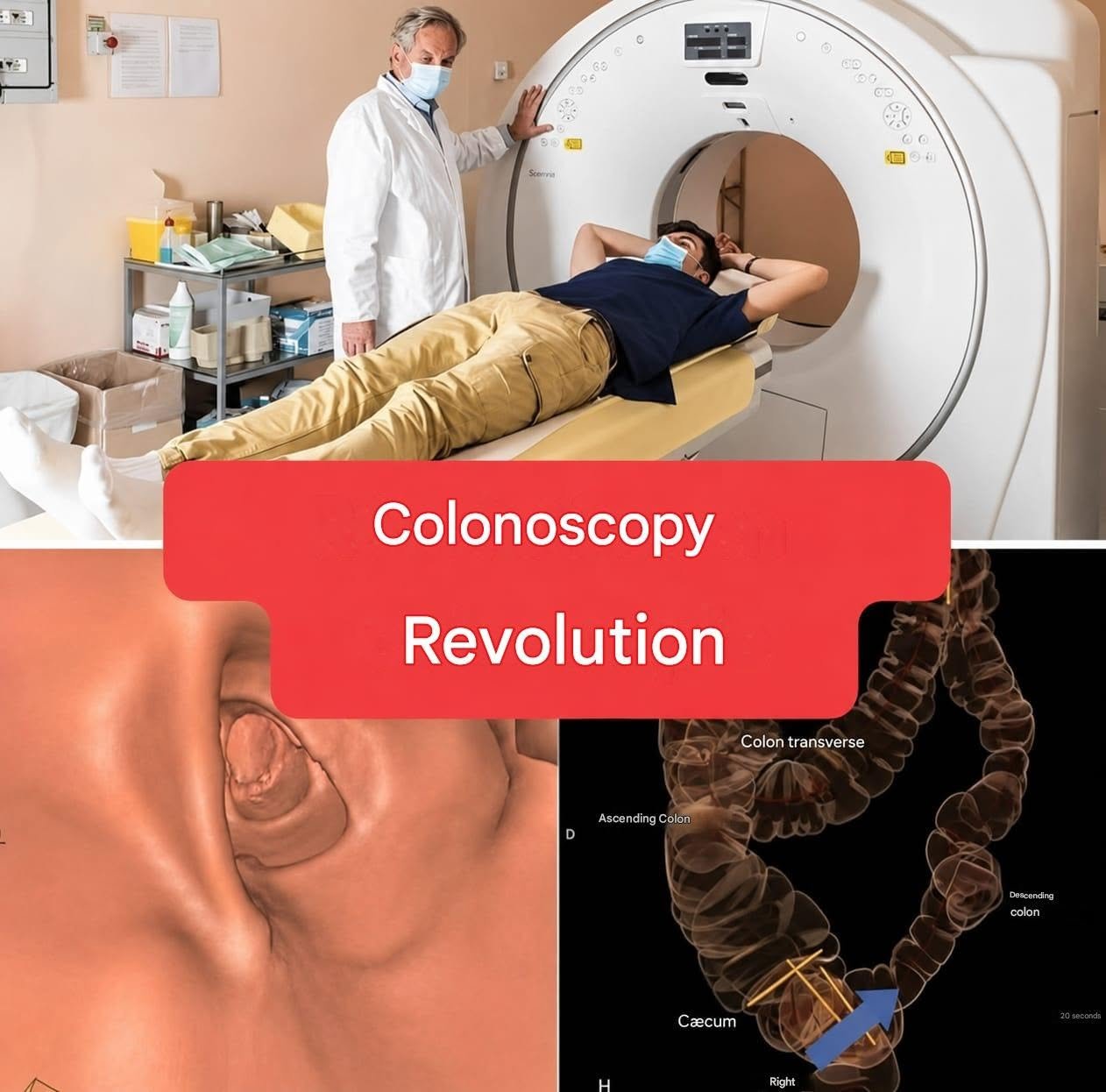
While a traditional colonoscopy remains the gold standard for examining the entire large intestine and removing precancerous polyps in a single procedure, the landscape of colorectal cancer screening has evolved rapidly. Newer, non-invasive screening alternatives have made detection far more accessible for patients who want to avoid the preparation and procedure of a standard optical colonoscopy.
These alternatives generally fall into a few key categories:
-
Blood-Based Biomarker Tests (e.g., Shield): FDA-approved blood tests detect circulating tumor DNA (ctDNA) shed by colorectal lesions. While they offer incredible convenience—requiring just a standard blood draw during a routine checkup—they are typically recommended every three years and serve as a screening tool rather than a replacement for diagnostic or therapeutic intervention.
-
Advanced At-Home Stool Tests (e.g., Cologuard Plus, Next-Gen Microbiome/RNA Tests): Modern multi-target stool DNA and RNA tests analyze stool samples for cellular changes and microbial patterns linked to cancer. Recent breakthroughs utilizing AI to map gut microbiome signatures have also shown high sensitivity in flagging markers without invasive steps.
-
Virtual Colonoscopy (CT Colonography): A specialized, low-dose CT scan creates 3D images of the colon. While it still requires bowel preparation, it avoids sedation and the physical insertion of a colonoscope, though any suspicious polyps found still require a follow-up traditional colonoscopy for removal.
The Clinical Caveat: While these non-invasive options are fantastic for routine screening—vastly improving compliance rates—they are fundamentally diagnostic catch-nets. If a non-invasive blood, stool, or virtual test returns a positive result, a standard, invasive colonoscopy is still required to investigate, biopsy, or remove polyps.
