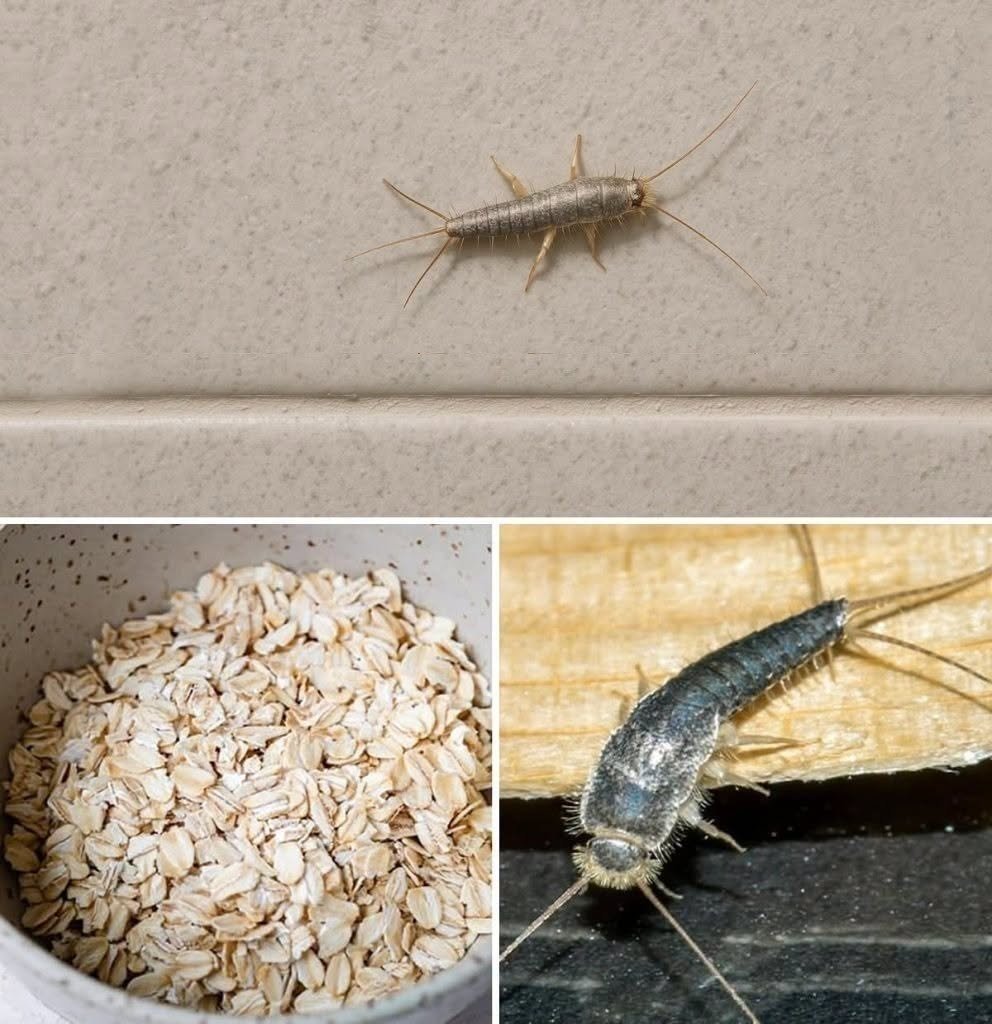
When pest control sites and clickbait articles use an ominous warning like “Warning! If you have found this insect (silverfish) in your home, it’s a sign that you need to…” they are setting up a classic fear-based hook. They want you to panic, imagine your house is infested with a dangerous pathogen spreader, and immediately buy expensive chemical extermination services.
In reality, spotting a silverfish in your home is not a sign of an impending health disaster. It is simply a sign of normal indoor humidity and dark, quiet spaces.
The Reality of Silverfish
Silverfish (Lepisma saccharina) are small, wingless, silver-grey insects with a distinctive teardrop shape and wiggly, fish-like movement.
-
Harmless to Humans: Silverfish do not bite, do not sting, do not transmit diseases, and are completely non-venomous. They pose zero direct risk to human or pet health.
-
What They Actually Eat: Silverfish are scavengers that feed on starches, complex carbohydrates, and proteins. This means they occasionally chew on items containing cellulose, starch, or glue—such as old books, wallpaper paste, cardboard boxes, or cotton and linen fabrics stored in damp places.
What Clickbait Warnings Exaggerate
Sensationalized articles routinely manufacture panic around common household bugs:
-
The “Toxic Infestation” Myth: Clickbait headlines imply that silverfish are crawling vectors of disease that will overrun your living spaces overnight. In reality, silverfish are shy, nocturnal creatures that avoid light and humans, preferring to hide in dark, moisture-rich microenvironments like bathrooms, basements, or under sinks.
-
Pushing Panic Buying: Fear-based pest articles often try to sell toxic chemical foggers or expensive whole-house treatments for a single bug.
Practical, Evidence-Based Steps to Manage Silverfish
If you spot a silverfish, you don’t need a medical emergency response—you just need basic environmental management. Silverfish require high humidity (usually 70% or higher) to survive and reproduce.
-
Reduce Indoor Humidity: Run a dehumidifier or exhaust fan in damp areas like bathrooms, laundry rooms, and basements.
-
Eliminate Food Sources: Store dry goods (like flour, oats, or pet food) in airtight glass or plastic containers, and keep paper goods and old cardboard boxes off damp basement or garage floors by using plastic storage bins.
-
Seal Cracks and Crevices: Vacuum regularly and seal minor wall cracks or baseboard gaps where they like to hide during the day.
The Bottom Line
Finding a silverfish in your home is not a sign of a health crisis or a filthy house; it’s simply a reminder that a corner of your home has a bit too much moisture. Lowering humidity and clearing out unused paper clutter will naturally resolve the issue—no clickbait panic required.
