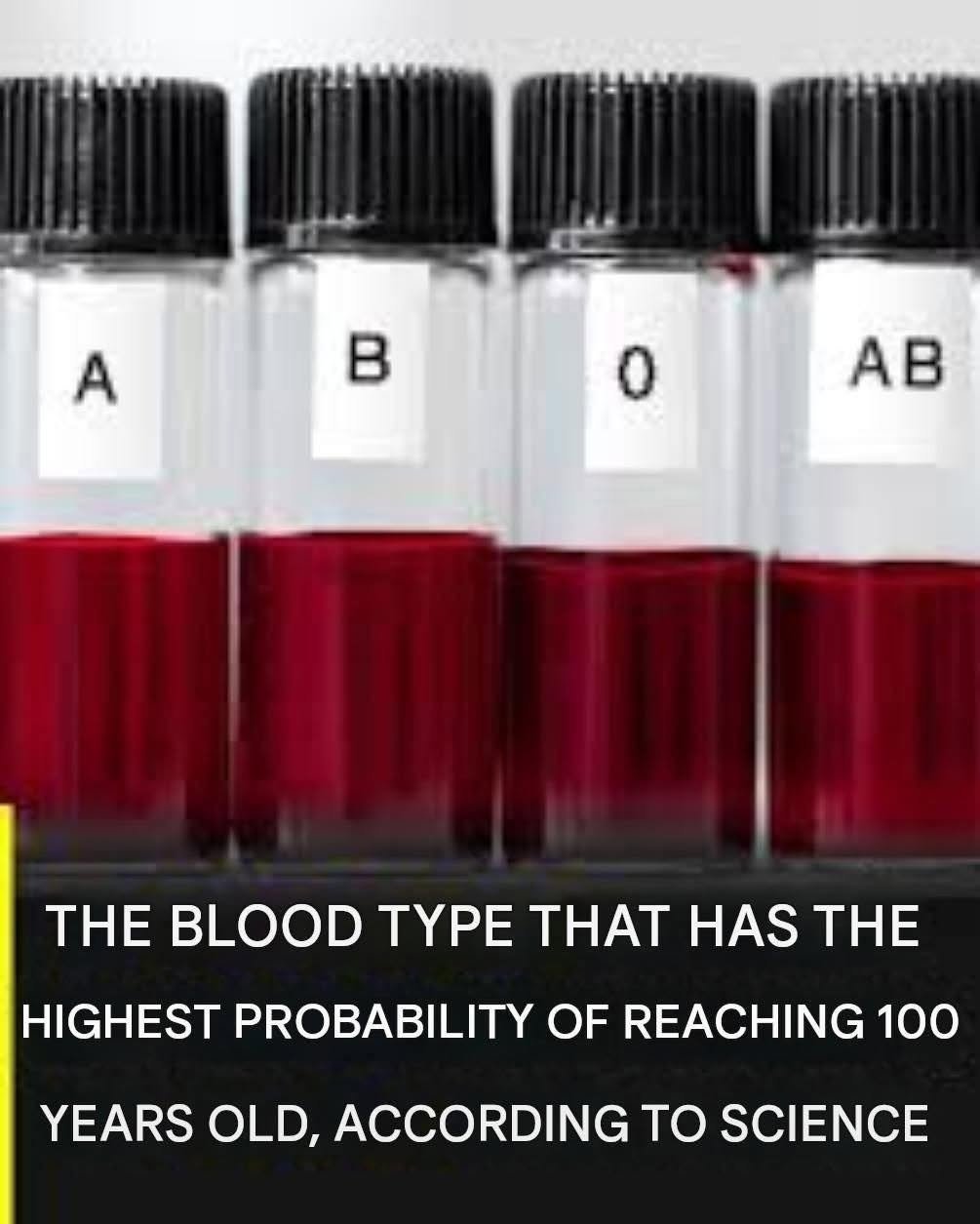
When sensationalized health and wellness clickbait flashes headlines like “People with this blood type are more likely to live to 100 years old,” they love to tease a biological silver bullet. They want you to believe that your genetic blood classification (A, B, AB, or O) acts as a secret VIP pass to a century of life, rendering your daily lifestyle choices practically secondary.
From a clinical hematology, biogerontology, and epidemiological perspective, your ABO blood type does have minor statistical correlations with certain health risks, but it is not a determining factor for living to 100. Exceptional longevity (centenarian status) is governed by a complex matrix of genetics, metabolic resilience, and environmental factors—not a single blood group.
The Reality Behind Blood Types and Health Risks
Why do blood type myths pop up so frequently in longevity discussions?
-
Surface Antigens and Disease Susceptibility: Your blood type is defined by the presence or absence of specific carbohydrate antigens (A and B) on the surface of your red blood cells. Large epidemiological studies have noted minor statistical variations in how different blood types process certain conditions. For example, individuals with non-O blood types (A, B, AB) statistically show a slightly higher prevalence of cardiovascular markers like clotting factors, while type O individuals have occasionally shown marginally different susceptibilities to certain gastrointestinal infections.
-
Correlation vs. Causation: Observing that a population of centenarians contains a certain distribution of blood types does not mean the blood type caused their longevity. Blood types are distributed differently across global populations and ethnic groups, making broad proclamations about a “longevity blood type” scientifically inaccurate.
-
The Real “100-Year-Old Blood” Markers: When long-term clinical studies (such as extensive Swedish biomarker research tracking thousands of participants over decades) look at the actual blood of people who reach 100, they don’t look at ABO blood groups at all. Instead, they look at metabolic biomarkers—such as lower lifetime levels of glucose, uric acid, creatinine, and optimal liver/kidney function panels measured decades prior.
What Actually Drives Exceptional Longevity?
Instead of relying on genetic luck regarding your blood group, clinical gerontology highlights the lifestyle and physiological systems that truly influence health span and lifespan:
-
1. Metabolic Stability and Low Inflammation: Centenarians consistently demonstrate an ability to keep systemic inflammation and metabolic stress (like blood sugar dysregulation) under tight control as they age.
-
2. Cardiovascular and Endothelial Health: Maintaining flexible blood vessels, healthy blood pressure, and robust microcirculation protects vital organs from premature wear and tear.
-
3. Skeletal Muscle Preservation: Avoiding functional decline and sarcopenia through regular movement and adequate protein distribution keeps the body physically resilient against falls and metabolic decline.
Evidence-Based Longevity Habits
While you cannot change your ABO blood type, you have immense influence over the biological markers that actually dictate how well and how long you live:
-
Prioritize Metabolic Health: Focus on whole, nutrient-dense foods, balanced macronutrients, and regular physical activity to keep fasting glucose and inflammatory markers within optimal ranges.
-
Cultivate Cardiovascular Fitness: Engage in consistent aerobic and resistance training to support endothelial health, blood flow, and muscular strength.
-
Manage Chronic Stress and Sleep: Protect your circadian rhythm and prioritize restorative sleep, allowing your body’s cellular repair and immune-modulating pathways to function at their peak.
