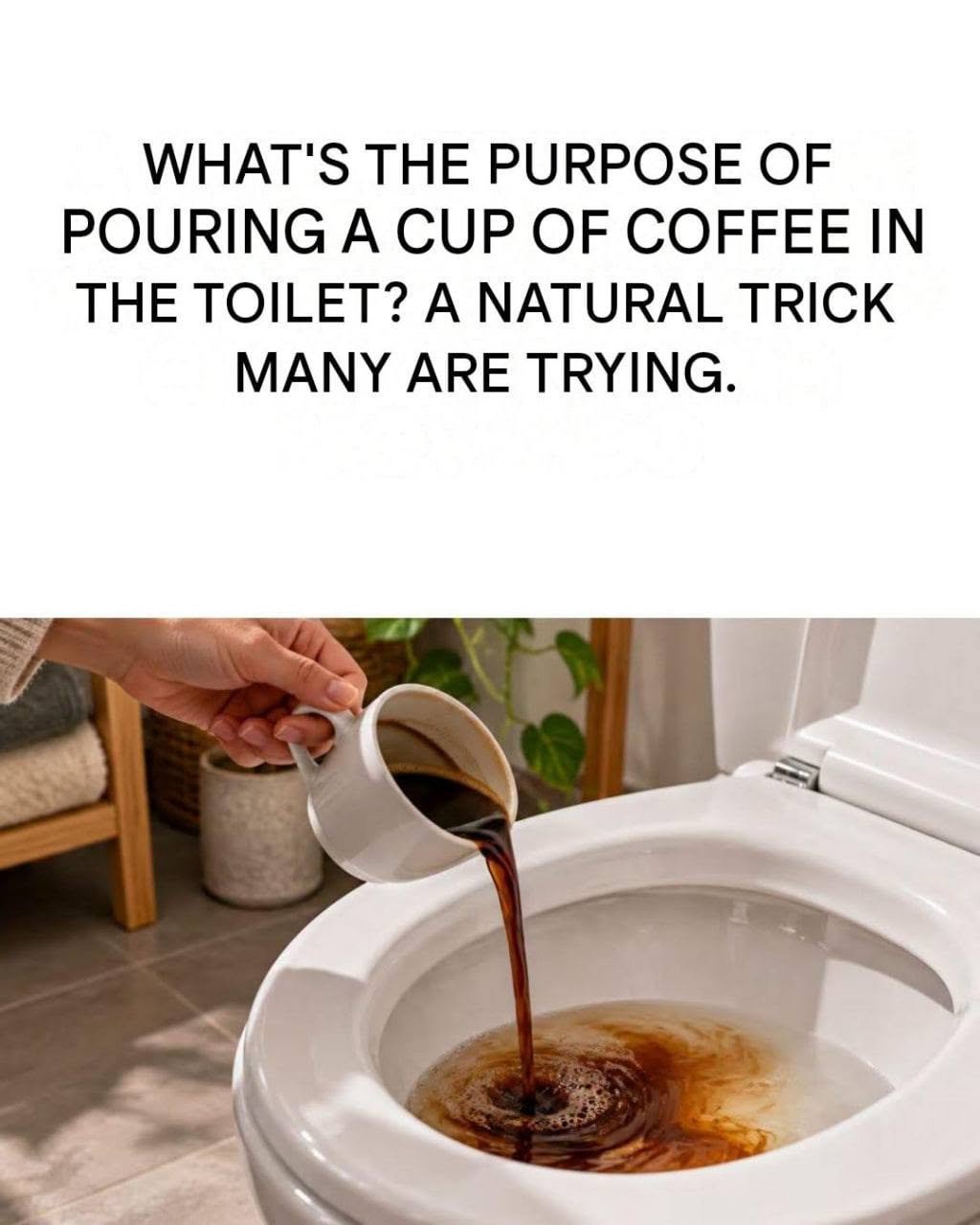
When viral home-maintenance and plumbing clickbait flashes headlines like “Pouring a cup of coffee down the toilet is a natural remedy that’s become popular online,” they love to frame quirky kitchen hacks as miraculous solutions for household troubles. They want you to believe that dumping leftover morning brew into your porcelain bowl will instantly scour away stains, eliminate odors, or magically clear stubborn clogs.
From a plumbing, sanitation, and wastewater management perspective, pouring leftover coffee down the toilet is generally harmless in moderation, but it falls far short of being an effective cleaning remedy. Understanding what coffee actually does to your plumbing and what real maintenance requires cuts through the internet folklore.
The Reality Behind the “Coffee in the Toilet” Trend
Why do online life-hacks suggest pouring coffee down the drain?
-
The Aroma Masking Illusion: Coffee possesses strong, volatile aromatic compounds that temporarily overpower bathroom odors, leading creators to claim it “freshens” the bowl or plumbing lines. However, it simply masks smells rather than neutralizing bacterial or mineral sources of odor.
-
Acidity vs. Mineral Stains: Coffee is mildly acidic (typically ranging from pH 4.8 to 5.1). While internet folklore suggests this acid dissolves hard water rings or mineral deposits, the brief contact time of poured liquid is nowhere near strong enough to break down calcified toilet rings compared to dedicated descaling agents.
-
The Septic and Wastewater Factor: Black coffee is mostly water and organic plant matter. In small amounts, it poses no threat to municipal sewage systems or well-functioning septic tanks. However, pouring coffee grounds or sweetened, milky coffee down any drain introduces unnecessary organic debris and sugars that can fuel bacterial growth or attract pests in pipes over time.
What Coffee Actually Does in Your Plumbing
When people try this viral trick, here is how reality compares to the online hype:
-
1. No Structural Cleaning Power: Because coffee lacks surfactants, bleaching agents, or mechanical abrasives, it will not lift stubborn organic waste or scrub away hard water scale.
-
2. Potential Residue Build-up: If you pour leftover coffee that contains creamer, milk, or sugar down the toilet or sink, the fats and sugars cling to pipe walls, encouraging biofilm and residue accumulation over time.
-
3. A Temporary Scent Mask: It provides a pleasant roasted aroma for a few minutes, but does nothing to sanitize the bowl or address the root cause of bathroom odors.
Evidence-Based Plumbing and Bathroom Maintenance
If you want to keep your toilets sparkling and your plumbing running smoothly without relying on internet gimmicks, focus on proven maintenance strategies:
-
Use Targeted Cleaning Agents: For mineral rings and biological stains, rely on EPA-approved toilet bowl cleaners containing hydrochloric acid or hydrogen peroxide that cling to porcelain and break down deposits effectively.
-
Scrub Mechanically: A standard toilet brush combined with a mild abrasive cleaner remains the most reliable method for removing physical buildup from the water line.
-
Keep Drains Clear: Reserve toilets and drains strictly for their intended purposes; avoid disposing of grease, food waste, coffee grounds, or heavy organic loads that can compromise your plumbing traps or septic ecosystem.
