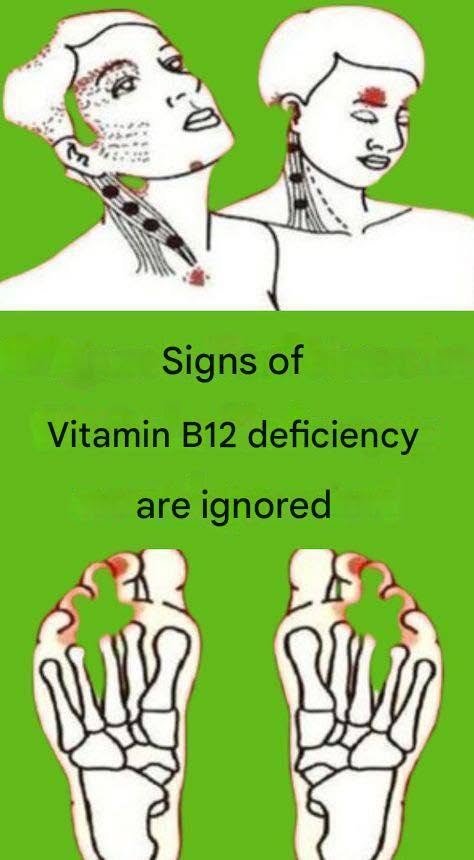
Vitamin B12 (cobalamin) is an essential micronutrient required for two fundamental physiological processes: DNA synthesis during red blood cell production and the maintenance of the myelin sheath that insulates and protects nerve fibers.
Because the liver stores a substantial reserve of B12, a deficiency typically develops slowly over months or years. Early warning signs are often subtle, non-specific, and frequently dismissed as ordinary fatigue or signs of aging. However, ignoring these early physiological indicators can lead to irreversible neurological damage and severe hematological complications.
Here is an objective, science-based breakdown of the primary signs of B12 deficiency and the mechanics behind them:
1. Neurological Signs: Paresthesia and Balance Issues
-
The Mechanism: B12 serves as a required cofactor for the enzyme that produces myelin—the protective fatty coating surrounding your peripheral nerves. Without adequate B12, demyelination occurs, impairing electrical signal transmission along nerve pathways.
-
The Clinical Sign:
-
Paresthesia: A chronic “pins and needles” sensation, burning, or numbness in the hands, feet, or toes.
-
Ataxia: Lapses in balance or unsteady walking (gait instability), caused by damaged sensory nerves in the legs that relay spatial position back to the brain.
-
2. Hematological Signs: Megaloblastic Anemia and Unexplained Fatigue
-
The Mechanism: Vitamin B12 works in tandem with folate (Vitamin B9) to synthesize thymidine, a building block of DNA. When B12 is deficient, red blood cells in the bone marrow cannot divide normally. They grow abnormally large (macrocytosis) and fail to mature, resulting in megaloblastic anemia.
-
The Clinical Sign:
-
These oversized red blood cells cannot enter the bloodstream efficiently or carry oxygen effectively to body tissues.
-
Patients experience persistent, heavy fatigue, muscle weakness, shortness of breath during mild exertion, and pale or slightly yellowish skin (jaundice caused by the breakdown of fragile, abnormal red blood cells).
-
3. Oral and Gastrointestinal Signs: Glossitis and Mouth Ulcers
-
The Mechanism: Tissues with high cell turnover rates—such as the epithelial lining of the tongue and oral cavity—are particularly vulnerable to impaired DNA synthesis.
-
The Clinical Sign:
-
Atrophic Glossitis: The tongue becomes swollen, beefy red, smooth, and painful due to the loss of tiny surface bumps (papillae).
-
Recurrent angular cheilitis (painful cracking at the corners of the mouth) and persistent aphthous ulcers (canker sores).
-
4. Cognitive and Mood Alterations
-
The Mechanism: B12 deficiency leads to an accumulation of homocysteine and methylmalonic acid (MMA) in the central nervous system. High levels of these compounds exert neurotoxic effects and disrupt the synthesis of key neurotransmitters like serotonin and dopamine.
-
The Clinical Sign: Irritability, mood swings, brain fog, subtle memory lapses, or difficulty concentrating. In severe, long-term deficiency, it can mimic early cognitive decline or depression.
High-Risk Groups
Vitamin B12 cannot be synthesized by the body and must be acquired through animal-derived foods (meat, fish, eggs, dairy) or fortified products. Absorption requires a specialized stomach protein called intrinsic factor. Higher-risk populations include:
-
Strict Vegans and Vegetarians: Due to low dietary intake of unfortified animal products.
-
Older Adults (Over 60): Age-related decline in stomach acid production (atrophic gastritis) impairs the body’s ability to separate B12 from food proteins.
-
Individuals with GI Disorders or Previous Surgeries: Conditions like Crohn’s disease, celiac disease, gastric bypass, or long-term use of metformin or proton pump inhibitors (PPIs like omeprazole) significantly reduce B12 absorption.
Clinical Diagnostics and Action
If you suspect a B12 deficiency, a simple blood test measuring serum B12, along with serum Methylmalonic Acid (MMA) and Homocysteine (which are more sensitive markers for early cellular deficiency), can confirm the diagnosis.
Treating B12 deficiency early—via oral high-dose supplements or intramuscular injections—typically resolves hematological and early neurological symptoms completely before permanent nerve damage occurs.
