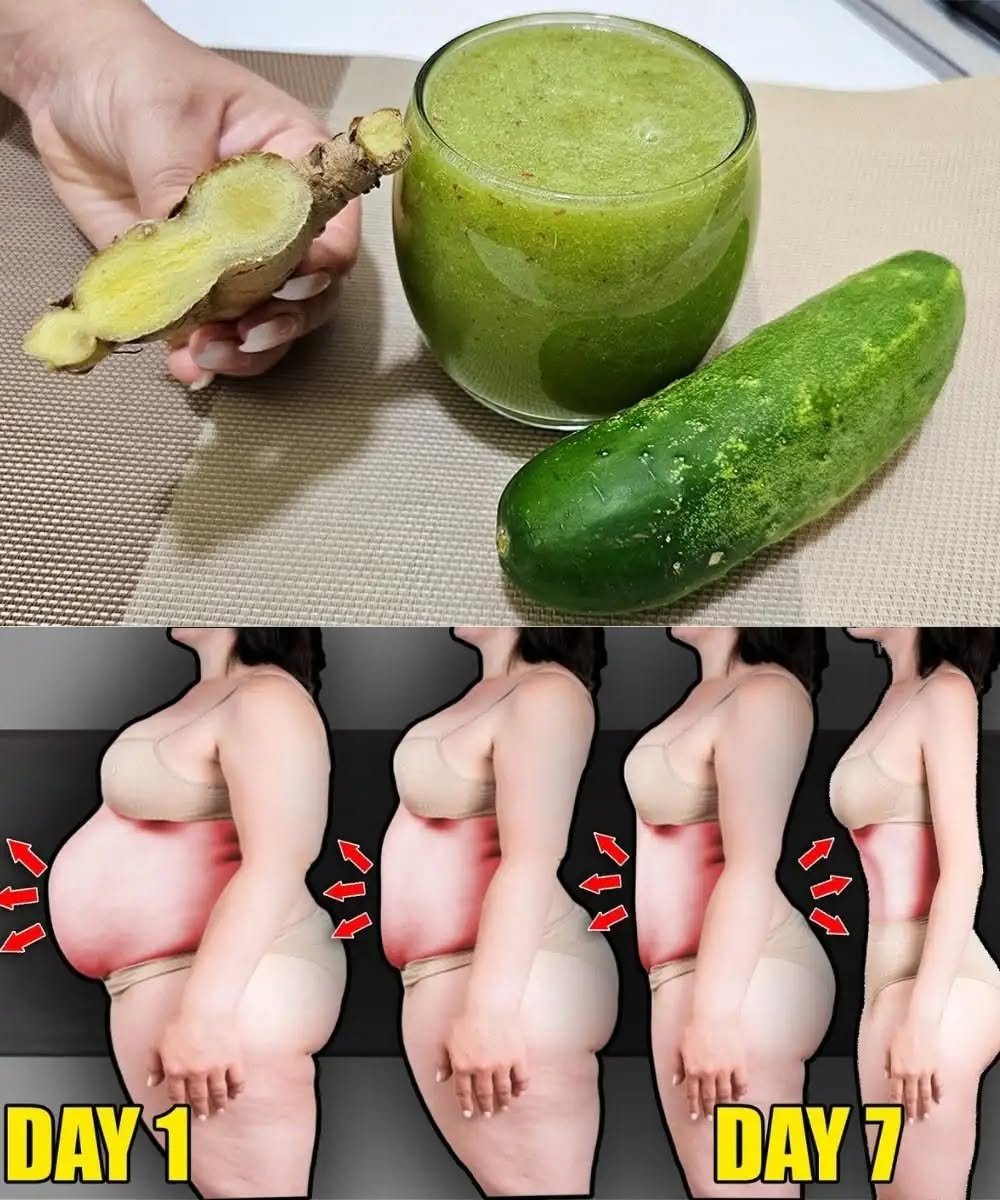
While these drinks can be healthy additions to your routine, the claim that they are stronger than pharmaceutical weight-loss drugs is entirely false.
Here is an evidence-based look at what these natural drinks actually can—and cannot—do for your body:
What These Natural Drinks CAN Do
1. Provide Soluble Fiber for Satiety
-
The Mechanism: Ingredients like oats are rich in beta-glucan, a soluble fiber that absorbs water in the stomach and turns into a thick gel.
-
The Result: This gel slows down gastric emptying (the rate at which food leaves your stomach), helping you feel fuller for longer after drinking it. This extra fullness can naturally make it easier to avoid mid-morning snacking or overeating at your next meal.
2. Blunt Post-Meal Blood Sugar Spikes
-
The Mechanism: Soluble fiber (from oats or apples) and active compounds in cinnamon help slow down the absorption of carbohydrates into the bloodstream.
-
The Result: Keeping your blood sugar steady prevents the sharp glucose spikes and subsequent “crashes” that often trigger intense sugar cravings.
3. Support Hydration and Digestive Health
-
The Mechanism: Mixing whole plant foods with water, lemon/lime, or cucumber increases your daily fluid intake and provides prebiotic fiber.
-
The Result: Staying well-hydrated prevents your brain from confusing thirst with hunger, while fiber promotes regular bowel movements and a healthy gut microbiome.
4. Serve as a Lower-Calorie Meal Replacement
-
The Mechanism: Blending ½ cup of rolled oats with water and lime yields around 150 calories.
-
The Result: If someone replaces a 500-calorie sugary coffee or heavy breakfast sandwich with a 150-calorie fiber drink, they create a 350-calorie daily deficit. That calorie deficit—not a magical fat-burning property in the drink—is what drives weight loss.
What These Natural Drinks CANNOT Do
1. They Do NOT Mimic GLP-1 or GIP Hormones
-
The Reality: Prescription medications like Ozempic and Mounjaro directly bind to GLP-1 (and GIP) receptors in the brain, pancreas, and stomach. They chemically reset your brain’s appetite baseline, suppress “food noise” at a neurological level, and slow digestion for hours.
-
Natural fiber drinks simply expand mechanically in the stomach; they do not alter brain chemistry or hormone signaling in a way that compares to GLP-1 agonists.
2. They Cannot Match Clinical Weight Loss
-
The Reality: In clinical trials, Tirzepatide (Mounjaro/Zepbound) yields an average of 15% to 20%+ total body weight loss, while Semaglutide (Ozempic/Wegovy) yields 10% to 15%.
-
Natural fiber drinks cannot match these clinical results. Any rapid weight loss seen in the first week of an “oat drink challenge” is primarily water weight and gut contents, not sustained adipose (fat) tissue loss.
3. They Do NOT “Target” Visceral or Belly Fat
-
The Reality: Spot-reduction of fat is a biological impossibility. No natural ingredient (whether lime juice, cinnamon, ginger, or vinegar) selectively burns belly fat. Fat loss occurs systemically across the whole body when a consistent caloric deficit is maintained over time.
Potential Risks of Replacing Meals with Fiber Drinks
-
Protein & Nutrient Deficiencies: An oat-and-water drink provides almost zero protein, healthy fats, or essential vitamins. Using it to replace real meals routinely can lead to muscle loss (which slows your metabolism long-term), fatigue, and nutrient gaps.
-
Digestive Distress: Sudden, massive jumps in fiber intake without building up gradually can cause severe bloating, gas, and abdominal cramping.
The Bottom Line
If you enjoy an oat smoothie or ginger-lemon tonic, it can be a nourishing, high-fiber, hydrating addition to your diet. However, calling it “stronger than Ozempic” is a marketing gimmick. Real, lasting weight management comes from a sustainable calorie deficit, rich protein intake, strength exercise, and adequate sleep.
