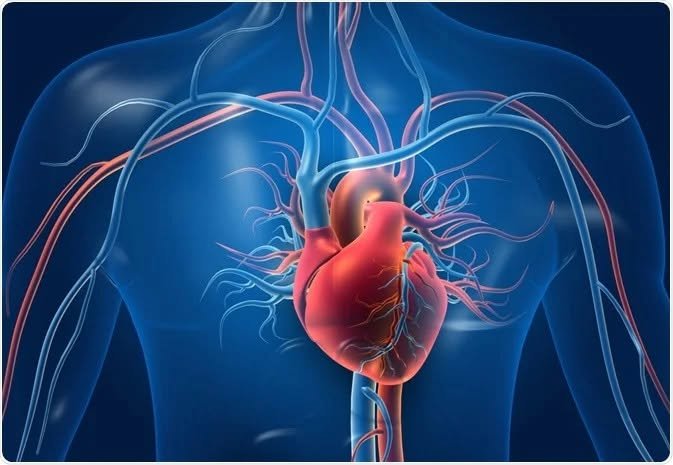
Heart failure does not mean the heart has stopped working entirely; rather, it means the heart muscle has become weakened or stiffened and can no longer pump blood efficiently enough to meet the body’s metabolic demands.
Because the heart is failing to circulate blood forward effectively, fluid begins to back up into the lungs and peripheral tissues. Recognizing the early warning signs of this progressive decline is essential for slowing its progression and protecting cardiac function.
Here is an objective, science-based breakdown of the early symptoms of a failing heart:
1. Progressive Exertional Dyspnea (Shortness of Breath)
-
The Mechanism: When the left ventricle fails to pump blood out efficiently, blood backs up into the pulmonary veins and capillaries. This increased pressure forces fluid out of the vessels and into the air sacs (alveoli) of the lungs, impairing oxygen exchange.
-
The Clinical Sign: Breathlessness during routine physical activities that previously felt easy, such as climbing a single flight of stairs, carrying groceries, or walking across a room.
2. Pitting Edema (Swelling in the Lower Extremities)
-
The Mechanism: As the heart’s pumping capacity drops, blood flow to the kidneys decreases. The kidneys respond by retaining sodium and water to expand blood volume. Simultaneously, venous blood pools in the lower body due to gravity, forcing fluid into surrounding tissues.
-
The Clinical Sign: Swelling in the ankles, feet, calves, or lower abdomen. Pressing a finger into the swollen skin leaves a temporary indentation (pitting edema), and socks or shoes may feel unusually tight by the end of the day.
3. Chronic Fatigue and Muscle Weakness
-
The Mechanism: To compensate for a weak heart, the body instinctively redirects blood away from less critical areas—such as skeletal muscles and the skin—to prioritize the brain and heart.
-
The Clinical Sign: Persistent, heavy exhaustion that does not resolve with adequate sleep, making routine daily tasks or minor exertion feel overwhelming.
4. Orthopnea and Paroxysmal Nocturnal Dyspnea (Sleep-Related Breathing Discomfort)
-
The Mechanism: When lying flat, fluid that accumulated in the lower limbs during the day is reabsorbed into the bloodstream, increasing total circulating volume and overwhelming a weak heart, which rapidly worsens fluid backup in the lungs.
-
The Clinical Sign:
-
Orthopnea: Needing to sleep propped up on two or more pillows, or in a recliner, to breathe comfortably.
-
Paroxysmal Nocturnal Dyspnea: Suddenly waking up 1 to 2 hours after falling asleep gasping for air or feeling suffocated, often requiring you to sit up or walk to a window to catch your breath.
-
5. Persistent Dry, Hacking Cough or Wheezing
-
The Mechanism: Chronic fluid congestion in the lungs irritates the bronchial airways and surrounding tissues, triggering a persistent, non-productive cough that sometimes produces pink, blood-tinged sputum.
-
The Clinical Sign: A nagging cough or wheezing that worsens when lying down or during physical activity, frequently mistaken for a lingering cold, asthma, or bronchitis.
6. Rapid or Irregular Heartbeat (Palpitations)
-
The Mechanism: To make up for a weak stroke volume (less blood pumped per beat), the heart beats faster to maintain adequate blood flow to the body. Additionally, structural strain on heart tissue can trigger electrical rhythm disturbances like Atrial Fibrillation.
-
The Clinical Sign: A sensation that your heart is racing, pounding, fluttering, or skipping beats, often accompanied by lightheadedness or dizziness.
7. Unexplained Weight Gain and Abdominal Bloating
-
The Mechanism: Fluid retention caused by failing cardiac and renal output can cause rapid, unexplained increases in total body weight over a short period. Fluid can also back up into the liver and gut, causing congestion in the abdomen.
-
The Clinical Sign: Gaining 2 to 3 pounds or more within a couple of days, accompanied by a feeling of fullness, nausea, loss of appetite, or a swollen, tender abdomen.
When to Seek Medical Attention
If you or a loved one experience persistent shortness of breath, sudden swelling in the legs, or waking up gasping for air, consult a primary care physician or a cardiologist promptly for a proper evaluation, which typically includes an echocardiogram to assess heart function. If these symptoms are accompanied by sudden, severe chest pain, fainting, or acute respiratory distress, call emergency services immediately.
