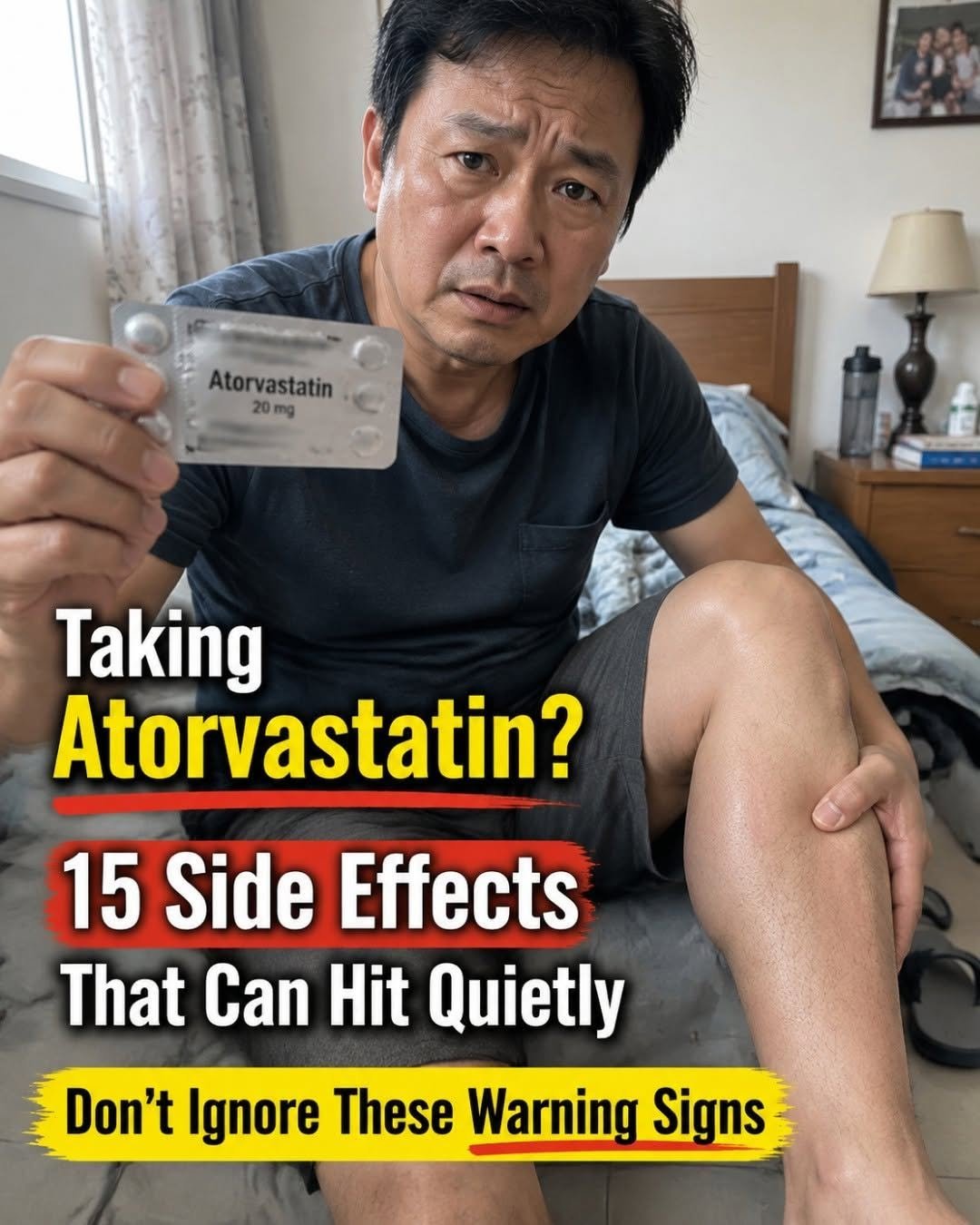
Atorvastatin is a cornerstone medication prescribed worldwide to manage lipid levels, reduce low-density lipoprotein (LDL) cholesterol, and protect the cardiovascular system against plaque buildup, heart attacks, and strokes.
While millions tolerate statin therapy exceptionally well, it is a potent metabolic agent. Beyond well-known concerns like severe muscle breakdown, many patients experience more subtle, low-grade physical shifts that are easily overlooked or misattributed to aging or stress.
Here is a closer look at 15 subtle side effects associated with atorvastatin:
1. Mild Muscle Tightness or Generalized Myalgia
Rather than acute, severe muscle damage, many users report a dull, persistent aching or a heavy feeling in large muscle groups, particularly the thighs, calves, and shoulders.
2. Unexplained Physical Fatigue
A persistent, low-grade drop in physical energy or stamina can occur, making routine daily activities feel slightly more draining even when sleep patterns remain unchanged.
3. Mild Gastrointestinal Irritation
The digestive lining can occasionally react to the medication, resulting in intermittent nausea, mild bloating, gas, or indigestion, especially during the initial weeks of treatment or after a dose increase.
4. Fluctuating Bowel Habits
As lipid-lowering therapy alters systemic metabolism, some patients notice subtle shifts in gut motility, alternating between mild bouts of constipation and loose stools.
5. Joint Aching and Stiffness (Arthralgia)
Beyond muscle soreness, a nagging stiffness or mild discomfort can occasionally affect smaller joints like the fingers, wrists, or knees, mimicking early inflammatory joint wear.
6. Mild Tension Headaches
When first initiating therapy or adjusting dosage levels, some individuals experience dull, lingering tension headaches as the body’s vascular and metabolic systems adapt.
7. Transient Lightheadedness
Occasional, fleeting bouts of dizziness can occur if the medication causes minor fluctuations in blood pressure or autonomic regulation.
8. Sleep Disruption and Vivid Dreams
Statins can subtly influence central nervous system chemistry, leading some patients to report difficulty staying asleep, fragmented sleep architecture, or unusually intense, vivid dreams.
9. Subtle Brain Fog or Focus Lapses
While major cognitive impairment is rare, some individuals report short-term mental cloudiness, word-finding difficulty, or mild lapses in concentration during long-term use.
10. Asymptomatic Liver Enzyme Elevation
Because atorvastatin is processed through the liver, it can occasionally cause a mild, temporary rise in liver transaminases (ALT/AST). Because this is usually symptomless, routine blood work is used to monitor it.
11. Minor Upward Drift in Blood Sugar
Statins can subtly impact insulin sensitivity over time, sometimes resulting in a minor, gradual increase in fasting glucose or A1c levels, particularly in individuals prone to metabolic syndrome.
12. Nasal Congestion or Sinus Irritation
A small percentage of patients experience mild upper-respiratory symptoms resembling a lingering, low-grade cold or non-allergic rhinitis.
13. Dry Skin Itching or Minor Rash
A localized dry itchiness or mild skin irritation can occasionally manifest as an allergic hypersensitivity to the active compound or inactive filler ingredients.
14. Fleeting Peripheral Paresthesia
In uncommon cases, long-term statin therapy can affect small peripheral nerve endings, causing brief, mild tingling or “pins and needles” sensations in the fingertips or toes.
15. Prolonged Exercise Recovery
Because statins influence cellular energy pathways and muscle repair mechanisms, you might notice that your muscles require an extra day or two to recover fully after a strenuous workout.
Navigating Symptoms Safely
If you notice any of these subtle effects while taking atorvastatin, never stop your medication abruptly, as doing so can trigger a rapid rebound in cholesterol levels and increase cardiovascular risk. Instead, consult your physician or cardiologist. They can easily review your routine lab work, adjust your dosage, alter the timing of your dose, or explore alternative management options to protect your heart while keeping you comfortable.
