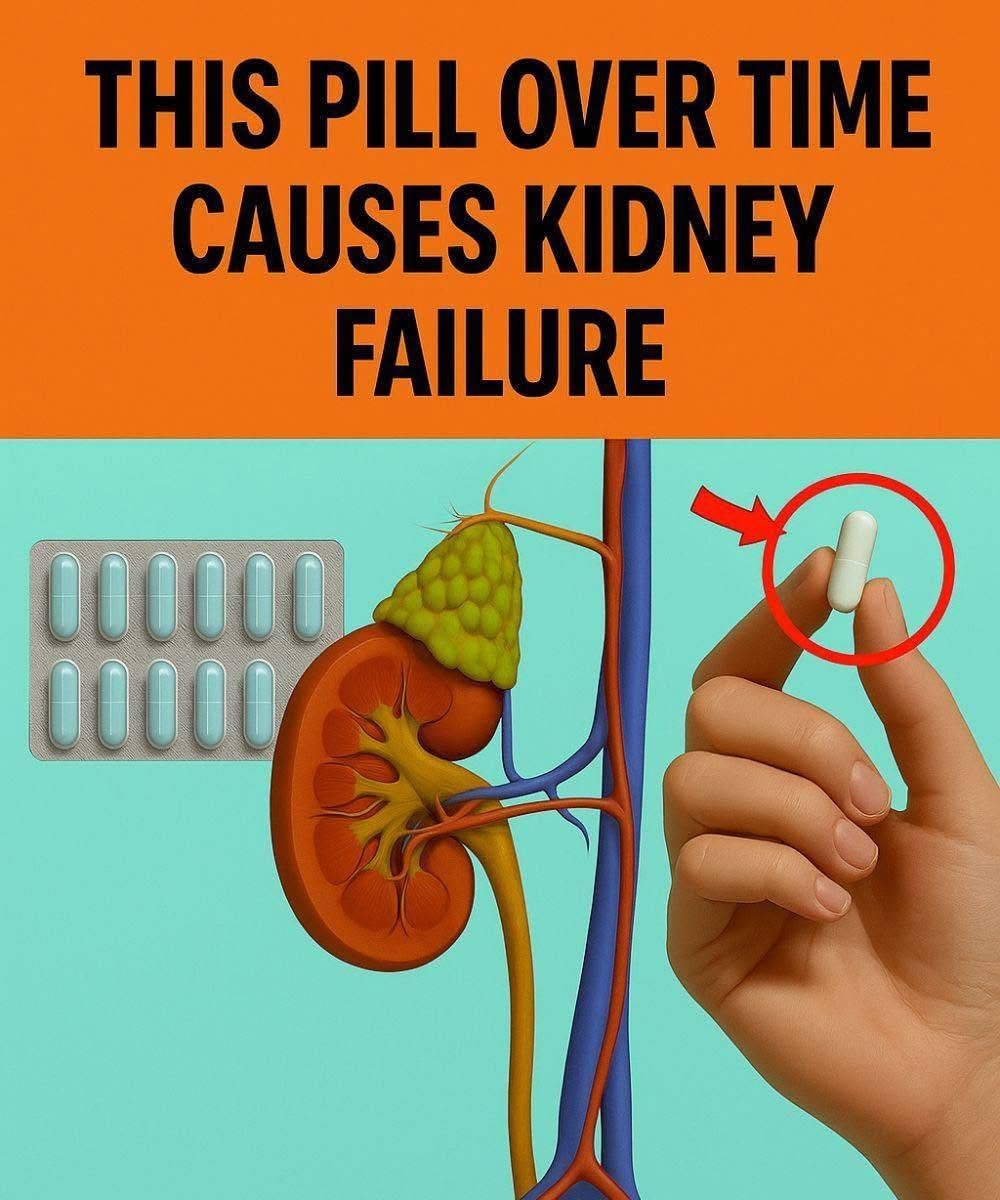
When sensationalized health warnings flash headlines like “Taking this could be affecting your kidneys, consult your doctor!” without naming the specific substance, they rely on anxiety to grab attention. In clinical practice, however, protecting your renal health is about personalized context, routine monitoring, and open communication with your physician rather than blanket panic.
Why Clinical Context Matters Most
Your kidneys are exceptionally resilient filters, but their vulnerability to any medication, supplement, or lifestyle habit depends entirely on individual factors:
-
Your Baseline Renal Function: A stable eGFR (estimated glomerular filtration rate) and normal creatinine levels mean your kidneys are filtering efficiently.
-
Hydration Status: Well-hydrated kidneys process medications and waste products with far less strain than dehydrated ones.
-
Duration and Dosage: Taking an occasional over-the-counter pain reliever for a headache is entirely different from daily, long-term high-dose use.
How to Partner Effectively with Your Doctor
If you are ever unsure whether a prescription drug, over-the-counter remedy, or daily supplement is placing extra work on your kidneys, a proactive clinical review is the safest and most empowering step:
-
Bring a Complete List: Include every prescription medication, over-the-counter painkiller, vitamin, and herbal supplement you take during your next visit.
-
Ask Targeted Questions:
-
“Are any of the medications I am taking currently monitored by routine metabolic panels?”
-
“Is my current dosage optimized for my kidney function?”
-
-
Never Stop Critical Medications Unilaterally: Medications prescribed for vital conditions—such as blood pressure control, diabetes management, or heart health—protect your organs overall. Always consult your physician before altering or stopping them.
Are you reviewing a specific supplement or medication with your healthcare provider, or looking for ways to keep your routine wellness labs on track?
