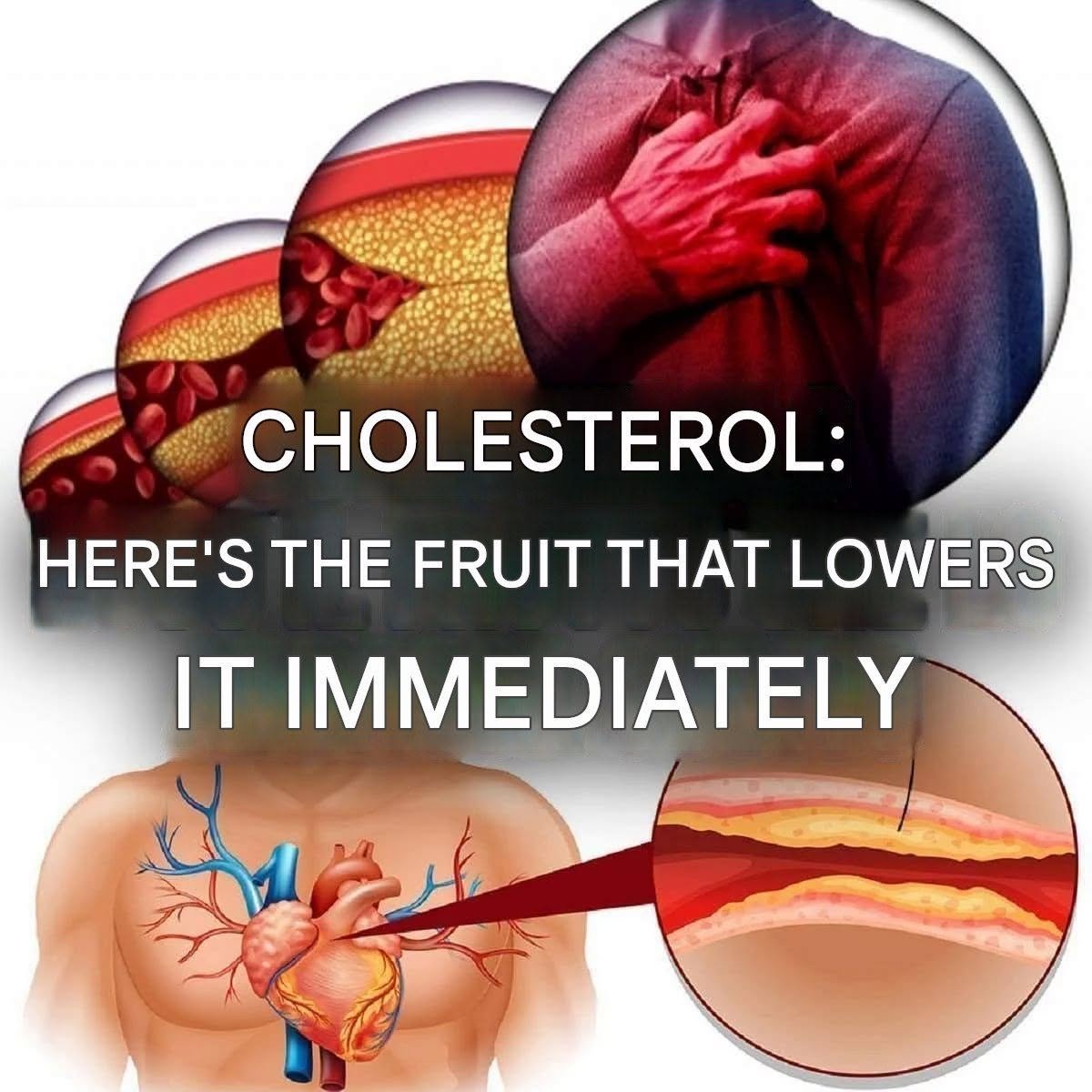
When clickbait wellness headlines tease “the fruit with incredible properties that controls blood pressure, lowers cholesterol and much more!”—leaving you hanging on a dramatic cliffhanger—they are usually hyping up an ordinary piece of produce as if it were a miraculous pharmaceutical drug.
The underlying nutritional reality is much more grounded, though genuinely impressive: fruits like apples, berries, citrus, and avocados (yes, botanically a fruit) contain powerful soluble fibers, antioxidants, and potassium that genuinely support cardiovascular and metabolic health. But no single fruit is a magic bullet that can single-handedly override an unhealthy lifestyle.
Let’s strip away the clickbait hype and look at the actual science behind what certain everyday fruits can—and cannot—do for your health.
The Real Superstars: Which Fruits Do What?
Instead of looking for one magical fruit, medical research points to specific fruits that excel in distinct areas of cardiovascular and metabolic support:
-
For Blood Pressure (Potassium and Nitrate Powerhouses):
-
The Contenders: Bananas, pomegranates, citrus fruits, and berries.
-
How it Works: Potassium helps your kidneys rid your body of excess sodium through urine while easing tension in your blood vessel walls. Pomegranate juice and citrus fruits also contain compounds that support nitric oxide production, helping arteries remain flexible and dilated.
-
-
For Lowering Cholesterol (Soluble Fiber Champions):
-
The Contenders: Apples, pears, citrus (especially grapefruit and oranges), and avocados.
-
How it Works: These fruits are rich in pectin and other soluble fibers. In your digestive tract, soluble fiber binds to cholesterol molecules and bile acids, carrying them out of your body before they can be reabsorbed into your bloodstream. Avocados also bring heart-healthy monounsaturated fats to the table, which help optimize your HDL-to-LDL cholesterol ratio.
-
-
For Blood Sugar and Metabolic Balance (Low Glycemic Index):
-
The Contenders: Berries (raspberries, blackberries, blueberries) and tart cherries.
-
How it Works: Packed with polyphenols and fiber, berries cause a slow, gentle rise in blood sugar rather than a sharp spike, making them ideal for metabolic health and insulin sensitivity.
-
The Reality Check: What Fruit Can’t Do
While incorporating a variety of colorful fruits into your daily diet is a cornerstone of evidence-based health, it is important to keep expectations realistic:
-
They Aren’t Replacements for Medication: If you have clinical hypertension or severely high, genetically driven cholesterol, eating an apple or drinking pomegranate juice daily is a fantastic supportive habit, but it cannot replace prescribed medical treatments.
-
Quantity and Context Matter: Fruit contains natural sugars (fructose). Eating excessive amounts—especially in liquid form (like juices stripped of fiber)—can still spike triglycerides and blood sugar. Whole fruits eaten with their skin (where applicable) provide the crucial fiber that makes all the difference.
The Takeaway
You don’t need to hunt down an elusive, exotic “miracle fruit” advertised online. The most powerful fruits for your heart, blood pressure, and cholesterol are already sitting in the produce aisle: berries, apples, citrus, and avocados. Eating a diverse, colorful mix of whole fruits every day gives your body a potent dose of nature’s best medicine.
