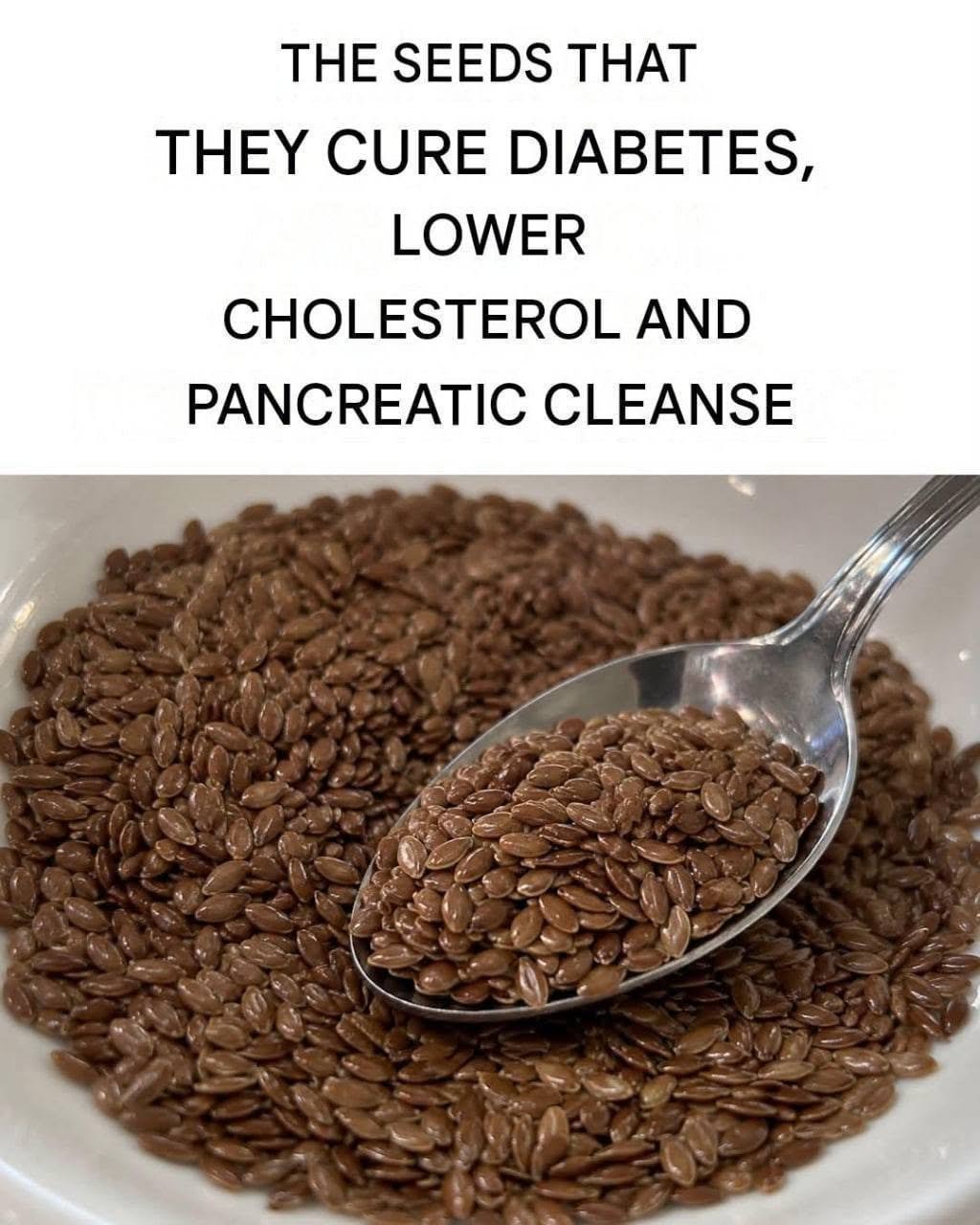
While viral online wellness claims frequently attribute miraculous, organ-rebuilding properties to a single “secret seed” (most commonly chia seeds, flaxseeds, or black cumin/nigella seeds), clinical physiology reveals a more nuanced picture. No single seed can magically “rebuild” the pancreas or cure metabolic disease on its own.
However, specific nutrient-dense seeds provide potent biochemical mechanisms that heavily support pancreatic beta-cell protection, steady blood sugar control, and sustained cellular energy.
Biological Mechanisms: How Therapeutic Seeds Support Metabolism
1. Viscous Soluble Fiber & Glycemic Blunting (Chia & Flaxseeds)
-
Mechanism: Seeds rich in soluble mucilage (particularly chia and ground flax) form a thick gel matrix in the gastrointestinal tract. This gel physically slows gastric emptying and delays the enzymatic breakdown of carbohydrates into free glucose.
-
Metabolic Impact: Prevents sharp postprandial glucose spikes, reducing the acute secretory burden and oxidative stress on insulin-producing pancreatic beta cells.
2. Antioxidant Protection Against Pancreatic Beta-Cell Apoptosis (Sesame & Flaxseeds)
-
Mechanism: Seeds contain high concentrations of polyphenols, lignans (such as secoisolariciresinol diglucoside in flax), and unique compounds like sesamin in sesame seeds.
-
Metabolic Impact: These compounds neutralize reactive oxygen species (ROS) and systemic inflammation that otherwise damage delicate pancreatic tissue and impair insulin output.
3. Sustained Cellular Energy via Healthy Lipids & Magnesium
-
Mechanism: Packed with alpha-linolenic acid ($\text{ALA}$—a plant-based omega-3 fatty acid) and dense minerals like magnesium, seeds optimize cellular membrane fluidity and improve tissue insulin sensitivity.
-
Metabolic Impact: Enhanced insulin sensitivity allows glucose to enter cells efficiently for cellular energy production (ATP synthesis via the Krebs cycle) rather than remaining trapped in the bloodstream or storing as visceral fat.
Seed Comparison Matrix
| Seed Variety | Primary Bioactive Compounds | Core Metabolic Target | Clinical Benefit |
| Chia Seeds | Soluble mucilage fiber & $\text{ALA}$ omega-3s | Gastric transit & glucose absorption | Flattens blood sugar curves and prolongs satiety. |
| Flaxseeds (Ground) | Secoisolariciresinol diglucoside (lignans) | Insulin sensitivity & inflammation | Protects cells from oxidative stress and improves glycemic control. |
| Black Cumin (Nigella sativa) | Thymoquinone | Pancreatic beta-cell preservation | Studied for mild hypoglycemic effects and cellular protection. |
| Sesame Seeds | Sesamin and sesamolin | Hepatic and pancreatic oxidative stress | Lowers lipid peroxidation and protects metabolic organs. |
Safe Seed Incorporation Protocol
To see how these tiny powerhouses affect your daily vitality, you might enjoy this helpful breakdown: THIS Seed REBUILDS Your Pancreas & LOWERS Blood Sugar FAST. This video explores the nutritional science behind seed-based components and how they interact with metabolic pathways.
