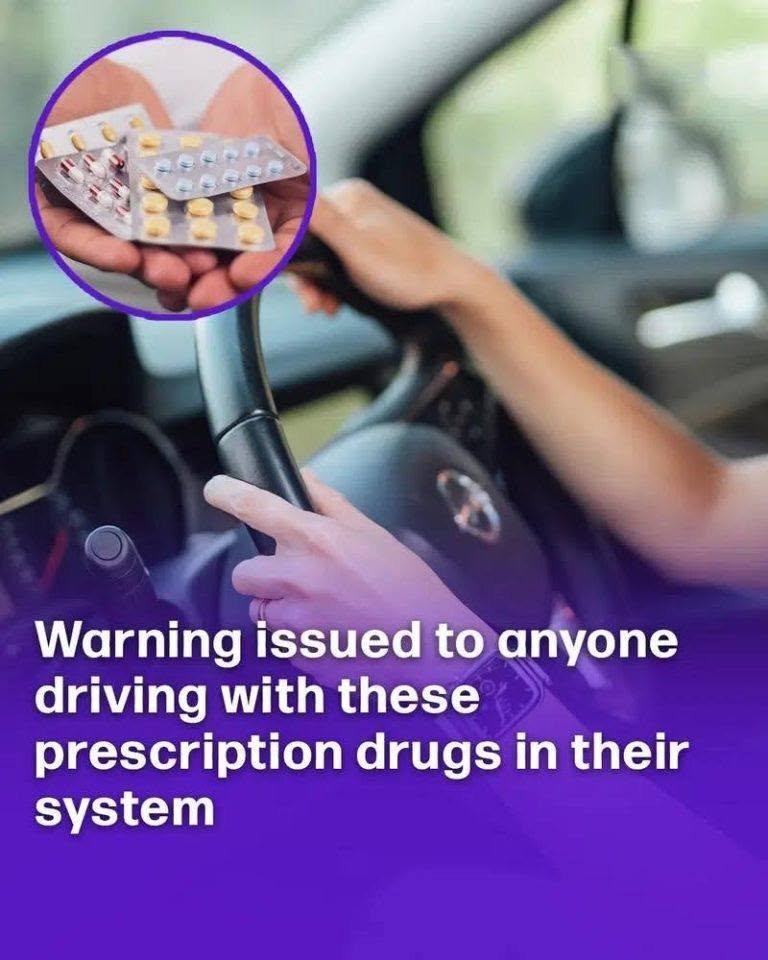
Many people are surprised to learn that driving under the influence applies to legal, prescribed medications just as strictly as it does to alcohol or illicit substances.
In various jurisdictions (such as under strict drug-driving laws in the UK and growing awareness worldwide), authorities enforce specific legal blood-concentration limits for certain prescription medications. Being caught over these limits—or being deemed “unfit to drive” due to impairment—can result in severe penalties, including hefty fines, criminal records, and mandatory driving bans.
Common Prescription Categories That Impact Driving Safety
-
Benzodiazepines & Sedatives (e.g., Diazepam, Clonazepam, Lorazepam, Temazepam)
-
Why: Prescribed for anxiety, panic disorders, or insomnia. They cause drowsiness, slow reaction times, and impair cognitive judgment.
-
-
Opioids and Strong Painkillers (e.g., Codeine, Morphine, Tramadol, Fentanyl)
-
Why: Used for chronic or acute pain management. They can induce sedation, dizziness, and delayed responses.
-
-
Certain Antidepressants and Antipsychotics
-
Why: Many psychiatric medications cause drowsiness, lower alertness, or affect motor coordination, particularly during the initial adjustment phase or when dosages are modified.
-
-
Certain Amphetamines and ADHD Medications (e.g., Dexamfetamine, Methylphenidate)
-
Why: While used to treat focus and alertness conditions, high doses or combinations with other substances can lead to erratic driving behavior or over-stimulation followed by fatigue.
-
-
Muscle Relaxants and Sleep Aids
-
Why: Designed explicitly to depress the central nervous system, drastically reducing reflex speed.
-
The Crucial Legal Distinction for Prescription Drugs
In legal frameworks that set limits for prescription drugs, a medical defense usually applies if:
-
The medication was legally prescribed to you.
-
You were taking it in accordance with your doctor’s instructions or the information leaflet.
-
It was not impairing your driving ability.
However, if the medication is causing impairment—or if you exceed specified blood limits without a valid prescription—you can be prosecuted for drug-driving. Law enforcement agencies increasingly utilize roadside screening tools and blood tests to check for both illicit and prescription compounds.
How to Protect Yourself and Stay Safe
-
Check the Warning Labels: Always look for warning icons on pharmacy packaging (such as car/steering wheel warning symbols or “do not operate heavy machinery” advisories).
-
Consult Your Doctor or Pharmacist: Whenever you start a new prescription—or if your dosage is changed—explicitly ask: “Is it safe for me to drive while taking this?”
-
Give Your Body Time to Adjust: Many medications cause the most intense drowsiness or cognitive fog during the first few days. Avoid driving until you know how a drug uniquely affects your alertness and reaction time.
