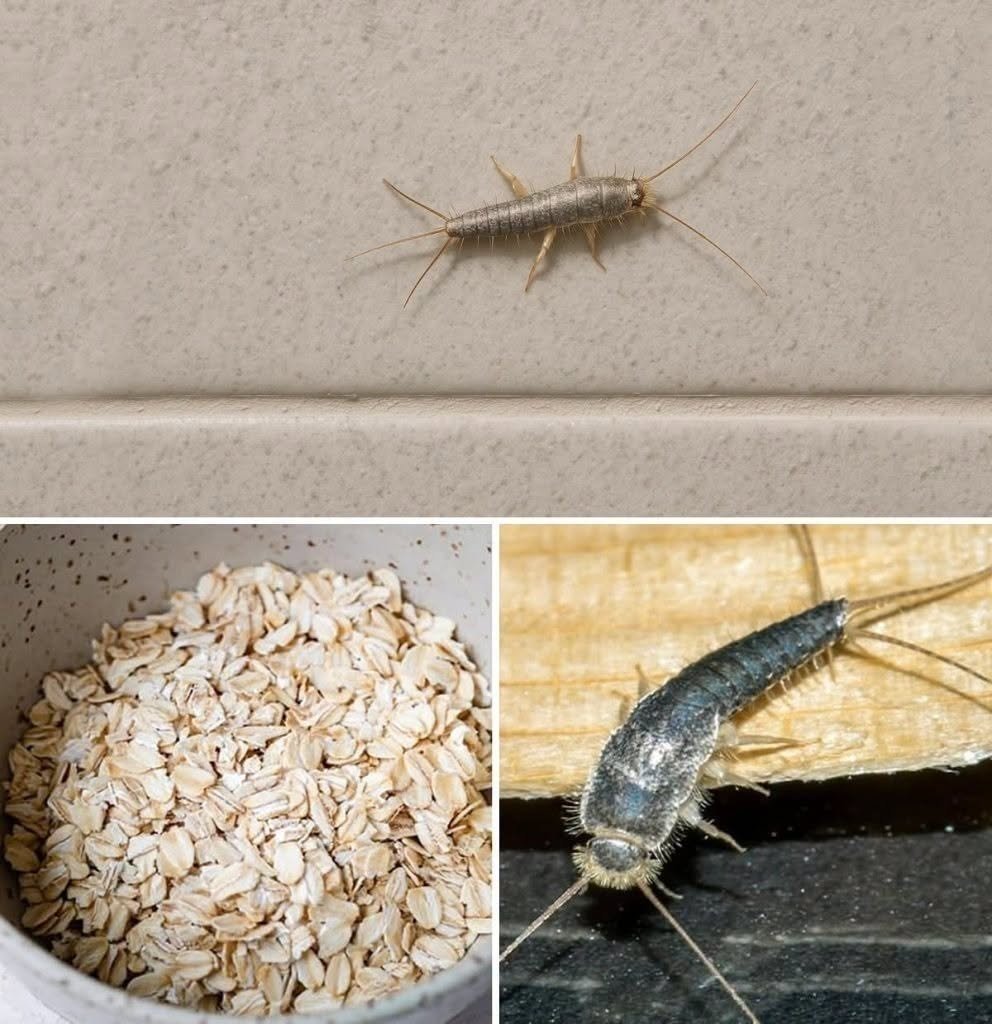
When sensational pest control blogs and clickbait home-maintenance articles shriek, “Warning! If you have found this insect (silverfish) in your home, it’s a sign that you need to…” they frame a common, harmless household bug as a terrifying harbinger of structural doom or severe disease.
The underlying entomological and domestic reality is much less dramatic: silverfish (Lepisma saccharina) do not bite, do not carry diseases, and do not infest food like pantry pests. They are ancient, wingless insects that are simply attracted to three things: high humidity, darkness, and starches. Spotting one in a damp bathroom or basement is less of an emergency warning and more of a gentle heads-up about your home’s moisture levels.
An evidence-based look at what silverfish actually are—and what their presence really means—helps separate pest-control panic from practical home care.
1. What Silverfish Actually Are (And What They Eat)
Silverfish are nocturnal, fast-moving insects easily recognized by their metallic, silvery-grey scales and undulating, fish-like movement.
-
Their Diet: They feed on carbohydrates, specifically starches and complex sugars. This includes paper, book bindings, wallpaper paste, glue, starch-sized cotton, and occasionally crumbs in neglected corners.
-
What They Don’t Do: They are entirely harmless to humans and pets. They won’t bite you, they don’t sting, and they aren’t venomous.
2. What Their Presence Actually Tells You (The Real “Warning”)
When you see a silverfish, it is not a sign of poor hygiene or an impending structural collapse. It is a biological indicator of moisture management issues.
-
Humidity Requirements: Silverfish require a high relative humidity (usually 70% or higher) to survive and reproduce. If your home is dry, silverfish cannot thrive.
-
Where They Hide: Finding them in a bathroom, laundry room, basement, or under a leaky sink simply means they have found a damp microclimate with access to condensation or minor water seepage.
3. Practical, Evidence-Based Steps to Control Them
If you want to reduce or eliminate silverfish populations, ignore expensive chemical foggers or panic-inducing sprays and focus on environmental control:
-
Lower the Humidity: Run a dehumidifier in damp basements or crawlspaces, and ensure high-moisture areas (like bathrooms) are properly ventilated with exhaust fans during and after showers.
-
Fix Leaks and Moisture Sources: Inspect under sinks, around water heaters, and near windows for slow leaks or condensation buildup.
-
Seal Their Food Sources: Store dry goods, paper documents, or archived books in airtight plastic bins rather than cardboard boxes in damp areas.
-
Remove Clutter: Clear out damp piles of old cardboard, newspapers, or damp towels where silverfish love to nest and breed.
The Takeaway
Ignore the breathless warnings proclaiming that silverfish mean your house is overrun or unsafe. They are merely ancient, moisture-loving insects signaling that a dark, humid space in your home could use better ventilation or a dehumidifier.
