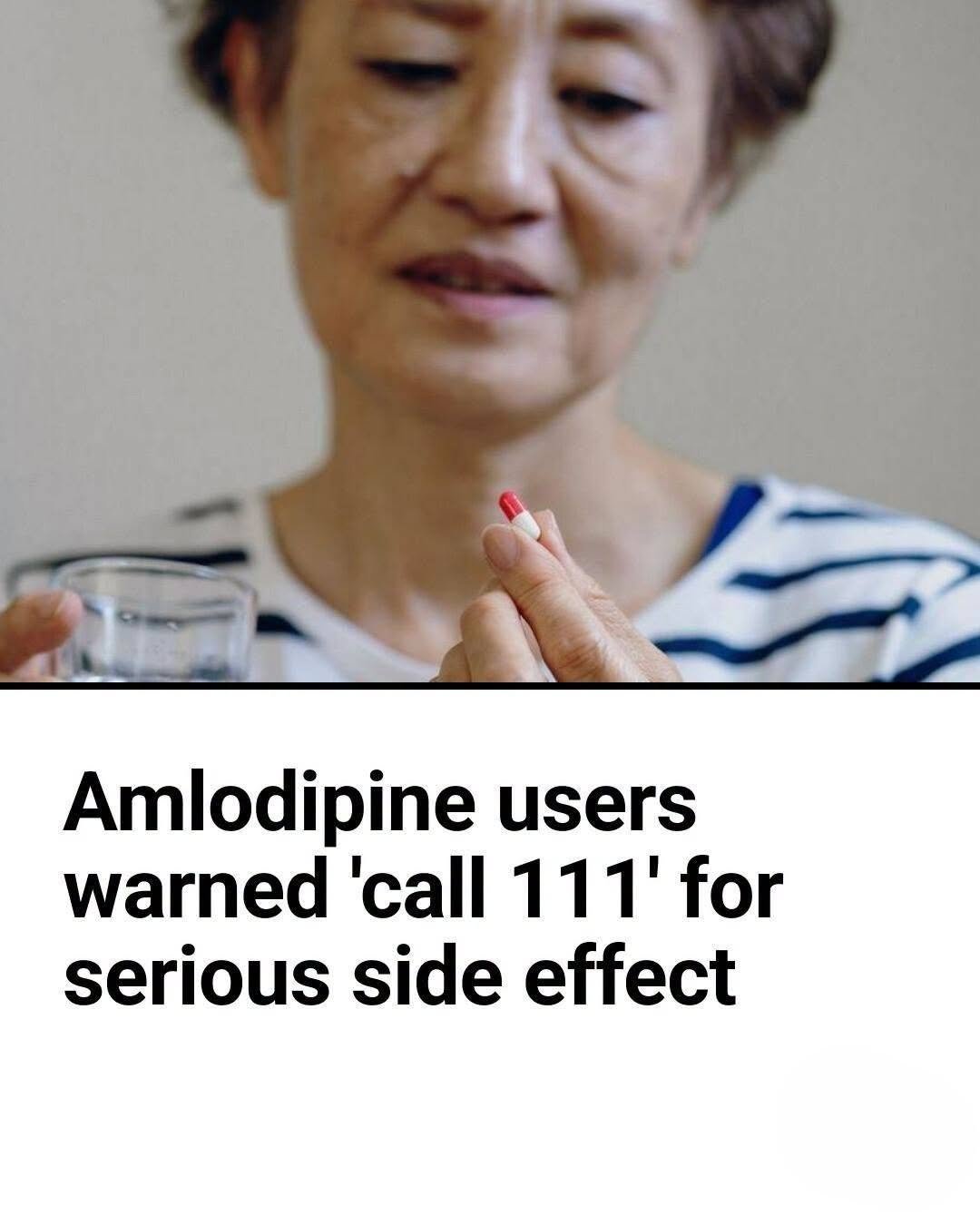
When health headlines warn that “Amlodipine users warned ‘call 111’ for serious side effect,” they tap into the acute anxiety that arises when routine, everyday prescription medications are suddenly associated with emergency medical intervention.
The underlying pharmacological and clinical reality is more measured: Amlodipine is a widely prescribed, safe, and effective calcium channel blocker used to manage hypertension and angina, but like all potent cardiovascular drugs, it carries specific side effect profiles. While common side effects (like mild ankle swelling) are harmless, sudden or severe symptoms can indicate adverse reactions that require immediate medical consultation.
An evidence-based look at what Amlodipine does—and which symptoms genuinely warrant urgent medical attention—helps separate routine medication management from actual emergencies.
What Amlodipine Does (The Pharmacology)
Amlodipine belongs to a class of medications called calcium channel blockers.
-
How It Works: It relaxes the smooth muscle in the walls of your blood vessels, causing them to widen (vasodilatation). This lowers your blood pressure and reduces the workload on your heart, making it easier to pump blood throughout the body.
-
Why Side Effects Occur: Because it dilates blood vessels system-wide, some of its side effects are direct mechanical consequences of that vascular widening.
Common vs. Serious Side Effects: Knowing the Difference
1. Common, Harmless Side Effects (No Emergency Needed)
-
Peripheral Edema (Ankle Swelling): This is the most frequent side effect, caused by fluid pooling in the lower extremities due to localized pressure changes in the blood vessels. While annoying, it is generally harmless and does not mean your heart is failing.
-
Mild Dizziness or Flushing: As your blood vessels relax and blood pressure adjusts, you may feel lightheaded when standing up quickly.
2. Serious Side Effects Requiring Urgent Medical Evaluation
While severe adverse reactions are rare, healthcare systems issue urgent advisory warnings (such as calling emergency medical lines like 111 in the UK or contacting your physician immediately) for symptoms that indicate cardiovascular strain or allergic reactions:
-
Severe Dizziness or Fainting (Syncope): If your blood pressure drops too precipitously, causing you to black out or feel profoundly faint.
-
Worsening Chest Pain (Angina): Paradoxically, in rare cases or when starting/adjusting a dose, blood pressure medications can trigger increased chest pain or even mimic a heart attack. Any sudden, severe, or crushing chest pain requires immediate emergency services (911 or local emergency numbers).
-
Rapid, Pounding, or Irregular Heartbeat (Palpitations): If your heart races noticeably to compensate for sudden drops in vascular resistance.
-
Signs of an Allergic Reaction: Sudden swelling of the face, lips, tongue, or throat, or severe difficulty breathing.
-
Severe Jaundice or Liver Strain: Though rare, signs of yellowing skin or eyes, dark urine, or unexplained right-upper-quadrant abdominal pain.
The Takeaway
Ignore the panic-inducing framing of sensational health alerts. Amlodipine is a reliable, life-saving medication for millions managing high blood pressure. However, understanding your body and knowing the red-flag symptoms—such as severe chest pain, sudden fainting, or rapid allergic swelling—ensures you can seek prompt medical guidance safely when needed.
