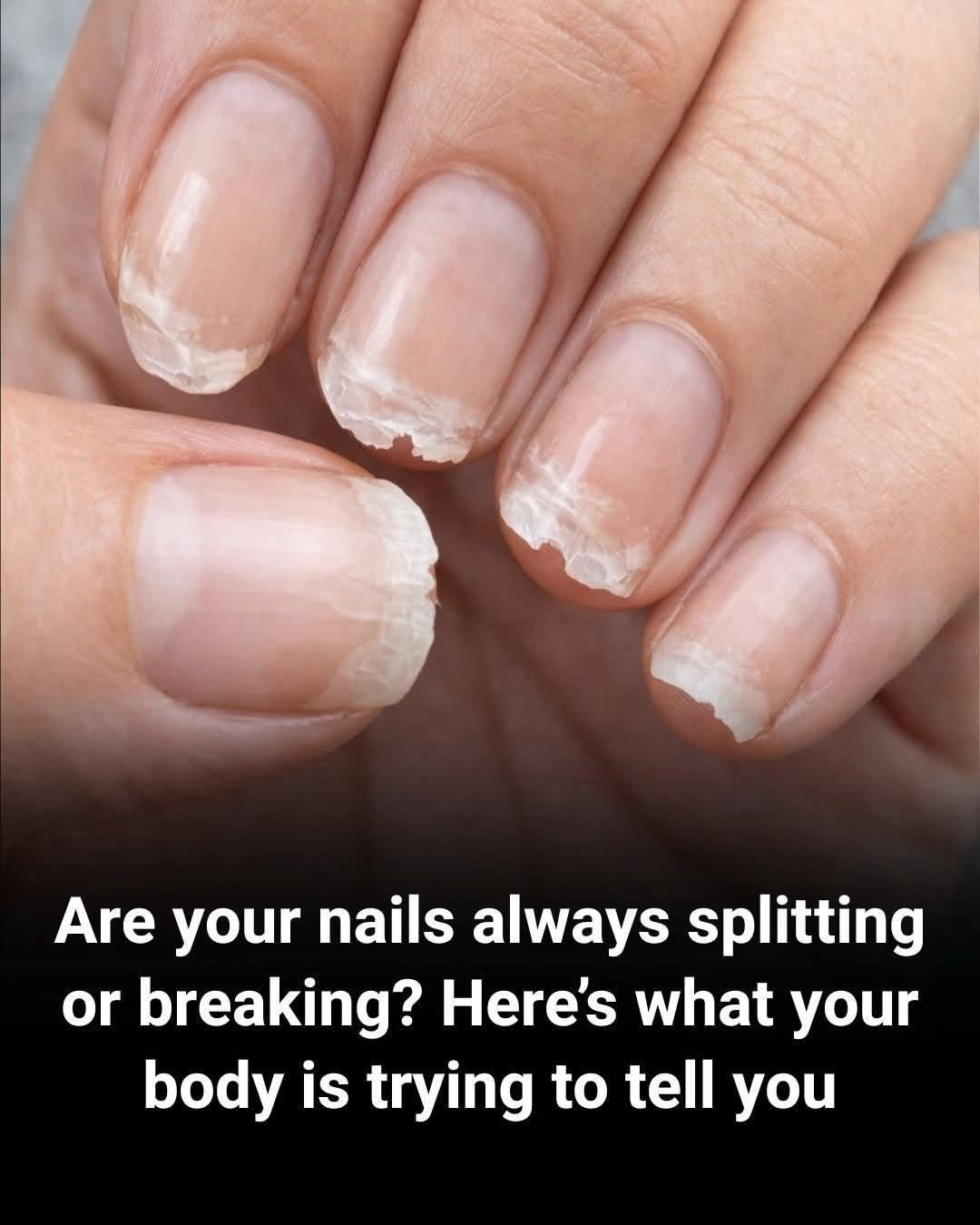
Weak, brittle, peeling, or splitting nails are often dismissed as a purely cosmetic nuisance or simply the result of frequent hand washing. However, dermatologists and clinical nutritionists view nails as diagnostic windows into your overall systemic health. Because nail plates are formed from specialized keratin proteins, any disruption in your internal nutritional status, hormonal balance, or circulation can quickly alter their growth and structural integrity.
Here is a breakdown of what weak or brittle nails are trying to tell you, the common underlying deficiencies, and how to restore their strength.
1. Nutritional Deficiencies
Keratin production relies on a steady supply of specific building blocks. When certain nutrients are lacking, nail growth slows and the bonds between protein fibers weaken:
-
Iron Deficiency (Anemia): Low iron or ferritin levels are a primary cause of brittle nails, and in more pronounced cases, can cause koilonychia—where nails become thin and concave, curling upward at the edges like a spoon.
-
Biotin (Vitamin B7) Insufficiency: Biotin is essential for cell proliferation and amino acid metabolism necessary for nail plate thickness. While true deficiency is rare, supplemental biotin is clinically proven to improve nail hardness in vulnerable individuals.
-
Zinc and Protein Deficiencies: Zinc is vital for cell division and tissue repair. Without adequate zinc and dietary protein, nails often develop white spots (leukonychia) or grow slowly with fragile, peeling edges.
2. Systemic and Hormonal Factors
Internal physiological shifts can abruptly alter nail texture and growth rates:
-
Thyroid Disorders: Both hypothyroidism (underactive thyroid) and hyperthyroidism slow down metabolic processes, leading to dry, brittle, slow-growing nails that easily crack or split.
-
Aging and Circulation: As we age, peripheral blood circulation naturally decreases, delivering fewer nutrients and less oxygen to the nail bed at your fingertips, resulting in longitudinal ridges and increased brittleness.
3. Environmental and External Stressors
Not all nail weakness is internal; daily habits can physically strip moisture and protective lipids from the keratin layers:
-
Chronic Moisture Exposure: Frequent hand washing, dishwashing without gloves, or prolonged immersion in water causes the nail plate to repeatedly expand and contract, breaking down its structural bonds.
-
Harsh Chemical Exposure: Frequent use of acetone-based nail polish removers, harsh cleaning solvents, or gel manicure removal processes strips the natural oils right out of the nail bed.
Actionable Steps to Strengthen Your Nails
-
Prioritize Nutrient-Dense Foods: Incorporate iron-rich foods (lean meats, leafy greens, lentils), biotin sources (eggs, nuts, seeds), and adequate high-quality protein into your daily diet.
-
Protect Hands During Chores: Always wear waterproof gloves when washing dishes or handling household cleaning chemicals.
-
Hydrate the Nail Bed: Massage natural oils (such as jojoba oil or sweet almond oil) into your cuticles and nail plates nightly to lock in moisture and prevent splitting.
Medical Note: If brittle nails persist despite improved nutrition and protective care—especially if accompanied by chronic fatigue, hair loss, or unexplained weight changes—consult your physician to check your iron panels and thyroid function.
