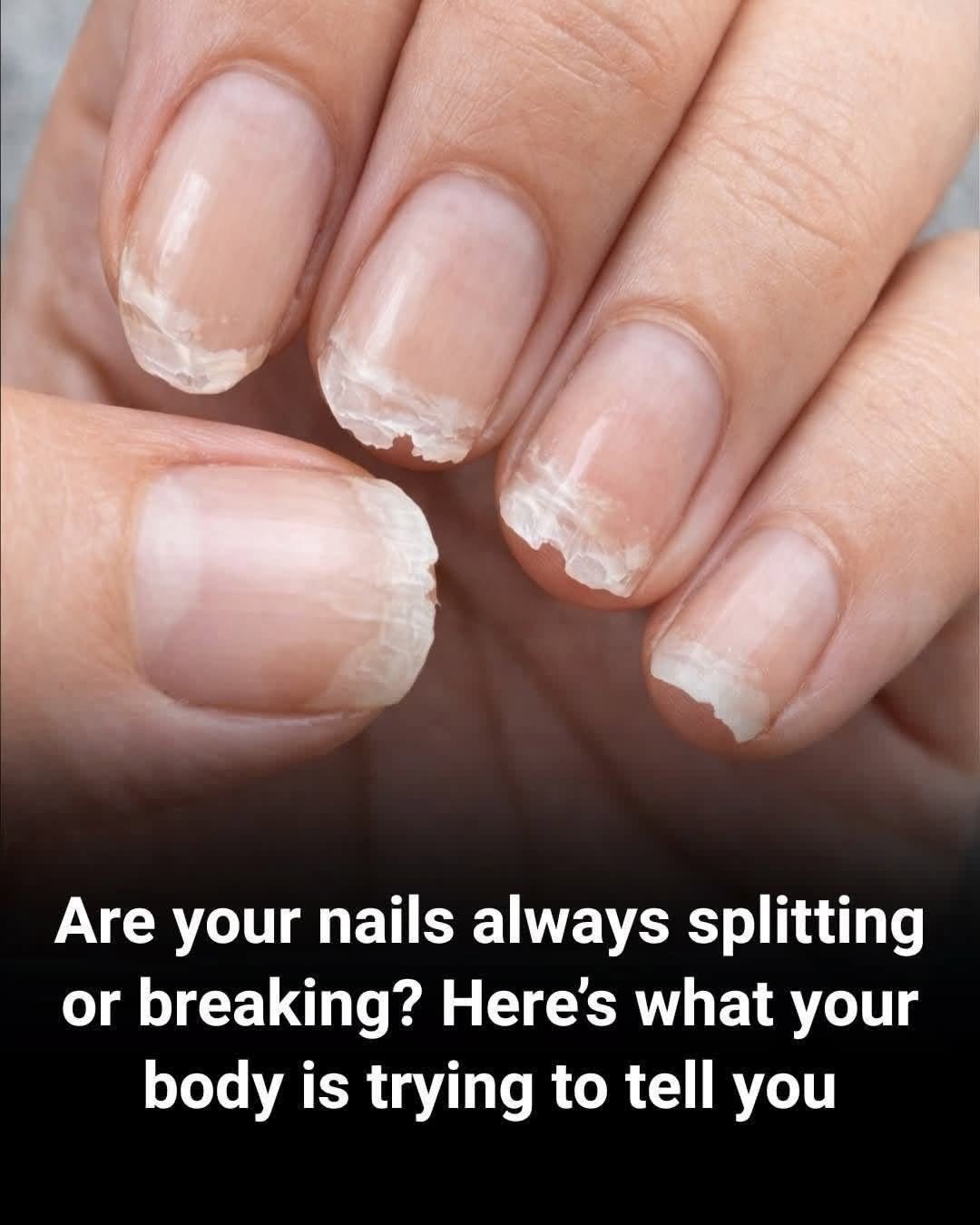
When sensationalized health articles warn that brittle, peeling, or weak fingernails are a sign of some mysterious impending doom, they are usually trying to sell you an expensive, unverified bottle of “hair, skin, and nails” biotin supplements.
The underlying medical reality is more straightforward: nails are made of layers of a hardened protein called keratin, and their strength, texture, and growth rate are heavily influenced by your daily habits, environmental exposures, and foundational nutrition. While rare systemic conditions can alter nail health, 90% of the time, weak nails are simply trying to tell you something about how they are being treated day-to-day.
An evidence-based look at what causes weak or brittle nails and how to genuinely strengthen them separates the marketing hype from physiological facts.
The Real Culprits Behind Weak, Brittle Nails
1. Excessive Moisture Cycling (The “Wet-Dry” Effect)
-
The Biology: Nails act somewhat like a dense sponge; they absorb water easily when wet and contract as they dry.
-
The Reality: Constantly washing your dishes without gloves, swimming frequently, or repeatedly washing your hands forces your nails through a continuous cycle of swelling and shrinking. This breaks down the delicate protein bonds holding the nail layers together, resulting in splitting, peeling, and brittleness (a condition dermatologists call brittle nail syndrome).
2. Harsh Chemical Exposure and Solvents
-
The Reality: Frequent exposure to household cleaning agents, harsh dish soaps, acetone-based nail polish removers, and even professional nail enhancement chemicals strips away the natural lipid and moisture barrier that keeps keratin flexible. Without that natural oil layer, nails become dry, brittle, and prone to snapping.
3. Nutritional Gaps (Iron and Protein)
-
The Myth vs. Reality: While social media loves to blame weak nails on a lack of random vitamins, true nutritional deficiencies are specific. Iron deficiency (with or without anemia) is the most common nutritional cause of nail changes—specifically leading to koilonychia (spoon-shaped or concave nails). Inadequate overall dietary protein can also impair your body’s ability to synthesize strong keratin.
4. Aging and Cellular Slowdown
-
The Reality: Just like your hair and skin, your nail matrix (the tissue underneath the cuticle where new nail cells are generated) slows down with age. As blood flow and cellular turnover decrease, nails naturally become thinner, drier, and prone to developing vertical ridges.
Evidence-Based Steps to Repair and Strengthen Your Nails
-
Wear Gloves for Wet Work: Slip on rubber or nitrile gloves whenever you wash dishes, clean with chemicals, or garden. Protecting your hands from water immersion and harsh detergents is the single most effective way to stop peeling nails.
-
Moisturize Your Cuticles and Nail Plates: Apply a heavy hand cream, lanolin, or pure squalane oil to your nails and cuticles multiple times a day—especially immediately after washing your hands while the skin is still slightly damp. Sealing in that moisture prevents splitting.
-
Ditch Acetone Removers: Switch to a non-acetone nail polish remover, which is significantly less drying to the keratin plate.
-
Keep Them Short and Shaped: While your nails are weak, keep them trimmed short with a gentle glass nail file (filed in one direction rather than sawing back and forth) to eliminate weak edges that easily catch and tear.
The Takeaway: Strengthening your nails isn’t about buying a magic pill; it’s about reducing moisture trauma and protecting your hands from harsh chemicals. Give your nails a little extra physical protection, and they will grow out stronger and more resilient.
