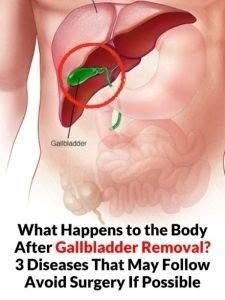
Gallbladder removal (cholecystectomy) is one of the most routinely performed surgeries worldwide, especially for symptomatic gallstones or severe acute inflammation (cholecystitis). While the gallbladder is not strictly vital for survival, removing it alters how your liver delivers bile to the digestive tract.
Understanding the physiological changes after surgery, potential downstream digestive conditions, and non-surgical approaches to preserve gallbladder health provides a clearer picture of your overall options.
What Happens to the Body After Gallbladder Removal?
The primary role of the gallbladder is to store and concentrate bile—a green-yellow fluid produced continuously by the liver to emulsify fats and absorb fat-soluble vitamins (A, D, E, and K).
When your gallbladder is removed:
-
Loss of Bile Storage: The liver continues to manufacture bile at the same rate, but there is no longer a reservoir to hold it. Instead of releasing a concentrated burst of bile when you eat a fatty meal, bile continuously trickles directly into the small intestine.
-
Digestive Mismatch: High-fat meals can overwhelm the un-concentrated, trickle-flow of bile, leading to incomplete fat breakdown, unabsorbed fatty acids, gas, bloating, and urgent loose stools.
-
Altered Gut Motility: Continuous bile flow accelerates intestinal transit time, often driving persistent diarrhea or cramping.
3 Conditions / Complications That May Follow Surgery
A collection of persistent or newly developing digestive issues after surgery is broadly referred to as Post-Cholecystectomy Syndrome (PCS). Three specific conditions that frequently develop or emerge after removal include:
1. Bile Acid Diarrhea (Biliary Malabsorption)
-
What Happens: Without a storage tank, excess bile salts pass unchecked into the colon, drawing extra water into the large intestine and irritating the intestinal lining.
-
Symptoms: Frequent, watery, or urgent diarrhea (especially after eating fatty or oily foods), abdominal cramping, and bloating.
-
Management: Doctors often prescribe bile acid sequestrants (like cholestyramine) to bind excess bile in the digestive tract.
2. Bile Reflux Gastritis
-
What Happens: Because bile flows continuously into the duodenum (the first part of the small intestine), it can occasionally flow backward through the pyloric valve into the stomach and esophagus.
-
Symptoms: Severe gnawing or burning upper abdominal pain, nausea, vomiting of greenish-yellow bile, and persistent heartburn that does not respond well to standard acid-blocking medications.
3. Sphincter of Oddi Dysfunction (SOD) or Biliary Strictures
-
What Happens: The Sphincter of Oddi is the muscular valve controlling the flow of bile and pancreatic juices into the small intestine. After surgery, spasms, functional dysmotility, or fibrotic scarring (strictures) of this valve can restrict fluid flow.
-
Symptoms: Recurrent episodes of severe upper right abdominal pain that feel almost identical to a original gallstone attack, sometimes accompanied by elevated liver or pancreatic enzymes.
Why Preserving Your Gallbladder Matters (If Possible)
While surgery is strictly necessary and life-saving in acute emergencies—such as severe gallbladder infection (empyema), gangrene, perforation, or a stone blocking the main bile duct—many mild or early cases of gallstones/biliary sludge can be managed conservatively under medical supervision.
If your condition is non-emergent (e.g., occasional mild indigestion or asymptomatic stones discovered on ultrasound), preserving your natural organ maintains optimal fat digestion, balanced nutrient absorption, and normal GI transit.
How to Support & Protect Gallbladder Function (Non-Surgical Management)
-
Dietary Adjustments:
-
Incorporate Soluble Fiber: Foods like oats, flaxseeds, psyllium, and legumes bind excess bile salts and support steady bowel movements.
-
Choose Healthy Fats: Swap heavy saturated and trans fats (fried foods, processed meats) for healthy unheated fats (olive oil, avocados) in moderate portions to stimulate smooth, regular bile emptying without overloading the system.
-
Avoid Crash Dieting: Rapid weight loss causes the liver to secrete extra cholesterol into bile, sharply increasing the risk of stone formation. Aim for gradual, steady weight management.
-
-
Medical Dissolution Therapy:
-
For non-calcified cholesterol gallstones, oral medications like ursodeoxycholic acid (Ursodiol) may be prescribed to gradually dissolve small stones over several months.
-
-
Hydration & Bitter Foods:
-
Staying well-hydrated keeps bile thin and fluid. Bitter greens (like arugula, dandelion, and radishes) help stimulate natural bile production and flow.
-
Note: Always consult a gastroenterologist or general surgeon before deciding on a treatment path. If you experience severe abdominal pain lasting over 2 hours, high fever, chills, or yellowing of the skin/eyes (jaundice), seek immediate emergency medical care.
