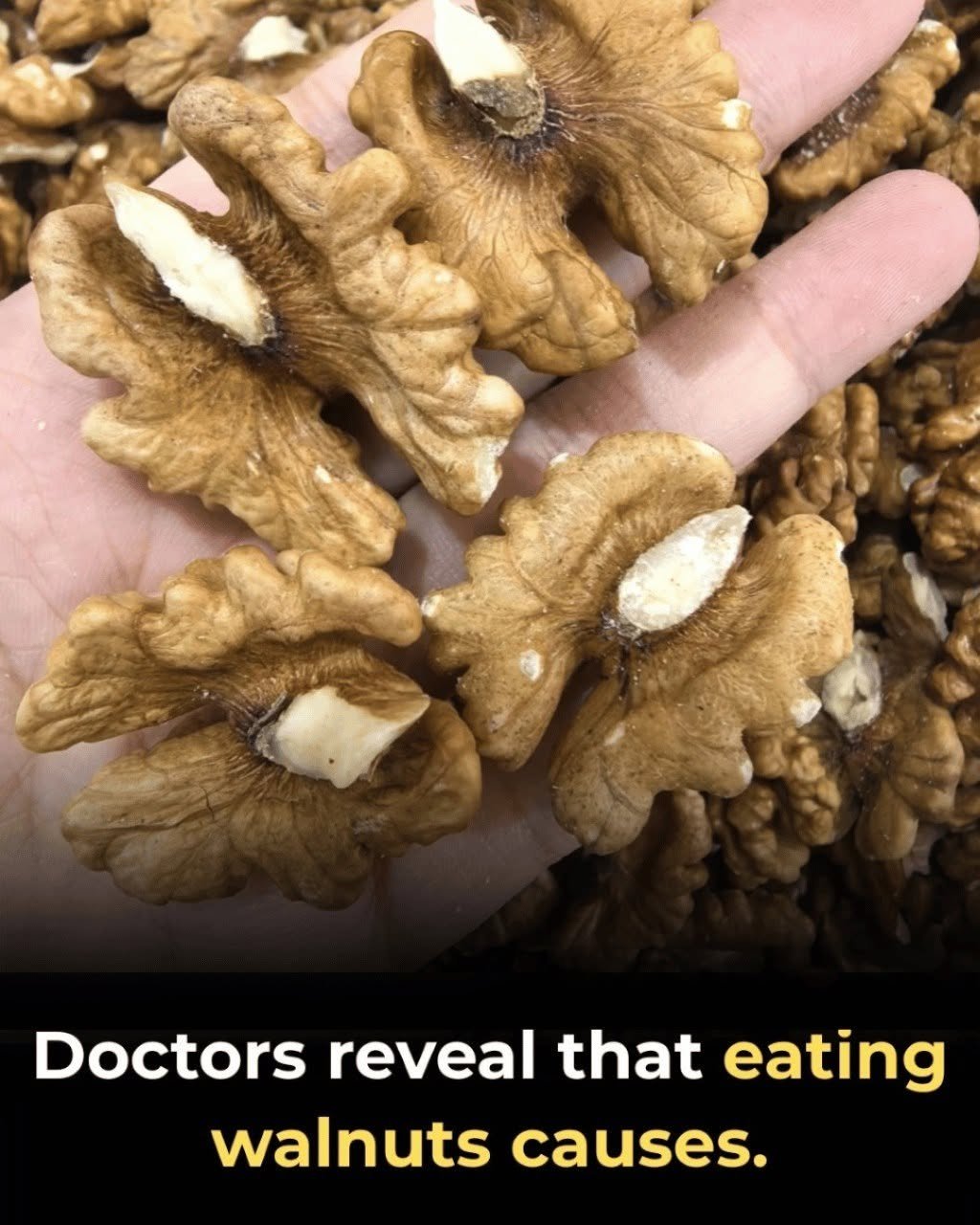
Incorporating a daily handful of walnuts (roughly 1 ounce or 7 shelled halves) into your routine is one of the most thoroughly researched dietary habits in nutritional science. Unlike typical internet wellness trends, the clinical benefits of daily walnut consumption are backed by decades of robust cardiovascular and cognitive studies.
What Happens to Your Body Over Time?
1. Improved Cholesterol and Heart Health
Walnuts stand out in the nut family because they are uniquely rich in alpha-linolenic acid (ALA), the plant-based omega-3 fatty acid.
-
The Clinical Effect: Eating walnuts daily helps lower LDL (“bad”) cholesterol and reduces total cholesterol without negatively affecting HDL (“good”) cholesterol. They also support endothelial function, meaning they help keep blood vessels flexible and responsive.
2. Enhanced Gut Microbiome Diversity
Recent clinical trials show that daily walnut intake acts as a powerful prebiotic.
-
The Clinical Effect: The fiber, polyphenols, and healthy fats in walnuts feed beneficial gut bacteria (such as Lactobacillus and Roseburia), which produce short-chain fatty acids that support gut lining integrity and metabolic health.
3. Better Blood Sugar and Metabolic Regulation
Despite being calorie-dense, incorporating walnuts into a regular diet does not typically lead to weight gain; instead, they promote satiety.
-
The Clinical Effect: Their combination of healthy fats, protein, and fiber slows down digestion, helping prevent sharp insulin spikes and supporting stable blood glucose levels.
4. Cognitive Support and Brain Health
There is a reason walnuts famously resemble tiny brains—anthropomorphic plant symbolism aside, the science matches the shape.
-
The Clinical Effect: Packed with powerful antioxidants, vitamin E, and polyphenols, daily walnut consumption helps reduce oxidative stress and inflammation in the brain, supporting memory retention and cognitive performance as we age.
The Nutritional Snapshot (Per 1-Ounce / 28g Serving)
| Nutrient | Amount | Clinical Role |
| Calories | ~185 kcal | Energy dense, but highly satiating |
| Omega-3 (ALA) | 2.5 g | Exceptional plant-based anti-inflammatory fat |
| Protein | 4 g | Supports muscle maintenance |
| Fiber | 2 g | Aids digestion and cholesterol binding |
| Magnesium | 45 mg | Supports nerve function and blood pressure regulation |
