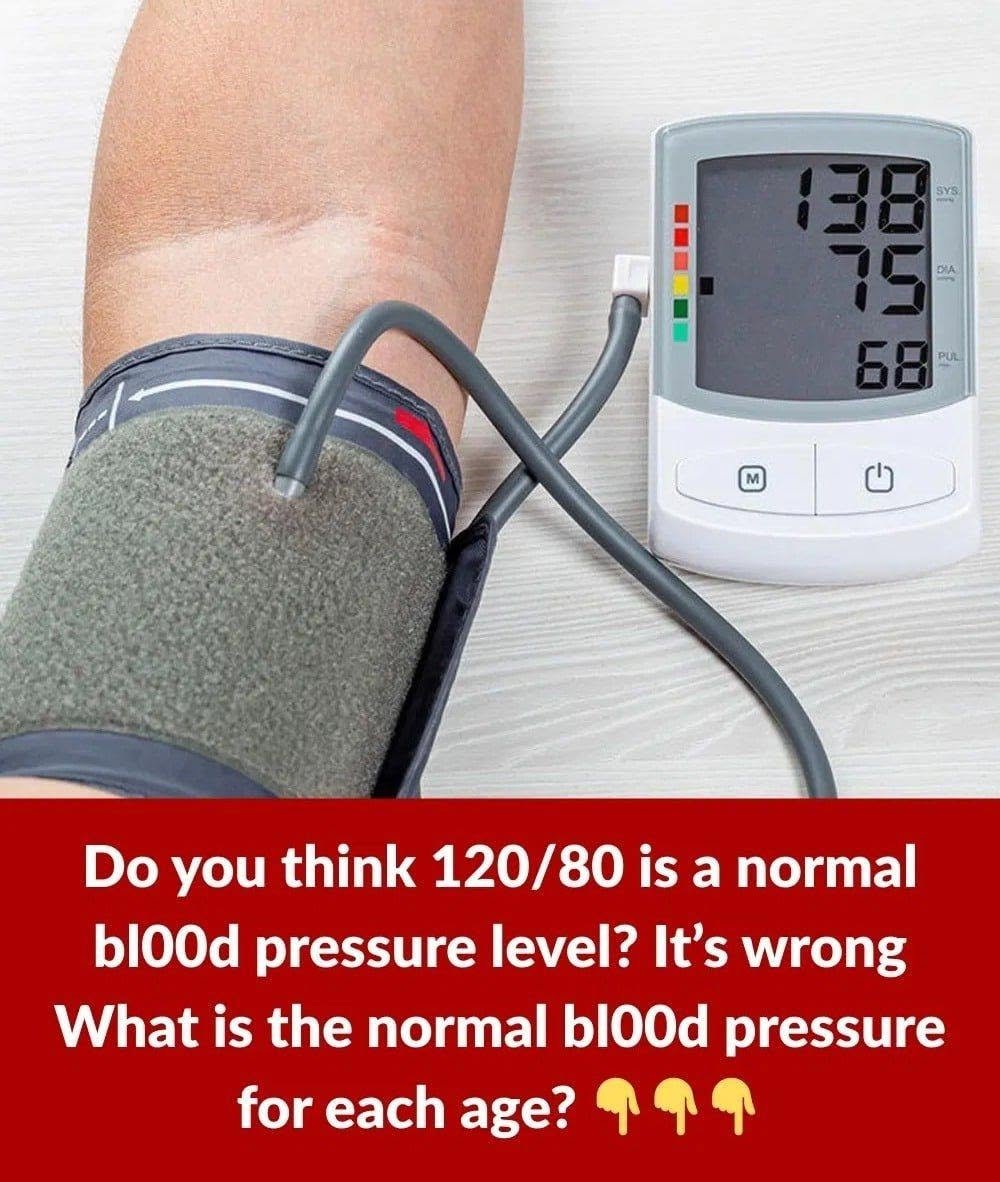
Blood pressure standards vary across different stages of life because blood vessels naturally undergo structural and elasticity changes as a person ages. What is considered normal for a teenager or young adult differs from what is standard for older adults.
The standard blood pressure categories and age-based guidelines outline what healthy ranges look like.
Understanding Blood Pressure Numbers
Blood pressure is measured using two numbers:
-
Systolic pressure (top number): Measures the pressure in your arteries when your heart beats.
-
Diastolic pressure (bottom number): Measures the pressure in your arteries when your heart rests between beats.
General Blood Pressure Categories (Adults)
For most adults, standard clinical guidelines define blood pressure ranges as follows:
-
Normal: Less than 120 / 80 mmHg
-
Elevated: 120–129 / less than 80 mmHg
-
Stage 1 Hypertension: 130–139 / 80–89 mmHg
-
Stage 2 Hypertension: 140 or higher / 90 mmHg or higher
Normal Blood Pressure Ranges by Age Group
1. Infants and Children (Ages 1 to 12)
Blood pressure in children is not based on a single fixed number; instead, pediatric standards are calculated based on the child’s age, height, and gender, because a taller or older child naturally has a larger circulatory system requiring slightly higher baseline pressure.
-
General range: Typically well below 110/70 mmHg, depending on developmental milestones. Pediatricians check these values against specific growth-chart percentiles during annual checkups.
2. Adolescents and Teenagers (Ages 13 to 18)
As youth approach physical maturity, blood pressure stabilizes closer to adult baselines.
-
Normal Range: Generally less than 120 / 80 mmHg. Readings consistently at or above 120/80 mmHg in teenagers are classified as elevated or early hypertension and warrant monitoring.
3. Young Adults and Adults (Ages 19 to 39)
-
Normal Range: Less than 120 / 80 mmHg.
-
Maintaining this range protects the cardiovascular system, kidneys, and brain from long-term strain. Lifestyle factors like diet, sodium intake, exercise, and stress management play a major role in keeping readings optimal during these decades.
4. Middle-Aged Adults (Ages 40 to 59)
-
Normal Range: Under 130 / 85 mmHg (though under 120/80 mmHg remains the optimal target).
-
As people enter middle age, blood vessels can naturally begin to lose some of their native elasticity, causing the top (systolic) number to creep up. Doctors closely monitor the systolic pressure during this life stage as a key indicator of cardiovascular health.
5. Older Adults (Ages 60 and Older)
-
Normal Range: For healthy older adults, a target of less than 130/80 mmHg is frequently recommended if well-tolerated. However, clinical guidelines often allow for slightly higher systolic readings (such as under 140/90 mmHg) depending on overall health status, history of falls, or concurrent medications.
-
The Widening Gap (Pulse Pressure): In older age, it is very common for the top (systolic) number to rise while the bottom (diastolic) number stays flat or even drops. This widening difference between the two numbers is due to arterial stiffening over time.
Key Takeaway for All Ages
Blood pressure naturally fluctuates throughout the day based on physical activity, stress, caffeine intake, and posture. A single high reading does not automatically mean a person has hypertension. Doctors diagnose high blood pressure only after observing consistently elevated readings across multiple separate evaluations.
