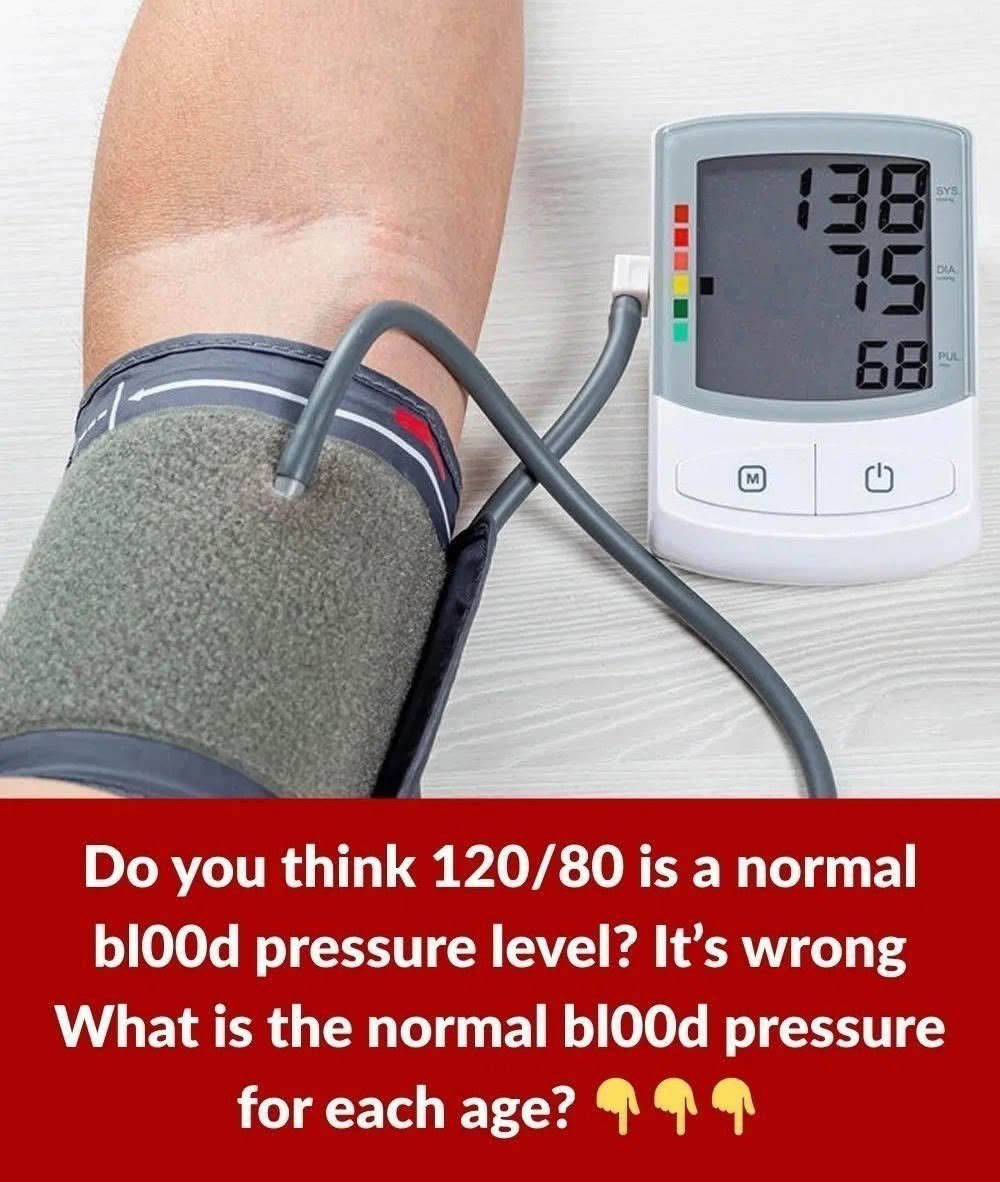
While medical guidelines state that the optimal and healthy target for adults of almost any age remains less than 120/80 mmHg, average blood pressure naturally shifts as cardiovascular tissues stiffen over time.
It is important to distinguish between what is clinically optimal versus the statistical averages seen across different decades of life.
Standard Blood Pressure Categories (AHA / ACC Guidelines)
-
Normal: Less than 120 / 80 mmHg
-
Elevated: 120–129 systolic AND less than 80 diastolic
-
Stage 1 Hypertension: 130–139 systolic OR 80–89 diastolic
-
Stage 2 Hypertension: 140+ systolic OR 90+ diastolic
Average Blood Pressure Ranges by Age Group
While readings tend to climb gradually with age due to arterial stiffening, a reading in the hypertensive range is not considered healthy or inevitable just because of age.
| Age Group | Average Systolic (Top Number) | Average Diastolic (Bottom Number) | Clinical Status / Target |
| Adolescents (13–18) | Under 120 mmHg | Under 80 mmHg | Optimal target is below 120/80. |
| Young Adults (18–39) | 115–120 mmHg | 75–80 mmHg | Optimal target is <120 / <80. |
| Middle Age (40–59) | 120–129 mmHg | 80–84 mmHg | Often creeps up; monitoring lifestyle factors is crucial here to prevent Stage 1 hypertension. |
| Older Adults (60+) | 130–134 mmHg | 85–87 mmHg | While averages are higher, doctors generally target <130/80 or <140/90 depending on individual health risks. |
Key Clinical Takeaways
-
The Top Number Matters Most (Systolic): As people age, arteries naturally lose elasticity, causing the systolic pressure (the force when the heart beats) to rise while diastolic pressure (the pressure between beats) often plateaus or drops. Isolated systolic hypertension is very common in older adults.
-
Context is Everything: A single high reading does not mean you have hypertension. Blood pressure fluctuates constantly based on stress, caffeine, physical activity, and posture. True diagnosis requires consistent readings taken while resting quietly.
