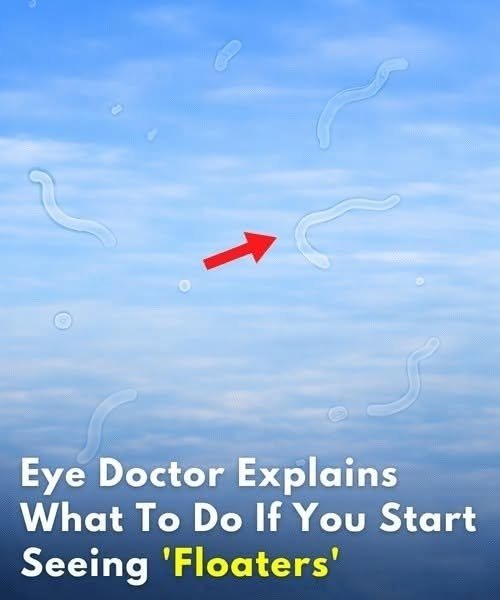
Noticing tiny dark specks, squiggly lines, or cobwebs drifting across your field of vision can be startling. When patients experience sudden eye floaters, ophthalmologists and optometrists offer reassuring guidance: while most floaters are a completely natural and harmless part of the eye’s aging process, certain warning signs require an immediate professional evaluation.
What Actually Causes Eye Floaters?
Inside your eye is a gel-like substance called the vitreous that helps the eye maintain its round shape.
-
The Aging Process: As we age, this gel naturally liquefies and shrinks, causing microscopic collagen fibers within the vitreous to clump together.
-
Shadows on the Retina: When light passes through your eye, these tiny clumps cast shadows onto your retina (the light-sensitive tissue at the back of the eye), which you perceive as floating spots or threads drifting across your vision.
Red Flags: When to See an Eye Doctor Immediately
While stable, occasional floaters are usually harmless, a sudden change in your vision can indicate a serious underlying issue, such as a posterior vitreous detachment (PVD), a retinal tear, or a retinal detachment.
Schedule an urgent dilated eye exam with an optometrist or ophthalmologist if you notice any of the following “red flag” symptoms:
-
A Sudden Onset: A brand-new shower of numerous floaters, spots, or tiny dots appearing all at once.
-
Flashes of Light: Seeing sudden flashes of light (like camera strobes or lightning streaks) in your peripheral vision.
-
The “Curtain” Effect: A dark shadow, grey curtain, or blurry veil sweeping across any part of your side or central field of vision.
What to Do If You Notice New Floaters
-
Do Not Panic: Most single, transparent floaters settle down over time or drift out of your direct line of sight as your brain naturally learns to ignore them.
-
Get a Dilated Exam: If floaters are sudden or accompanied by flashes, call an eye care specialist right away. Only a professional looking through a dilated pupil can safely examine your retina to ensure it is healthy and intact.
Have you or someone you know recently noticed changes in vision or scheduled a routine eye health check-up?
