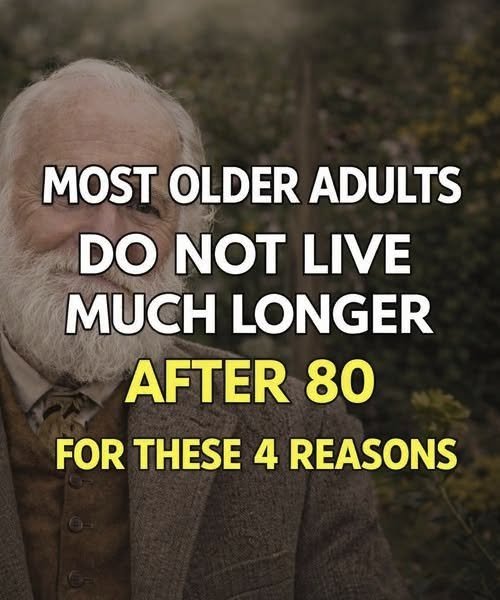
When sensationalized headlines and pessimistic wellness feeds post warnings like “Most older adults don’t live much past 80: Here are 4 reasons,” they rely on a fatalistic framing that profoundly misrepresents actuarial science and human biology.
In clinical and demographic reality, reaching age 80 is not a sudden cliff or an expiration date. Modern public health data shows that once an individual reaches age 80, their remaining life expectancy extends another 7 to 10+ years on average, with millions of older adults thriving well into their late 80s, 90s, and centenarian years.
What Clickbait Longevity Myths Get Wrong
-
The “Hard Stop” Fallacy: Clickbait treats average life expectancy at birth as a maximum ceiling rather than a statistical average pulled down by infant mortality, accidental deaths, and acute diseases across all age groups.
-
The “Inescapable Decline” Narrative: Sensationalized articles portray advanced age as an unmanageable downward spiral, ignoring the vast spectrum of biological resilience and functional health seen in older populations.
The Gerontological Reality: How Late-Life Health Actually Works
Geriatricians, epidemiologists, and longevity researchers evaluate survival past age 80 through the lens of functional reserve and homeostenosis—the body’s progressive narrowing of its ability to recover from physiological stress.
Rather than an arbitrary timeline dictated by age alone, longevity past 80 is governed by how well chronic conditions are managed, how robust a person’s physical and cognitive reserve remains, and how successfully they avoid acute system failures.
Reframing the Narrative: What Actually Drives Longevity Beyond 80
Instead of fatalistic clickbait “reasons” why people don’t live past 80, clinical science looks at the tangible, modifiable factors that dictate health span and survival in later decades:
-
Cardiovascular and Metabolic Stability:
-
The Clinical Factor: Long-term survival depends heavily on how well blood pressure, lipid profiles, and glycemic control have been managed over a lifetime. Unchecked chronic hypertension or type 2 diabetes gradually strains the vascular endothelium, increasing the risk of myocardial infarction or stroke. Consistent, proactive medical management blunts this risk.
-
-
Skeletal Muscle Preservation (Combating Sarcopenia):
-
The Clinical Factor: As people age, natural muscle mass and strength decline (sarcopenia). The real danger in advanced age isn’t just aging cells; it’s physical frailty. Loss of core strength and poor balance lead to falls, hip fractures, and subsequent immobility cascades, which carry high physiological risk. Regular resistance training and adequate protein intake directly counteract this.
-
-
Cognitive Resiliency and Neurological Health:
-
The Clinical Factor: Brain health and neuroplasticity play a massive role in late-life survival. Managing risk factors for vascular dementia, staying socially engaged, and maintaining a mentally stimulating lifestyle help preserve executive function, independence, and overall systemic health.
-
-
Coordinated Healthcare and Polypharmacy Management:
-
The Clinical Factor: Older adults often manage multiple prescriptions across different specialists. A critical determinant of health past 80 is coordinated geriatric care that actively reviews medications to prevent harmful drug interactions, adverse side effects, or dangerous drops in blood pressure.
-
The Bottom Line
Aging past 80 isn’t a lottery or a biological mystery—it is the cumulative result of genetics, long-term lifestyle choices, and proactive clinical care. Skip the fatalistic internet headlines, focus on preserving your physical strength, metabolic health, and mental engagement, and partner with your physician for personalized health planning.
