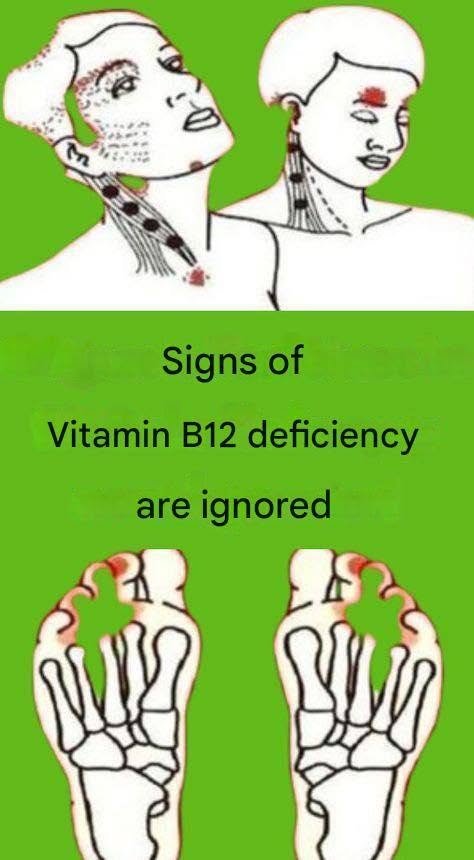
Vitamin B12 is an essential nutrient your body needs to produce red blood cells, maintain a healthy nervous system, and synthesize DNA. Because your body cannot manufacture B12 on its own, you must get it from your diet (found primarily in animal products like meat, fish, eggs, and dairy).
Yet, Vitamin B12 deficiency is remarkably common—particularly among older adults, vegetarians, vegans, and individuals taking certain medications (like acid-reflux drugs such as PPIs or diabetes medications like metformin).
The primary reason B12 deficiency is so frequently ignored or misdiagnosed is that its symptoms develop very gradually over months or years, and they often mimic signs of normal aging, stress, or general fatigue.
Why Early Signs Are Easily Dismissed
1. Subtle Fatigue and Weakness
-
What it feels like: Persistent tiredness that doesn’t go away with a good night’s sleep.
-
Why it’s ignored: In our fast-paced culture, chronic fatigue is almost universally blamed on stress, a busy work schedule, poor sleep, or simply “getting older.”
2. “Brain Fog,” Memory Lapses, and Mood Changes
-
What it feels like: Trouble concentrating, forgetfulness, mild confusion, or feeling unusually irritable, anxious, or low.
-
Why it’s ignored: People often attribute these cognitive shifts to aging, work burnout, or ordinary forgetfulness rather than a nutritional deficiency.
3. Tingling, Numbness, and Nerve Changes (Peripheral Neuropathy)
-
What it feels like: A “pins and needles” sensation in your fingers or toes, numbness, or a feeling of walking on cotton.
-
Why it’s ignored: Mild tingling is frequently dismissed as poor circulation, sleeping in an awkward position, or minor nerve compression. However, prolonged B12 deficiency can cause irreversible damage to the protective coating (myelin sheath) surrounding your nerves.
4. Balance Issues and Unsteadiness
-
What it feels like: Feeling slightly uncoordinated, stumbling more often, or having trouble maintaining balance in the dark.
-
Why it’s ignored: Often brushed off as clumsiness or inner-ear shifts, though it actually stems from the nervous system’s inability to properly coordinate sensory feedback from the limbs.
Other Less Common (But Telling) Signs
-
A Smooth, Sore, or Red Tongue (Glossitis): Your tongue may feel tender, swollen, or lose its normal bumpy texture (papillae), sometimes accompanied by mouth ulcers.
-
Pale or Jaundiced Skin: A lack of healthy red blood cells can give your skin a subtle yellowish tint or paleness.
-
Shortness of Breath or Dizziness: Feeling winded from mild physical exertion because your blood isn’t carrying enough oxygen.
Who is Most at Risk?
-
Adults over 50: Stomach acid production naturally declines with age, making it harder for the body to extract B12 from food.
-
Plant-Based Eaters: Vegans and strict vegetarians who do not consume fortified foods or supplements are at high risk, as B12 is almost exclusively found in animal tissues.
-
Digestive Disorders: Conditions like Celiac disease, Crohn’s disease, or gastric bypass surgery impair the gut’s ability to absorb nutrients.
When to See a Doctor
If you suspect you might be deficient, do not rush out to buy high-dose supplements before getting tested. Taking large amounts of certain vitamins can mask other deficiencies (like folate) or interfere with lab results.
A simple, routine blood test can check your serum B12 levels. If a deficiency is confirmed, your doctor can recommend dietary changes, oral supplements, or—in cases of severe absorption issues—B12 injections to restore your levels safely.
