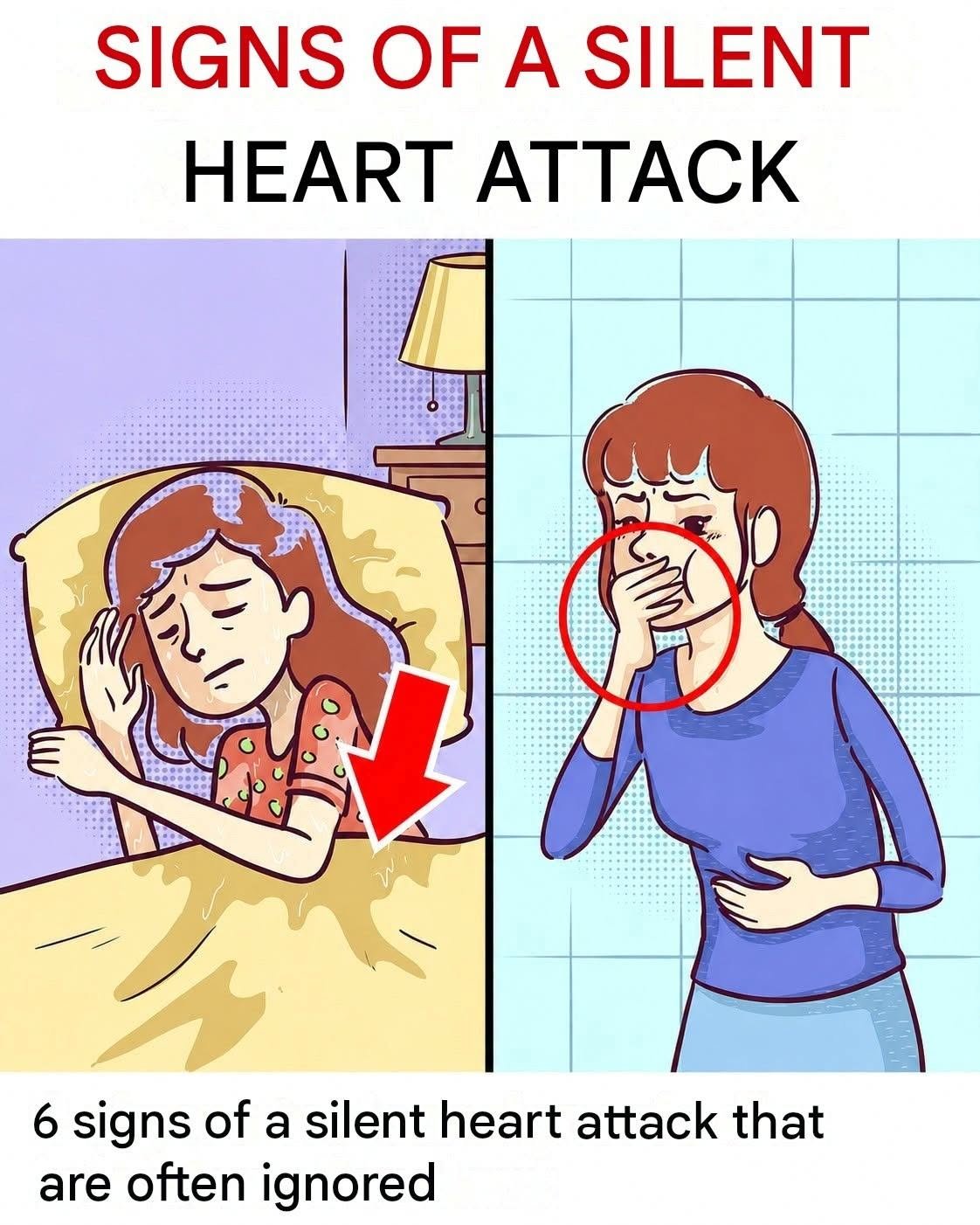
When sensationalized health clickbait warns about “6 still overlooked signs of a silent heart attack,” they are capitalizing on one of the most powerful triggers in medical anxiety: the fear that something catastrophic could be happening inside your body without you even noticing.
From a clinical cardiology and geriatric perspective, “silent heart attacks”—medically known as silent myocardial infarctions (SMIs)—are a real phenomenon. They account for a significant percentage of all heart attacks, meaning the heart muscle experiences a lack of blood flow and sustains damage without triggering the classic Hollywood chest-clushing pain. However, framing these signs as mysterious, hidden secrets ignores the actual physiological reasons why symptoms can be subtle or atypical, particularly in older adults, women, and individuals with diabetes.
The Reality Behind “Silent” Heart Attacks
Why do some heart attacks present with little to no classic chest pain, and how do cardiologists view them?
-
Atypical Symptom Presentation: While crushing chest pressure is common, many people—especially women, older adults, and individuals with diabetic neuropathy—experience heart ischemia differently. Their nervous systems may transmit cardiac distress as fatigue, shortness of breath, jaw discomfort, or indigestion rather than acute chest pain.
-
What “Silent” Actually Means: A silent heart attack isn’t entirely symptomless; rather, the symptoms are often so mild, vague, or short-lived that patients mistake them for everyday fatigue, muscle strain, acid reflux, or a touch of the flu and simply brush them off.
-
Detection After the Fact: Many silent heart attacks are discovered incidentally later on—often during an routine electrocardiogram (ECG) or echocardiogram performed for an entirely unrelated reason, revealing a past scar on the heart muscle (myocardial scar).
6 Subtle Signs That Are Often Misattributed
While these signs can stem from dozens of common, non-cardiac conditions (like arthritis, indigestion, or poor sleep), they are worth noting because they differ from traditional cardiac textbook descriptions:
-
Unexplained, Overwhelming Fatigue: Feeling suddenly wiped out by routine, everyday activities (like walking to the mailbox) that normally require little effort.
-
Vague Shortness of Breath: Experiencing breathlessness during mild exertion or while resting flat, often mistaken for deconditioning or seasonal allergies.
-
Upper Body Discomfort or Ache: A dull ache, tightness, or strange sensation radiating into the jaw, neck, upper back, or one or both arms (rather than central chest pain).
-
Sudden Indigestion, Nausea, or Heartburn: Persistent sour stomach or upper abdominal discomfort that doesn’t respond to antacids, sometimes accompanied by a cold sweat.
-
Lightheadedness or Sudden Dizziness: A brief, unexplained spell of unsteadiness or feeling faint due to a temporary dip in cardiac output and blood pressure.
-
Unexplained Anxiety or a “Sense of Impending Doom”: An acute, visceral feeling of sudden unease or nervousness that lacks an obvious situational trigger.
Evidence-Based Ways to Protect Your Cardiovascular Health
-
Know Your Personal Risk Profile: Age, family history, high blood pressure, high cholesterol, diabetes, and smoking are the primary drivers of cardiovascular disease. Managing these risk factors is your best defense.
-
Never Ignore Persistent, New Symptoms: If you experience unusual fatigue, shortness of breath, or discomfort that is new for you and doesn’t resolve with rest, don’t guess—schedule a prompt evaluation with your primary care physician or cardiologist.
-
When to Seek Emergency Care: If symptoms like sudden shortness of breath, chest pressure, cold sweats, or dizziness come on abruptly or are severe, do not wait or second-guess—call emergency services immediately.
