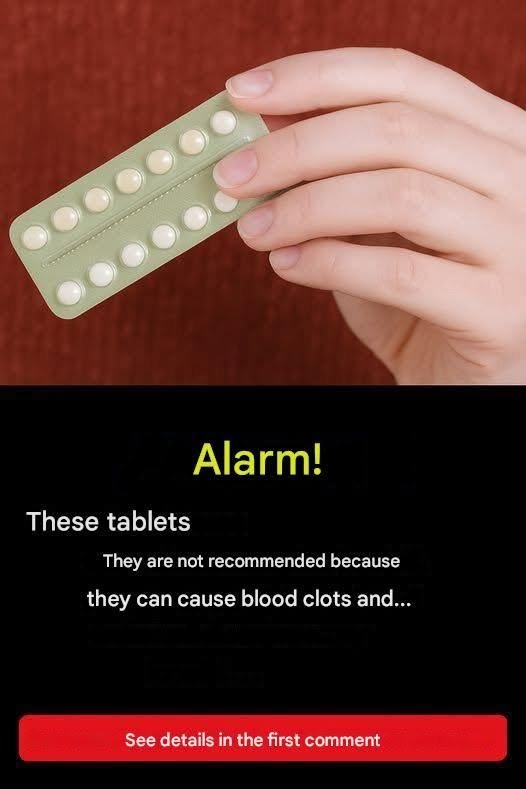
When sensationalized health clickbait flashes a red-alert “WARNING! These pills are not recommended because they can cause blood clots and…” followed by a dramatic ellipsis, they are purposefully weaponizing fear and medical anxiety. These alarmist hooks are designed to make you panic about everyday medications, birth control, or common supplements, tricking you into clicking a sensationalized page that often promotes expensive, unverified “natural” alternatives.
From a clinical pharmacology and medical perspective, while certain medications—most notably combined hormonal contraceptives (birth control pills) and hormone replacement therapy (HRT)—carry a known, well-documented risk of venous thromboembolism (blood clots), this risk is carefully weighed against individual patient factors, medical history, and benefits by healthcare professionals. Blanket warnings without context cause unnecessary panic.
The Reality Behind Medication Risks and Blood Clots
Why do certain pills carry warnings about blood clots, and how do clinicians approach these risks?
-
The Mechanism of Hormonal Risk: Estrogen-containing medications can slightly alter the body’s clotting factors, making the blood more prone to coagulation. For individuals with certain risk factors (such as smoking, older age, immobility, or genetic clotting disorders like Factor V Leiden), this increased risk becomes much more significant.
-
Risk vs. Benefit Analysis: In medicine, almost every effective treatment carries potential side effects. A physician evaluates a patient’s personal and family medical history before prescribing medications, ensuring the benefits vastly outweigh the statistical risks.
-
The Danger of Unverified “Natural” Swaps: Fear-mongering articles often use these legitimate warnings to scare readers away from doctor-prescribed medications so they will buy unregulated herbal supplements online. Unlike prescription drugs, supplements do not undergo rigorous clinical trials for safety and efficacy.
Evidence-Based Ways to Navigate Medication Safety
If you or a loved one are taking prescription medications or have concerns about potential side effects like blood clots, clinical guidelines emphasize open communication and personalized care:
-
Review Medications with Your Doctor or Pharmacist: Never stop taking a prescribed medication based on an internet headline. Always consult your healthcare provider or a licensed pharmacist, who can review your complete medication list and health profile.
-
Know Your Risk Factors: Be transparent with your doctor about your lifestyle, family history of blood clots, smoking status, and upcoming surgeries or long periods of travel, as these can compound risk factors.
-
Recognize Warning Signs: If you take medications associated with clotting risks, familiarize yourself with the clinical signs of deep vein thrombosis (DVT) or pulmonary embolism—such as sudden swelling, pain, or redness in one leg, or unexplained shortness of breath and chest pain—and seek immediate medical care if they occur.
