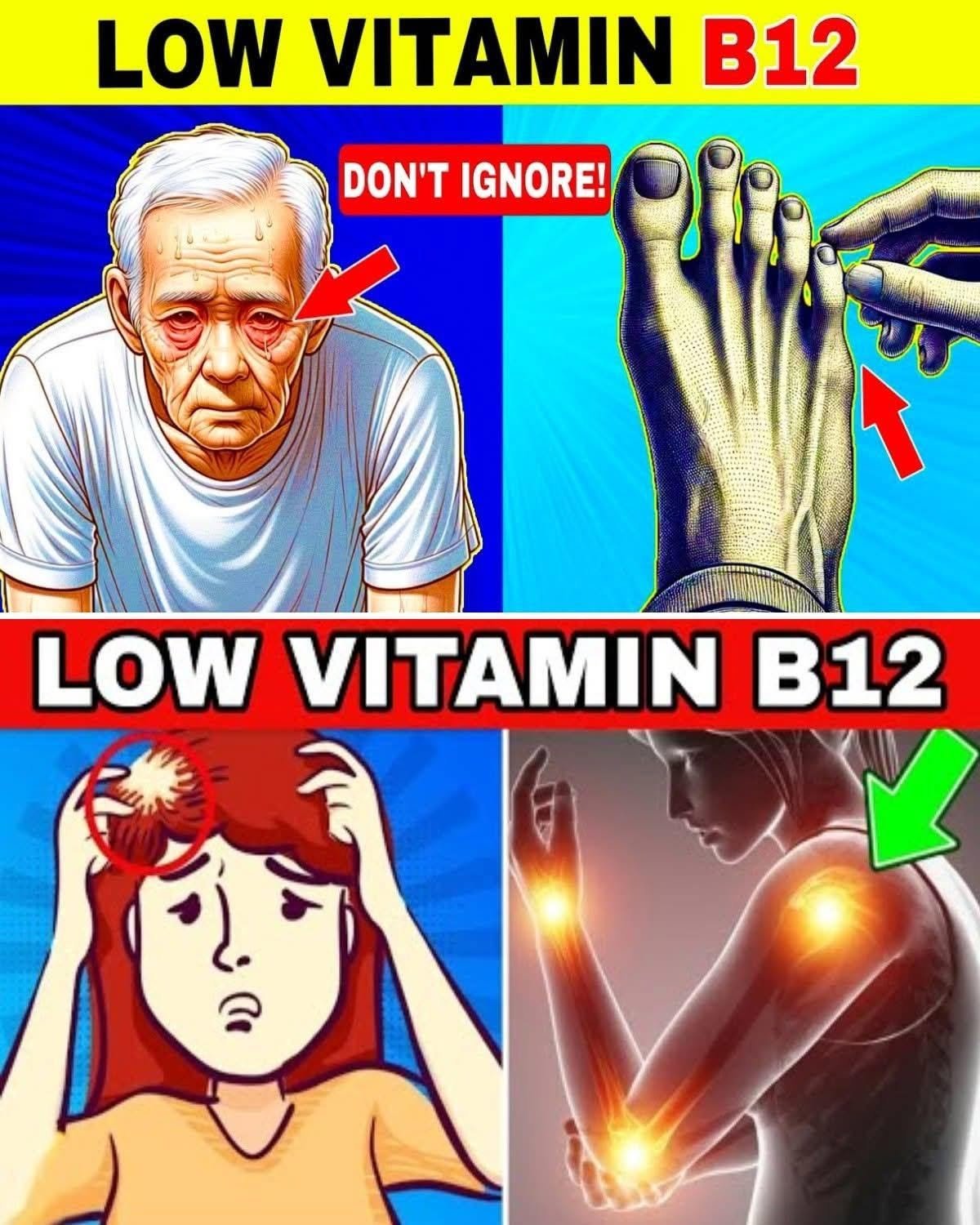
When wellness headlines highlight the “hidden signs” of a Vitamin B12 deficiency, they are often dramatizing symptoms that can overlap with many other health conditions. However, primary care physicians and geriatricians pay close attention to B12 status because this essential nutrient dictates nerve signaling, red blood cell production, and cognitive vitality.
Why Vitamin B12 Depletion Happens
Vitamin B12 (cobalamin) is found primarily in animal-derived foods (meat, poultry, fish, eggs, and dairy) as well as fortified products. As we age, our stomachs naturally produce less gastric acid and intrinsic factor—a specialized protein required to absorb B12 effectively. Additionally, common medications such as long-term acid-reflux drugs (proton pump inhibitors) or diabetes medications (metformin) can gradually impair absorption.
9 Subtle Signs to Discuss with Your Healthcare Provider
While a definitive diagnosis requires a simple blood test, clinicians watch for these patterns when evaluating potential B12 deficiency:
-
Persistent, Unrelenting Fatigue: Feeling profoundly exhausted even after a full night’s sleep, often stemming from megaloblastic anemia (where the body lacks enough healthy red blood cells to deliver oxygen efficiently).
-
Numbness or Tingling (“Pins and Needles”): A prickling sensation in the fingers, hands, or feet caused by the gradual breakdown of the protective myelin sheath surrounding your peripheral nerves.
-
Brain Fog and Cognitive Slips: Noticeable mental sluggishness, difficulty concentrating, or uncharacteristic short-term memory lapses.
-
Unsteady Balance and Gait Shifts: Feeling slightly off-balance or clumsy when walking, which occurs when lower-limb nerve signaling is altered.
-
A Smooth, Sore Tongue (Glossitis): A tongue that appears unusually red, swollen, or smooth because the tiny taste bud papillae have worn down.
-
Pale or Mildly Jaundiced Skin: A faint yellowish tint to the skin resulting from the premature breakdown of fragile, poorly formed red blood cells.
-
Unexplained Mood Shifts or Irritability: Heightened irritability, low mood, or anxiety, as B12 is crucial for synthesizing neurotransmitters like serotonin and dopamine.
-
Shortness of Breath or Lightheadedness: Becoming easily winded or dizzy with mild physical exertion due to reduced oxygen transport throughout the bloodstream.
-
Digestive Tract Sensitivities: Occasional bloating, mild nausea, or shifts in appetite linked to how B12 affects the cellular lining of the gastrointestinal tract.
Safe Steps Forward
-
Request Routine Lab Work: If you experience ongoing fatigue, neurological tinglings, or cognitive changes, ask your physician to check your serum B12 levels along with a complete blood count (CBC).
-
Targeted Supplementation: If a deficiency is identified, your doctor can recommend the appropriate oral supplement dosage or, in cases of severe malabsorption, routine B12 injections.
-
Prioritize Whole-Food Sources: Incorporate lean meats, fish, eggs, and fortified options into your balanced meal planning.
Are you monitoring your vitamin levels or routine wellness labs with your doctor, or exploring ways to optimize your daily nutrition?
